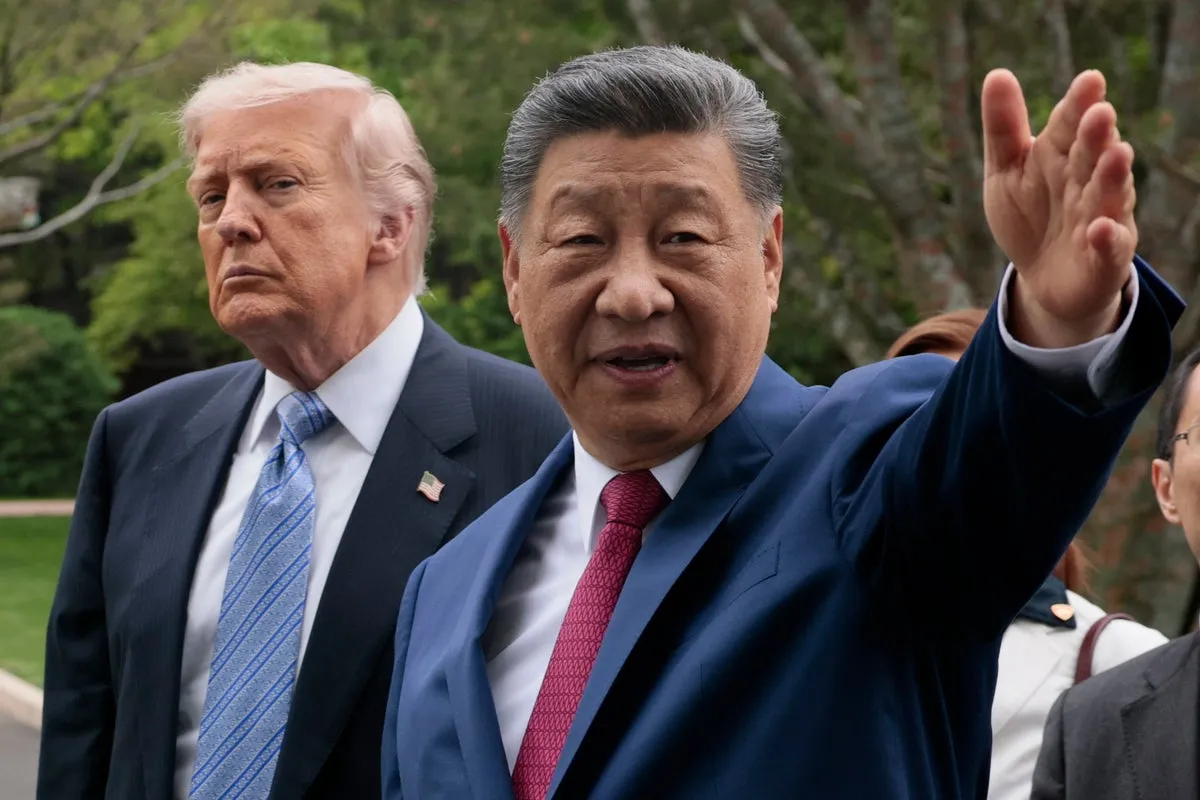
If you thought geopolitics couldn't get any more nerve-wracking, buckle up - because a sweeping new assessment from the International Institute for Strategic Studies (IISS) is here to ruin your Tuesday. The study warns that a conflict over Taiwan could push the United States and China dangerously close to a nuclear crisis, and that the world is teetering on the edge of a brand-new nuclear arms race.
So what exactly is the IISS saying?
The IISS - one of the most respected defence and security think tanks on the planet - has flagged that tensions in the Taiwan Strait represent one of the most plausible flashpoints that could escalate into nuclear brinkmanship between Washington and Beijing. The report, according to The Independent, frames this not as distant science fiction but as a credible near-term risk that policymakers genuinely need to take seriously.
The assessment also points to a broader, deeply uncomfortable trend: the world is approaching what the IISS characterises as a new nuclear arms race. Multiple major powers are modernising and expanding their nuclear arsenals simultaneously, which - as any student of Cold War history will tell you - is the kind of dynamic that doesn't typically end with everyone going home for a nice cup of tea.
China's nuclear build-up is a big part of the story
China has been significantly expanding its nuclear capabilities in recent years. The Pentagon has previously estimated that Beijing could have upwards of 1,000 nuclear warheads by 2030 - a dramatic increase from its historically modest arsenal. Combine that trajectory with the simmering dispute over Taiwan, continued US arms sales to the island, and you have a recipe for what strategists politely call "strategic instability."
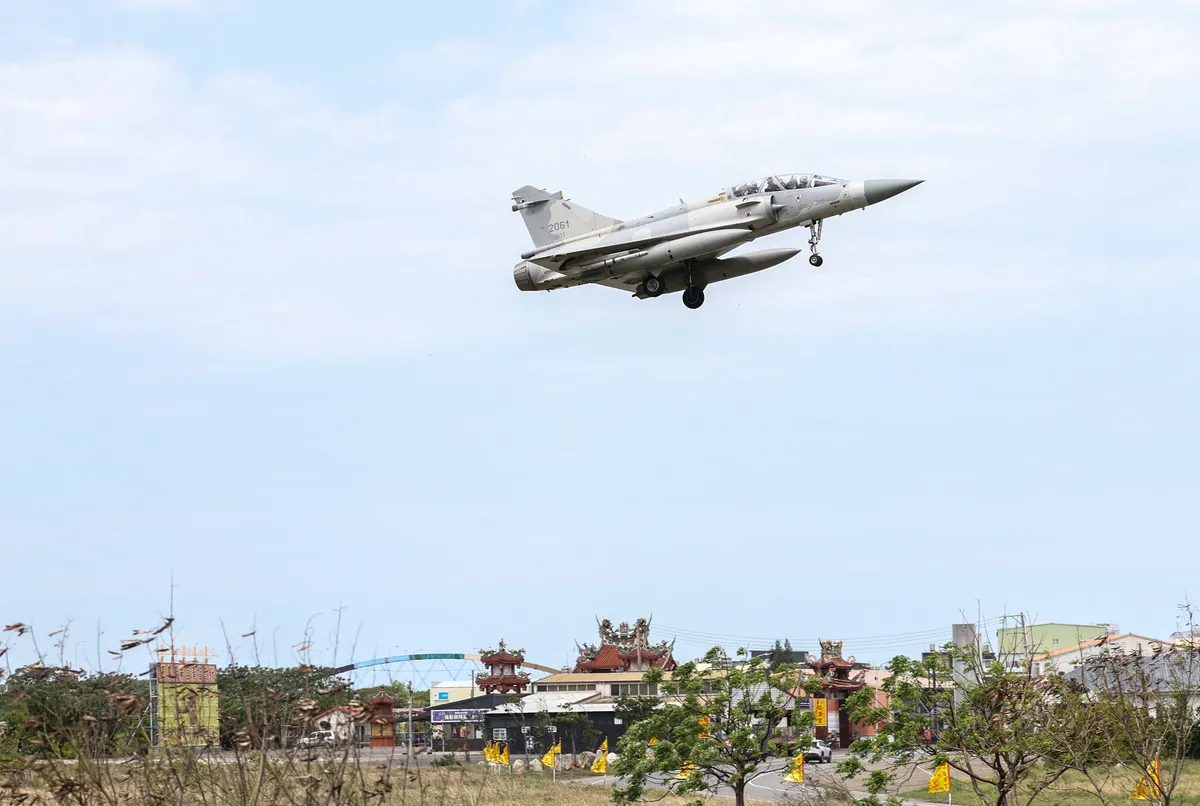
The IISS study essentially argues that the old frameworks for managing nuclear risk - arms control treaties, communication hotlines, diplomatic norms - are fraying at precisely the moment they're needed most.
Why Taiwan? Why now?
Taiwan sits at the intersection of competing red lines. Beijing considers the island a core territorial issue and has never renounced the use of force to achieve reunification. Washington, while not formally recognising Taiwanese independence, continues to supply arms and maintains a policy of "strategic ambiguity" over whether it would directly intervene militarily. That ambiguity - once considered clever - is increasingly looking like a very high-stakes poker game where everyone at the table has nuclear cards in their hand.
The IISS report lands as a sobering reminder that the scariest geopolitical risks aren't always the loudest ones. Sometimes they're the slow-building, quietly escalating kind - right up until they aren't quiet at all.