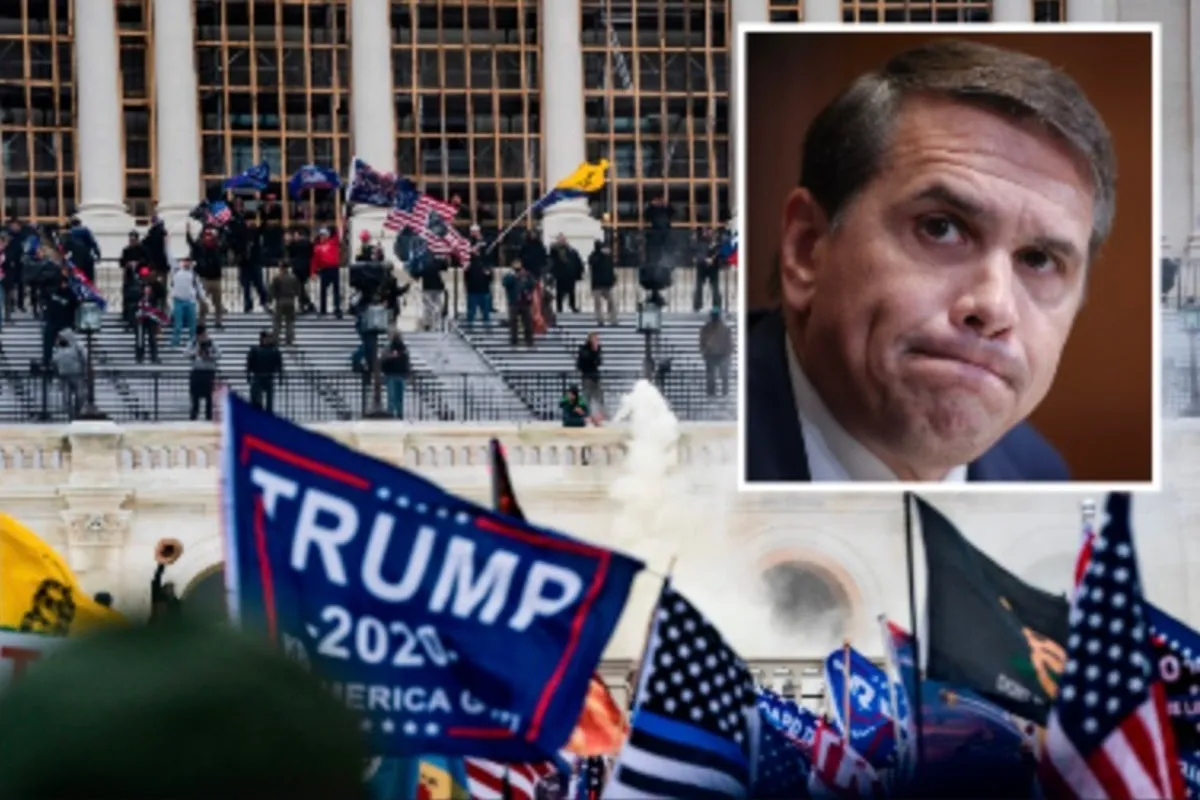
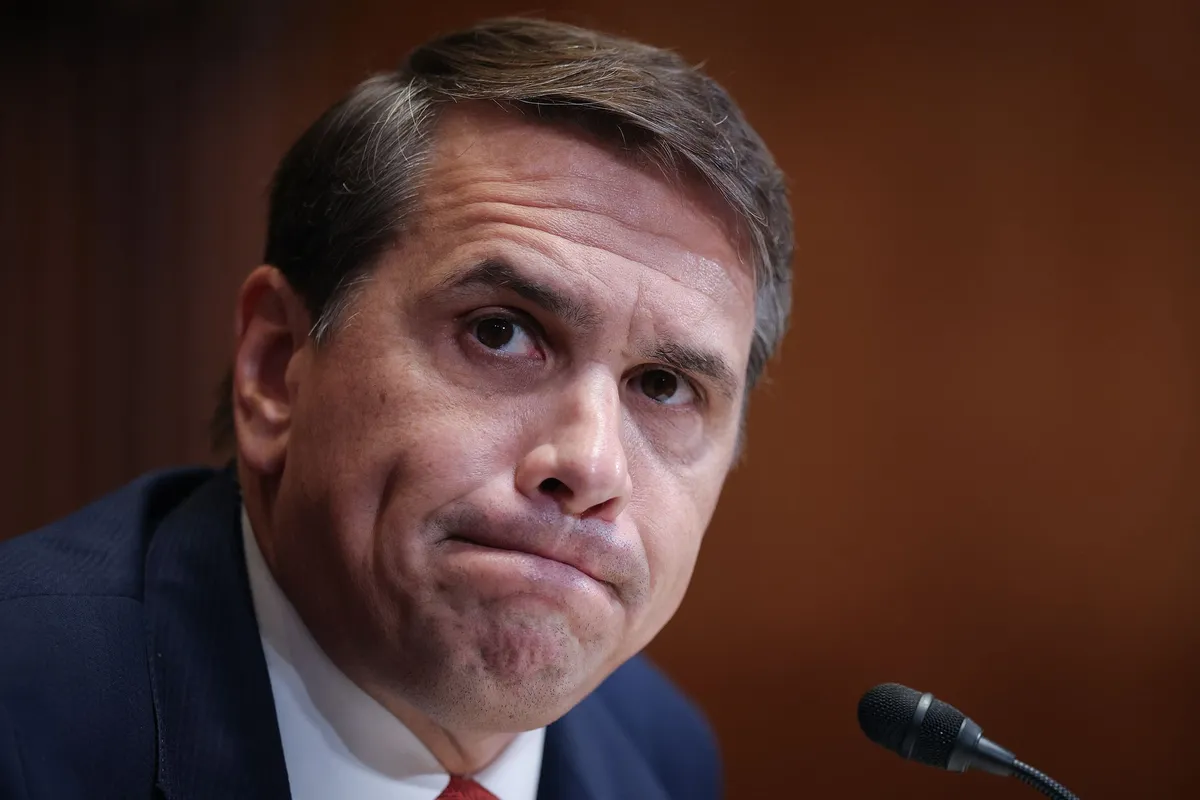
In what may go down as the most audaciously calm press moment of the year, acting Attorney General Todd Blanche stepped in front of cameras to defend a $1.8 billion fund that could end up sending multi-million dollar checks to January 6th Capitol rioters - some of whom assaulted police officers - and his defense essentially boiled down to: "yeah, so what?"
The fund, the fury, and the legal logic
According to reporting by The Independent, the Trump administration has established what critics are calling a "slush fund" worth $1.8 billion that could be used to settle civil rights claims - including those filed by January 6th defendants. This has caused the predictable eruption of outrage from Democrats and civil liberties watchdogs alike, who are furious at the prospect of taxpayer money flowing to people convicted of storming the United States Capitol.
Blanche's response to the controversy was, to put it charitably, bold. "Just to be clear, people that hurt police get money all the time," he said, according to The Independent. He's not technically wrong - civil settlements involving police misconduct claims flow in both directions in the American legal system - but as a defense of a politically charged billion-dollar fund, it has the energy of a man explaining a fender bender by pointing out that car crashes happen every day.
Who could actually benefit?
The concern from critics is straightforward: some January 6th participants who were convicted of assaulting law enforcement officers could potentially file civil rights claims arguing their prosecutions or treatment was politically motivated. If those claims are settled using this fund, it means American taxpayers would be footing the bill for payouts to people who attacked the very officers Blanche just acknowledged get hurt "all the time."
The irony is dense enough to chew on.
The political math here is... something
For an administration that has loudly championed law enforcement, the optics of potentially rewarding rioters who beat police officers with taxpayer-funded settlements is, to put it mildly, a tough sell. Blanche's matter-of-fact delivery suggests the White House either doesn't see the contradiction, or has decided it simply doesn't care about it.
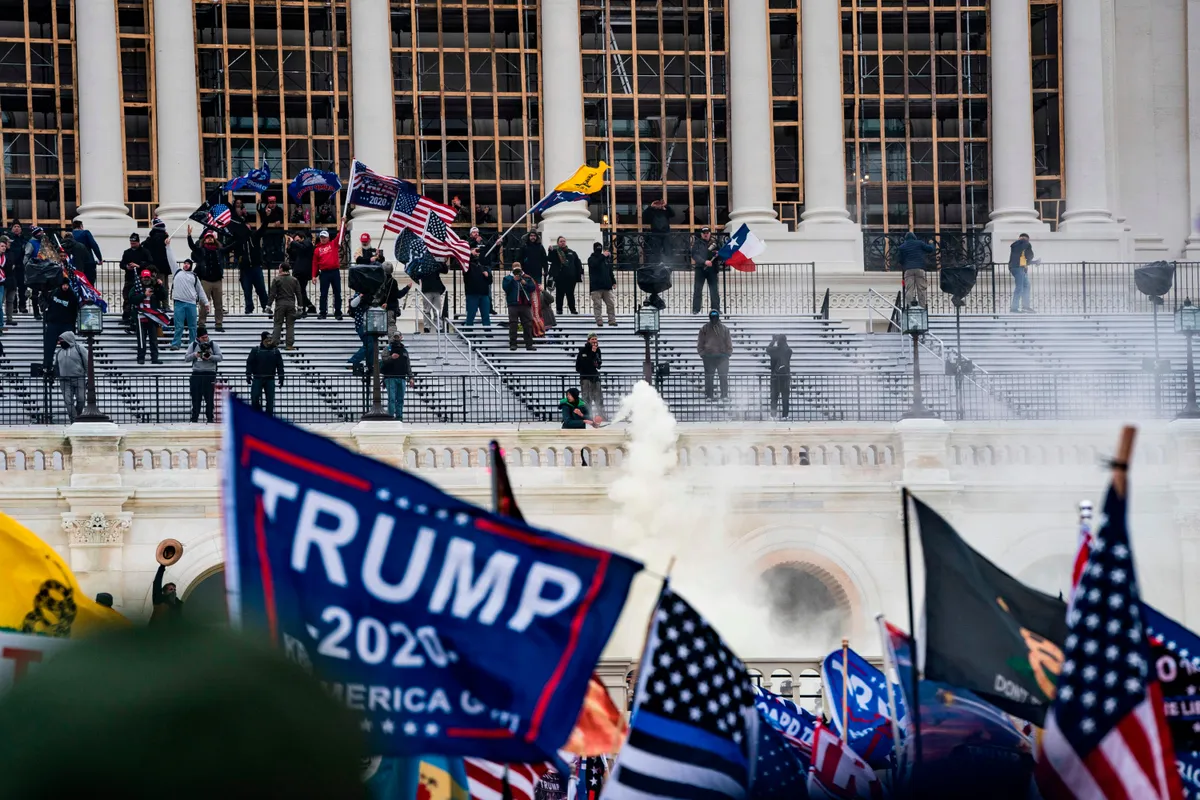
Congress and watchdog groups are expected to push for greater transparency over how the fund is administered and who qualifies for payouts. Until then, the $1.8 billion sits there, doing what slush funds do best - generating maximum political heat with minimum public clarity.
Stay tuned, because this one is almost certainly not over.