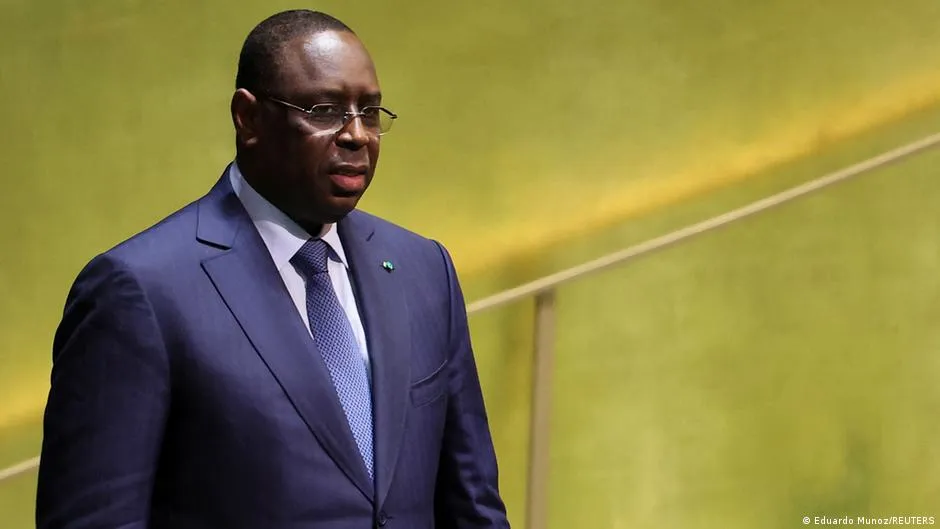
In what might be described as a spectacular own goal, Africa - the continent that would arguably benefit most from having one of its own lead the United Nations - has failed to rally behind a single candidate for the top job. The candidate in question? Former Senegalese president Macky Sall, who was nominated by Burundi and promptly watched the whole thing unravel at the African Union level, according to Deutsche Welle.
So what actually happened?
Burundi put Sall's name forward, clearly expecting the African Union to rubber-stamp it with continental enthusiasm. Instead, the AU process descended into procedural disputes, political objections, and the kind of regional squabbling that makes you wonder if anyone actually wants the job to go to Africa at all.
The African Union's endorsement process - which requires broad consensus among its 55 member states - reportedly fractured along regional and political lines. Some member states raised objections, while disputes over how the AU was even handling the nomination process added further complications. The result: no united African endorsement, which significantly weakens Sall's candidacy on the global stage.
Why does this matter beyond the drama?
The UN secretary-general position is currently held by Antonio Guterres, whose second term ends in 2026. Many observers and African leaders have argued for years that it is past time the role went to someone from the Global South - and specifically Africa, which has never held the position despite being home to 54 of the UN's 193 member states.
That makes this internal fracture more than just embarrassing. A divided Africa hands veto-wielding Security Council members - namely the United States, United Kingdom, France, Russia and China - exactly the excuse they might need to look elsewhere when the time comes to select the next chief.
The Sall factor
Sall himself is not without controversy on the continent. His presidency in Senegal ended amid significant political turbulence, with critics pointing to his government's handling of opposition figures and delayed elections. Whether those factors directly influenced AU member states' reluctance to rally behind him is not entirely clear from the current reporting, but regional politics rarely operate in a vacuum.
What is clear, according to DW's reporting, is that without a unified African position, the bid faces a much steeper climb. The continent had a real shot at presenting a united front for a historic candidacy. Instead, it handed the world a lesson in how not to run a diplomatic nomination campaign.
Africa: 55 countries, one job opening, zero consensus. Someone call a meeting.