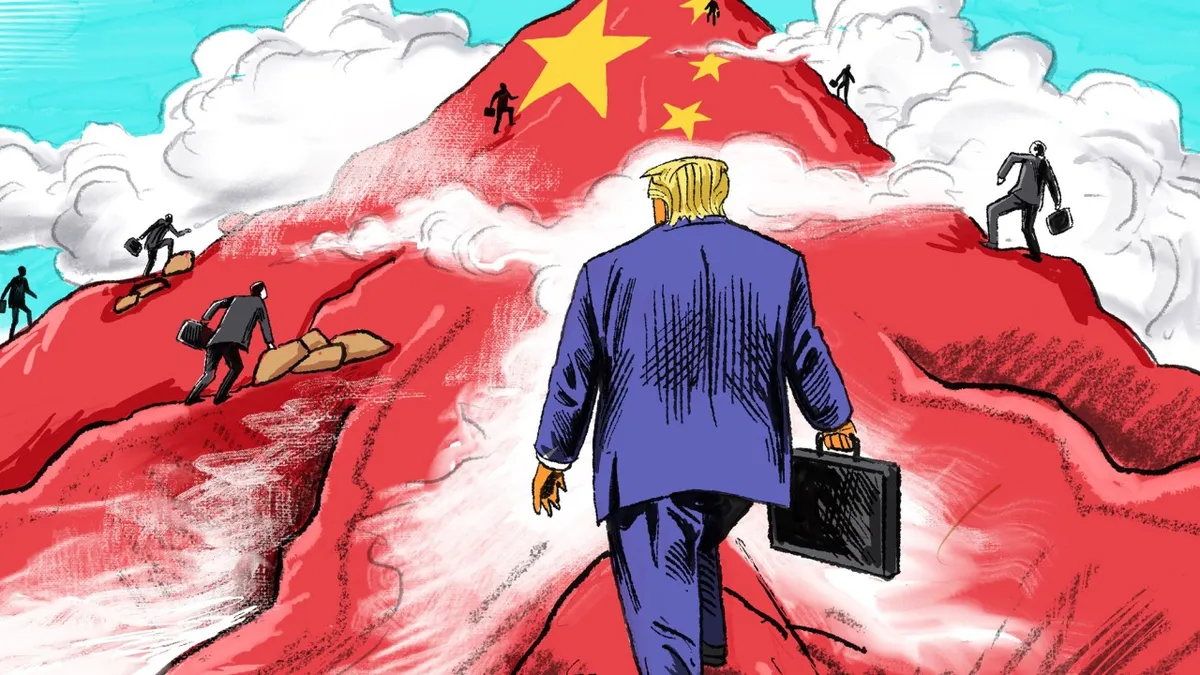
If you ever needed proof that the global power map is being redrawn in real time, look no further than this: Donald Trump and Vladimir Putin both trekked to Beijing within days of each other. Not a NATO summit. Not Washington. Beijing.
According to an analysis published by the South China Morning Post, Putin's visit to China last week resulted in the signing of around 40 documents and a joint statement doubling down on the Beijing-Moscow partnership. Coming just days after Trump's own Beijing trip, the timing is anything but accidental. As the piece argues, this is diplomacy sending a very loud message.
The triangle nobody asked for but everyone has to deal with
Forget the old postcard image of a US-led world order. What's emerging, according to the SCMP analysis, is something messier and arguably more interesting - a fluid power triangle between China, the United States, and Russia, with Beijing increasingly planted at the center of it all.
This isn't your grandfather's Cold War with two rigid blocs staring each other down. It's more like a group chat where everyone is talking to everyone else, nobody fully trusts anyone, and China is the one with admin privileges.
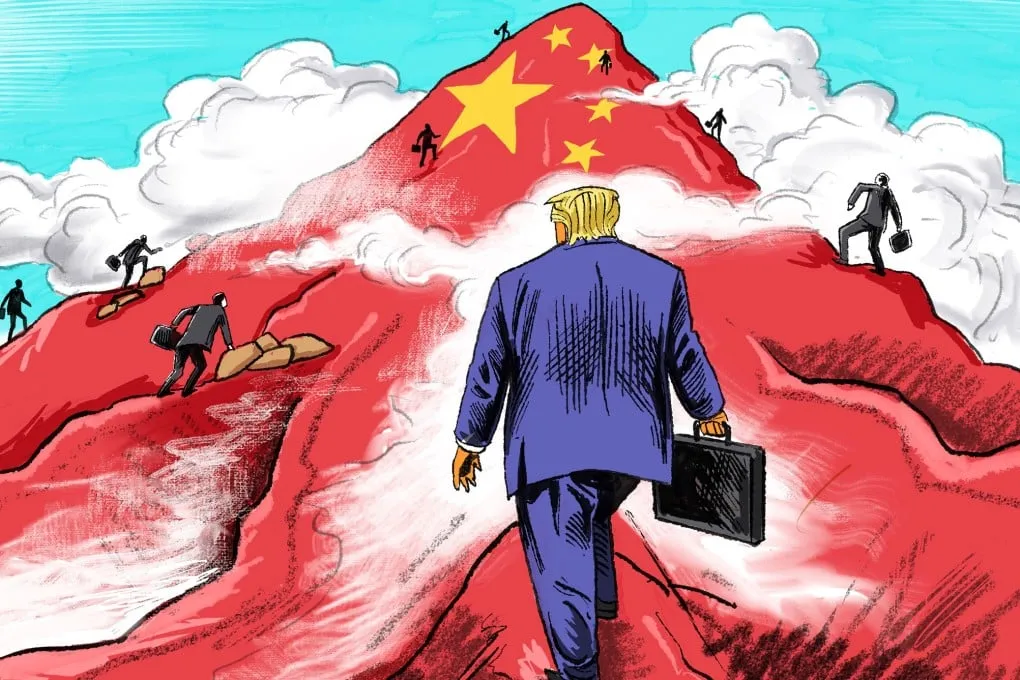
Timing is diplomacy (apparently)
The SCMP piece makes a sharp observation: in international relations, when you show up matters just as much as what you say when you get there. Two of the world's most powerful leaders visiting the same capital within the same window is a signal - whether intentional or not - that Beijing has become the indispensable stop on the global diplomatic circuit.
For China, this is a remarkable position to be sitting in. It's simultaneously managing economic tensions with the US while deepening its strategic partnership with Russia, all without formally picking a side in the various conflicts and disputes reshaping the international order.
So what does this actually mean?
It means the global order is being shaped less by formal alliances - your NATOs, your G7s - and more by transactional, bilateral relationships where every country is running its own calculation. China, in this setup, benefits enormously from being courted by both Washington and Moscow rather than being forced to choose between them.
Whether this represents a durable new world order or just a particularly chaotic diplomatic season remains to be seen. But one thing is increasingly hard to argue with: if you want to matter in 2025, you probably need Beijing's number saved in your contacts.