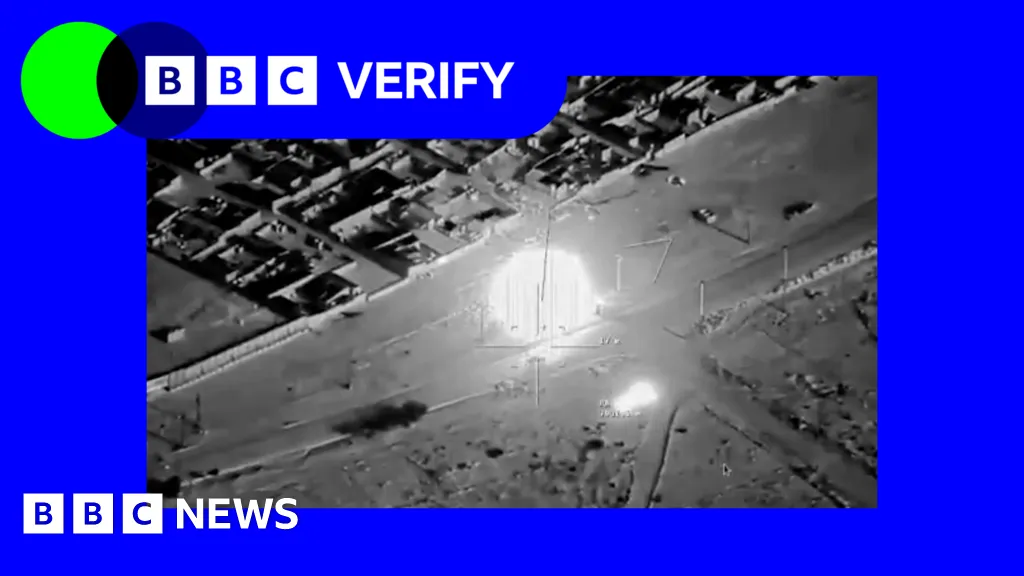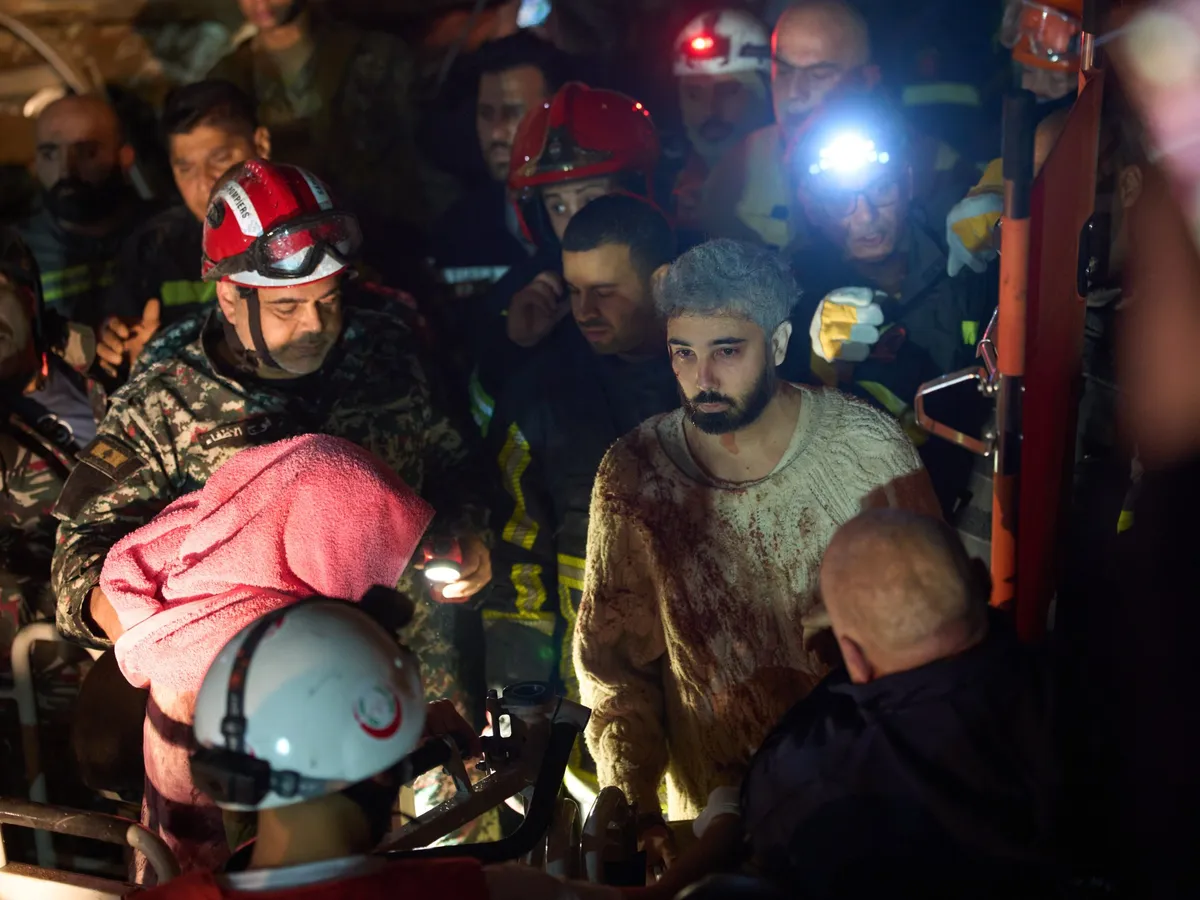
Israel has long maintained that its military operations in Lebanon are laser-focused on Hezbollah infrastructure and personnel. But a growing body of expert analysis is poking serious holes in that narrative, particularly regarding the strikes carried out on what has come to be known as Lebanon's 'Black Wednesday'.
According to a report by Al Jazeera published on April 30, 2026, independent researchers and weapons experts are pushing back hard against the Israeli military's characterization of who exactly was hit during that deadly day of strikes. The Israeli military (IDF) claims it targeted Hezbollah operatives and assets. The evidence, according to these experts, tells a very different story.
What the experts are saying
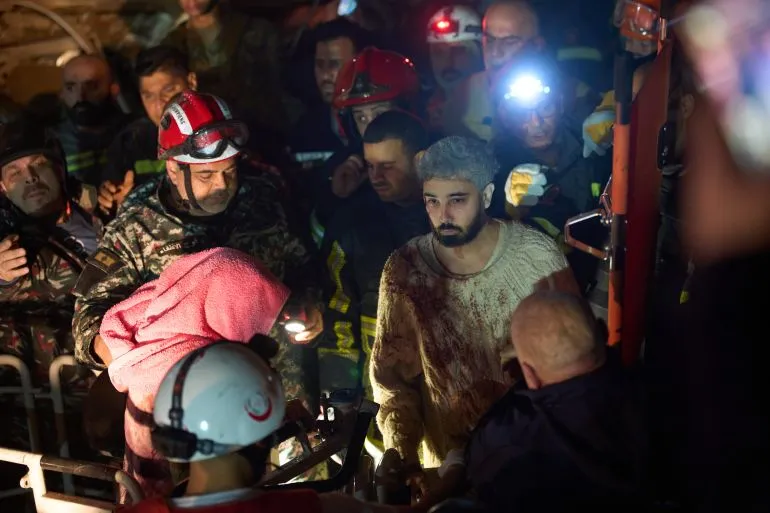
Analysts cited by Al Jazeera argue that the pattern of destruction, the locations struck, and the profile of the victims do not line up with a precision counter-terrorism operation. Instead, the evidence they reviewed points toward civilian areas and civilian casualties bearing the overwhelming burden of those attacks.
It is worth noting that this is a contested claim. Israel disputes this characterization, and the fog of war in Lebanon has made independent verification extremely difficult. However, the growing chorus of expert voices refusing to simply take the IDF at its word is becoming harder to ignore.
Why this matters beyond the headlines
This is not just a he-said-she-said dispute between two sides in an active conflict. Under international humanitarian law, the principle of distinction - the requirement to distinguish between combatants and civilians at all times - is one of the most fundamental rules of armed conflict. If experts are correct that civilian areas were systematically struck under the cover of counter-terrorism justifications, that raises serious questions about legal accountability.
Lebanon has already endured devastating rounds of conflict, and its civilian population has repeatedly found itself caught between Hezbollah's military activities and Israeli military responses. 'Black Wednesday' appears to have added another grim chapter to that history.
The bigger picture
Al Jazeera's report is part of a broader pattern of investigative scrutiny being applied to Israeli military operations in Lebanon and Gaza. Journalists, human rights organizations, and independent weapons trackers have increasingly invested in forensic analysis of strike sites, munitions fragments, and casualty data to independently assess military claims.
The IDF's consistent position that its operations are targeted and proportionate continues to be challenged by this evidence-based scrutiny - a challenge that is unlikely to go away anytime soon.
For now, the label 'Black Wednesday' is doing a lot of heavy lifting as shorthand for a day that Lebanon will remember, and that the rest of the world is still trying to fully understand.