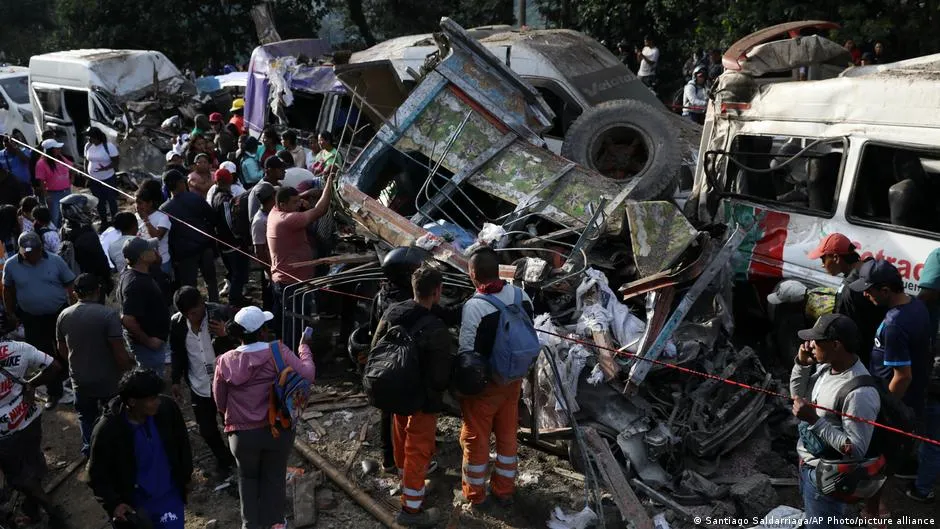
A bombing on the Pan-American Highway in southwest Colombia has killed at least 14 people, according to reporting by Deutsche Welle. Suspected guerrilla fighters are believed to be responsible for the explosives attack, which struck one of the country's most strategically important road corridors.
The attack is the latest in a series of violent incidents that have gripped the region over recent days, pointing to a deteriorating security situation in an area long contested by armed groups.
A region under pressure
Southwest Colombia has historically been a hotspot for activity by illegal armed groups, including guerrilla organizations and criminal networks involved in drug trafficking. The Pan-American Highway, which runs through the region and connects much of South America, is both an economic lifeline and a flashpoint for conflict.
Attacks on roads and infrastructure have been a recurring tactic used by armed groups to assert territorial control, disrupt government authority, and exert pressure on civilian populations.
Broader context of Colombian conflict
Colombia has been engaged in a long-running internal armed conflict involving multiple factions, including dissident factions of the former FARC guerrilla movement, the ELN (National Liberation Army), and various paramilitary groups. Despite a 2016 peace agreement between the Colombian government and the main FARC bloc, violence has continued in many rural areas as splinter groups and rival organizations compete for territory and illicit revenue.
The Colombian government under President Gustavo Petro has pursued a policy of "total peace," seeking negotiated settlements with various armed groups. However, ceasefires and dialogue processes have faced repeated setbacks, and violence in rural departments has continued to claim civilian lives.
No group had claimed responsibility for the highway bombing at the time of reporting, according to Deutsche Welle. Colombian authorities have not yet issued a detailed public statement on the identities of the victims or the specific circumstances of the attack.
Impact on civilians
Attacks on major highways carry significant humanitarian consequences beyond the immediate death toll. Road closures disrupt the movement of food, medical supplies, and emergency services to remote communities that already face limited access to public infrastructure. In southwest Colombia, many rural populations depend heavily on highway connectivity for their basic needs.
The attack underscores the persistent challenge facing Colombian authorities as they attempt to restore security in regions where state presence remains limited and armed groups continue to operate with relative impunity.