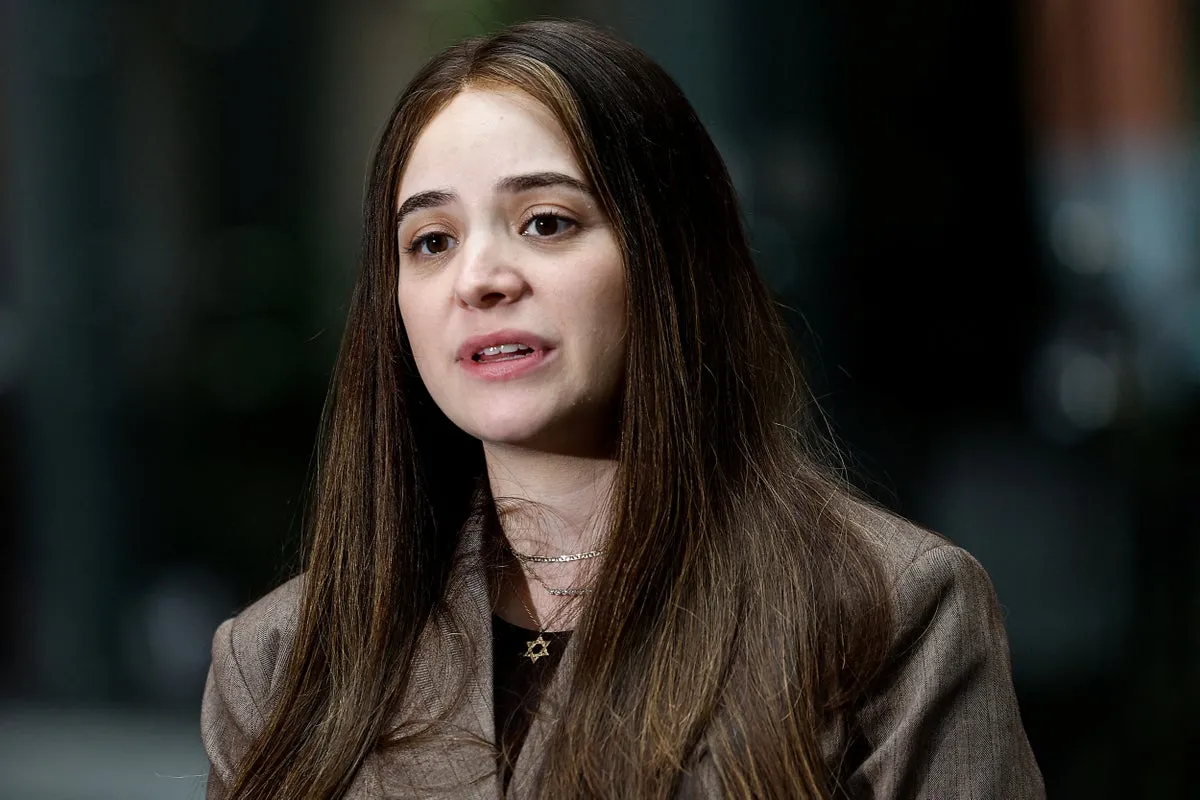
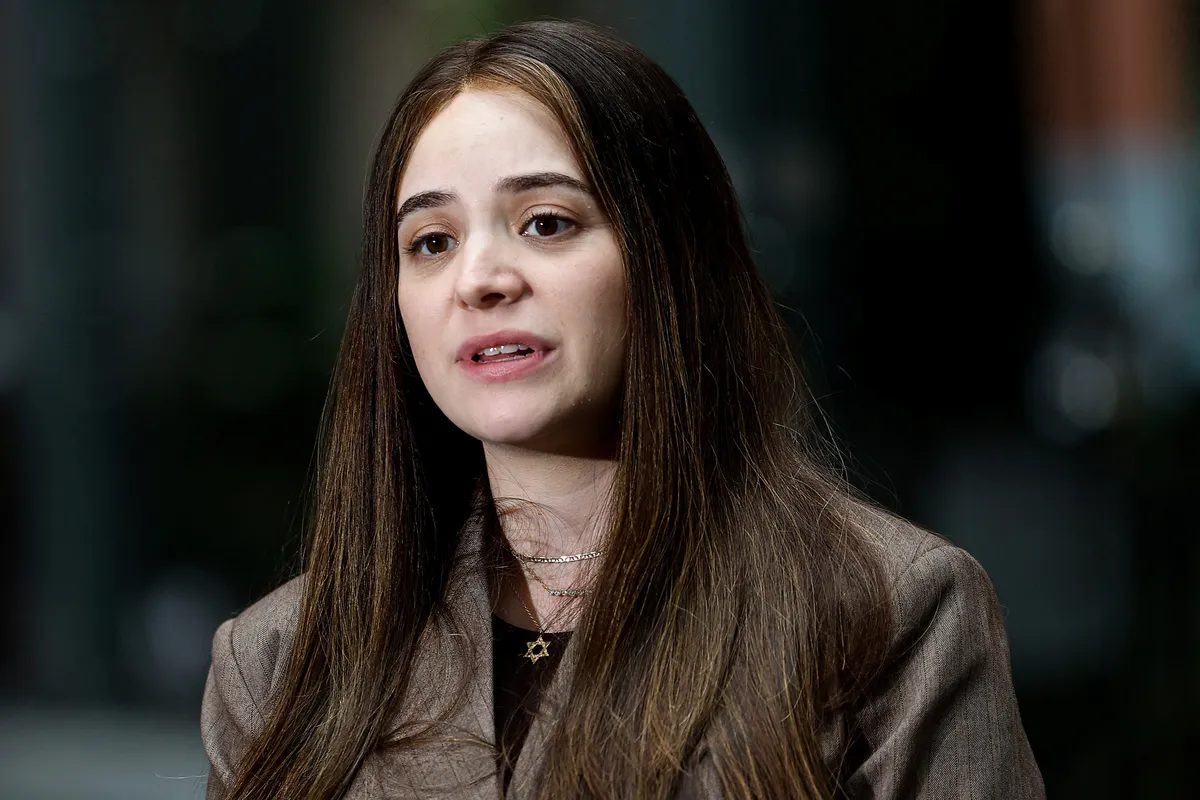
If losing your father to a mass shooting wasn't traumatic enough, imagine then being bombarded with antisemitic hate because of it. That is the reality facing the daughter of one of the victims killed in the April 2024 Bondi Beach shopping centre attack, who has spoken out at a public inquiry into the tragedy.
According to reporting by The Independent, the woman - whose father was among the six people killed when a lone attacker went on a rampage through Westfield Bondi Junction - told the hearing that the aftermath of the shooting felt like a turning point for public bigotry in Australia. She described feeling as though "antisemitism was allowed to come into the open" following the attack.
Grief with a side of hate mail
The timing of the attack - just months after the October 7, 2023 Hamas assault on Israel and amid the ongoing conflict in Gaza - created a toxic atmosphere in which some online commentators apparently felt emboldened to target Jewish victims and their families. The woman's testimony paints a disturbing picture of how geopolitical tensions thousands of kilometres away can be weaponised to harass people who are already at their most vulnerable.
The Bondi Beach attack itself was carried out by Joel Cauchi, a 40-year-old man from Queensland with a history of mental illness. Authorities have stated there was no ideological or terrorist motive behind the stabbing spree. Six people were killed and several others were injured before Cauchi was shot dead by police officer Amy Scott, who was widely praised for her response.
A community still processing the fallout
The public inquiry, which is examining the circumstances of the attack and the emergency response, has provided a platform for survivors and victims' families to share their experiences - including the secondary trauma of online harassment.
The daughter's testimony is a sobering reminder that the damage from events like these ripples far beyond the immediate physical violence. For Jewish members of the community, that ripple apparently carried with it something uglier: the sense that tragedy had become an excuse for discrimination.
The inquiry is ongoing, and further testimony from affected families and first responders is expected in the coming weeks. The full findings are anticipated to inform future policy on emergency response and community support for victims.
Sources: The Independent