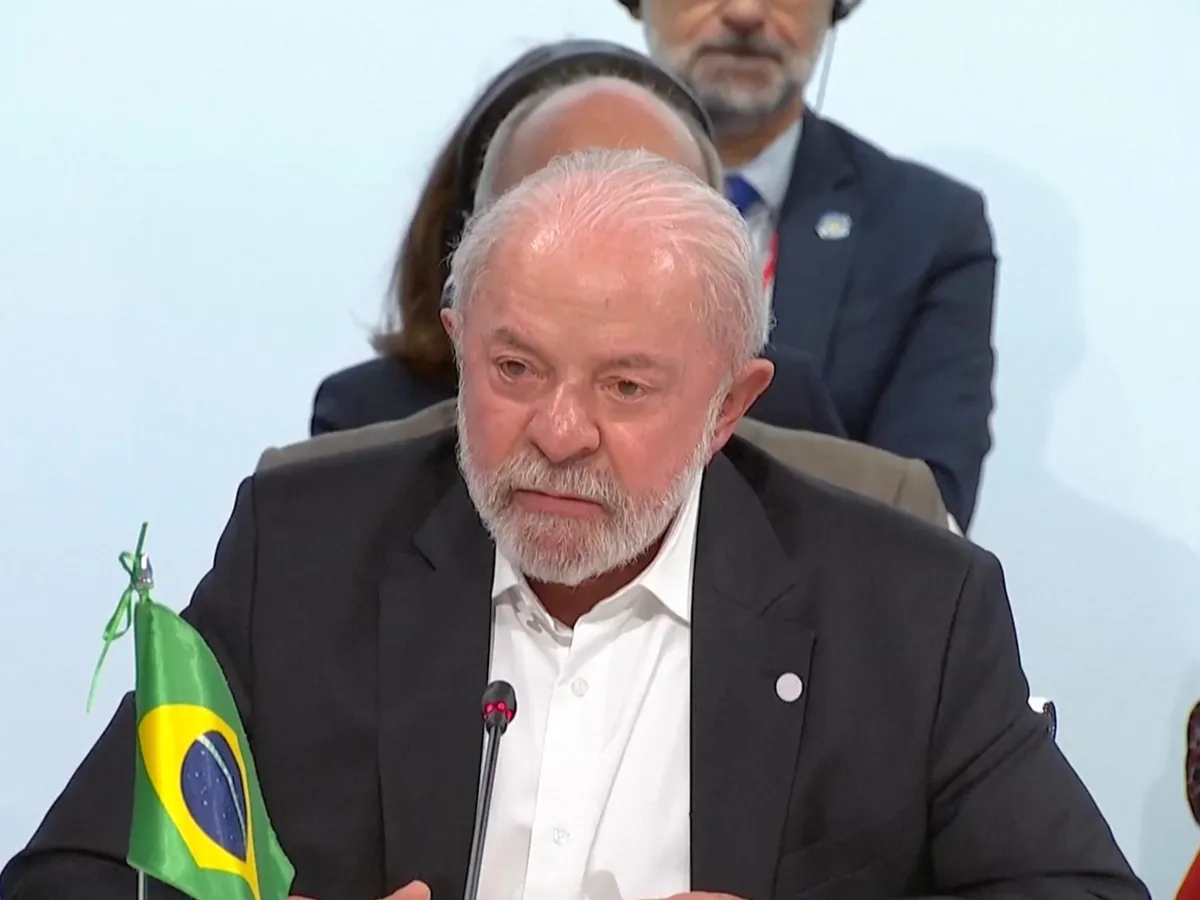
Brazilian President Luiz Inácio Lula da Silva did not come to play nice at the United Nations. In a remarkably blunt condemnation reported by Al Jazeera, Lula described the five permanent members of the UN Security Council - the United States, Russia, China, France, and the United Kingdom - as "lords of war," in what can only be described as a diplomatic mic drop with a tropical flair.
What did he actually say?
Lula's characterization targets the P5, the exclusive club of nations holding permanent seats and veto power on the Security Council. The "lords of war" label is a pointed critique of a body that critics have long argued is structurally incapable of maintaining global peace, largely because the countries most likely to start - or fuel - major conflicts are the exact same ones with the power to block any response to them. Convenient, right?
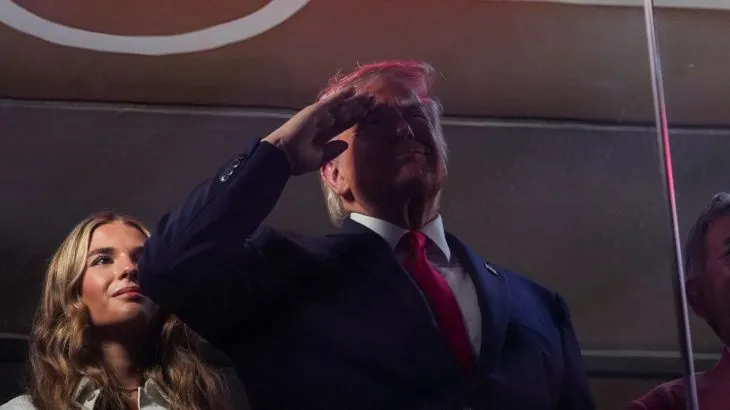
The Brazilian president has been a consistent and vocal critic of the current global security architecture, arguing that the UN's most powerful body reflects a post-World War II power structure that no longer represents the realities of a multipolar world. In other words: a club designed in 1945 running security policy in 2025 is a bit like using a fax machine to coordinate a cyberattack response.
Why this matters
This is not just Lula venting. Brazil is one of the most prominent voices pushing for Security Council reform, and as a major emerging economy and leader within the Global South, its criticism carries real diplomatic weight. The argument that the P5 - all nuclear-armed states and major arms exporters - have an inherent conflict of interest when it comes to global peacekeeping is hardly new, but it rarely gets stated this bluntly by a sitting head of state.
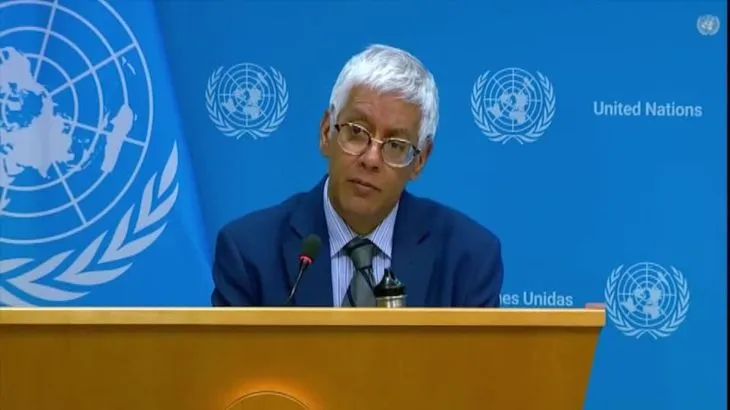
The five permanent members collectively account for the vast majority of global arms exports, a fact that sits awkwardly alongside their mandate to maintain international peace and security. Critics have pointed this out for decades, but the veto system ensures that meaningful reform remains, well, vetoed.
The bigger picture
Lula's comments reflect a growing frustration among Global South nations who feel sidelined by an international order they had little say in designing. From the conflicts in Gaza to Ukraine to Sudan, many developing nations argue that the Security Council has repeatedly failed to act - or acted selectively - based on the geopolitical interests of its permanent members rather than the humanitarian needs on the ground.
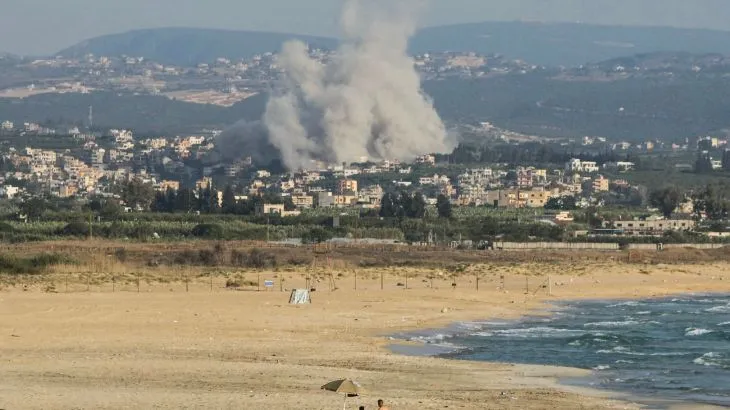
Whether calling them "lords of war" moves the needle on actual UN reform is another question entirely. But it does make for an extremely shareable soundbite.
Source: Al Jazeera