Ten years ago, on June 23, 2016, the United Kingdom did something that shocked the world, rattled financial markets, and made constitutional lawyers spontaneously combust with excitement: it voted to leave the European Union. The margin was not exactly a landslide - 52 percent for "Leave" versus 48 percent for "Remain" - but it was enough to set in motion one of the most turbulent political sagas in modern British history.
Now, a decade on, France 24's Revisited series is digging into the wreckage - or the renaissance, depending on who you ask - to examine what Brexit has actually delivered for ordinary people across the UK.
So, did it work out?
That is, of course, the million-pound question. Or rather, the question denominated in a currency that lost significant value right after the vote, but let's not get into that.
According to France 24's reporting, the show explores the real-world impact across several key areas: the broader economy, specific sectors like farming, and the profound social and political shifts that have reshaped British identity over the past ten years. Farmers, who were heavily dependent on EU subsidies and labour, have been among the groups whose fortunes since Brexit have attracted significant scrutiny.
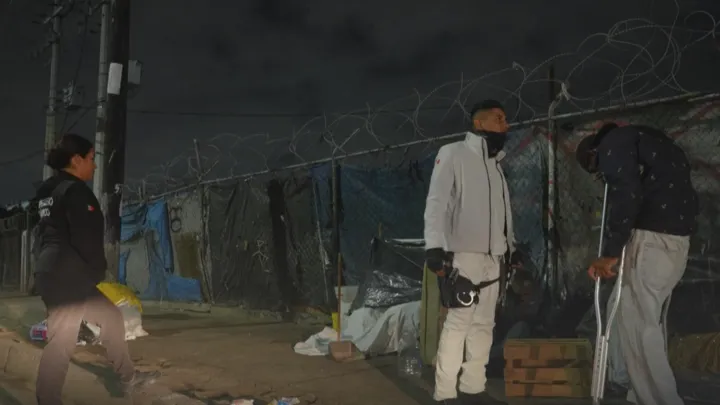
A political storm nobody saw coming
At the time of the vote, few political analysts predicted the "Leave" camp would actually pull it off. The result triggered the resignation of then-Prime Minister David Cameron almost immediately, ushered in years of parliamentary gridlock, multiple changes of prime minister, and a national conversation about identity, sovereignty, and belonging that frankly has not stopped since.
The social fault lines exposed by the referendum - between young and old, urban and rural, England and Scotland - did not simply heal once Article 50 was triggered. If anything, France 24's framing of the anniversary as "10 years of chaos and regret" suggests those divisions remain a live wire in British public life.

Regret? It's complicated
Public polling over the years has consistently shown that a growing proportion of British people believe Brexit was a mistake - though opinions vary wildly on what should be done about it. Rejoining the EU is not exactly a mainstream political platform in Westminster, even as some voices in Scotland and elsewhere keep the question alive.
Whether Brexit has "improved people's lives" - as France 24's Revisited explicitly asks - is the kind of question that probably does not have a clean answer. What it definitely has done is give political journalists a decade of material, constitutional lawyers steady employment, and the rest of the world a cautionary tale that will be studied in political science classes for generations.
Happy birthday, Brexit. You were certainly... something.
Source: France 24's Revisited, published June 12, 2026.