
Hold on to your avocado toast, because California just delivered a statistic that might make you spit out your overpriced cold brew: the state is actually making a dent in its homelessness crisis.
According to new data released by the US Department of Housing and Urban Development (HUD), California recorded an unhoused population of 181,934 in 2025 - a nearly 3% decrease compared to the year prior. That figure places California among the five states with the largest decreases in homelessness nationally, per reporting by The Guardian.
Newsom's crackdown: working or just working-ish?
The numbers come on the heels of Governor Gavin Newsom's much-publicized push to clear homeless encampments across the state - a policy that attracted equal parts applause and outrage depending on which corner of the internet you were standing in. Whether you credit the crackdown or broader housing initiatives, the trend line is at least pointing in the right direction for once.
California is not alone in the good-news department. Illinois, Hawaii, and Florida also reported notable decreases in their unhoused populations over the same period, according to The Guardian's summary of the HUD data. That cross-ideological mix of states suggests this isn't purely a blue-state policy flex - something is shifting at a broader level.
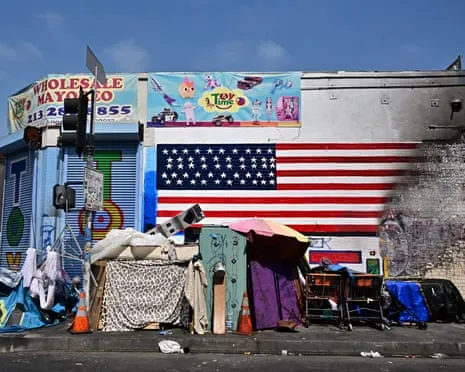
Context matters (because it always does)
Before anyone starts printing "Mission Accomplished" banners, some important caveats are worth keeping in mind. A nearly 3% drop sounds nice, but California still holds the dubious honor of having one of the largest raw homeless populations in the entire country. Nearly 182,000 people without stable housing is not a success story - it's a smaller catastrophe than before.
The HUD point-in-time count methodology also has its critics, as advocates for unhoused communities often argue the annual snapshot undercounts people who cycle in and out of temporary shelter arrangements.
The bigger picture
Still, a decrease is a decrease, and in a policy space where progress is historically glacial and headlines are almost always grim, any movement matters. The data at least gives policymakers - and the very online people who argue about them - something other than pure doom to chew on.
Whether this trend holds into 2026 or represents a blip will depend on housing affordability, mental health infrastructure, and whether state and local governments can maintain funding momentum. No pressure.
Source: The Guardian, reporting on US Department of Housing and Urban Development 2025 data.