
China has adopted contrasting strategies for its energy sector engagement across Central Asia, tailoring its approach differently in Uzbekistan and Kyrgyzstan rather than applying a uniform regional policy, according to an analysis published by The Diplomat.
In Uzbekistan, Chinese investment has focused on modernization - upgrading and expanding existing energy infrastructure to support the country's growing industrial base and its ambitions to become a regional economic hub. The approach aligns with Uzbekistan's broader reform agenda under President Shavkat Mirziyoyev, who has opened the country to foreign investment since taking power in 2016.
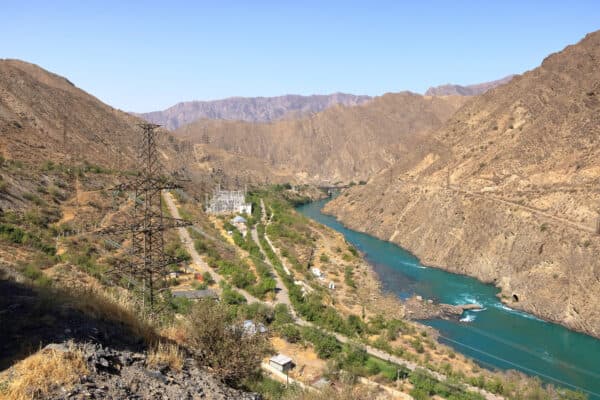
In Kyrgyzstan, by contrast, Beijing's energy engagement has centered on stabilization - shoring up a deteriorating power grid that has left the country vulnerable to seasonal shortages and blackouts. Kyrgyzstan's energy infrastructure, much of it dating to the Soviet era, has struggled to meet domestic demand, particularly during winter months.
Strategic calculus behind the differences
The divergence in approach reflects the distinct economic and political circumstances of each country. Uzbekistan, with a larger population and a more diversified economy, offers greater commercial opportunities and a more stable investment environment. Kyrgyzstan presents higher financial risk but carries strategic value for China as a transit country and a partner within the Shanghai Cooperation Organisation.
The differentiated strategy also suggests Beijing is responding to the specific leverage points and vulnerabilities present in each relationship, rather than pursuing a single template for Central Asian engagement.
Broader regional context
China's energy diplomacy in Central Asia sits within the larger framework of the Belt and Road Initiative, through which Beijing has extended loans, infrastructure investment, and technical cooperation across the region since 2013. Central Asian states have both welcomed Chinese capital and expressed concern about debt dependency and the terms attached to major infrastructure deals.
Russia, which has historically regarded Central Asia as within its sphere of influence, remains a significant actor in the region's energy sector. China's expanding role has at times been characterized as competitive with Moscow's interests, though the two countries have generally avoided open confrontation over the region.
The analysis in The Diplomat indicates that China's ability to calibrate its engagement based on local conditions may give it a durable advantage in building long-term influence across the region, even where individual projects carry economic or political risk.

