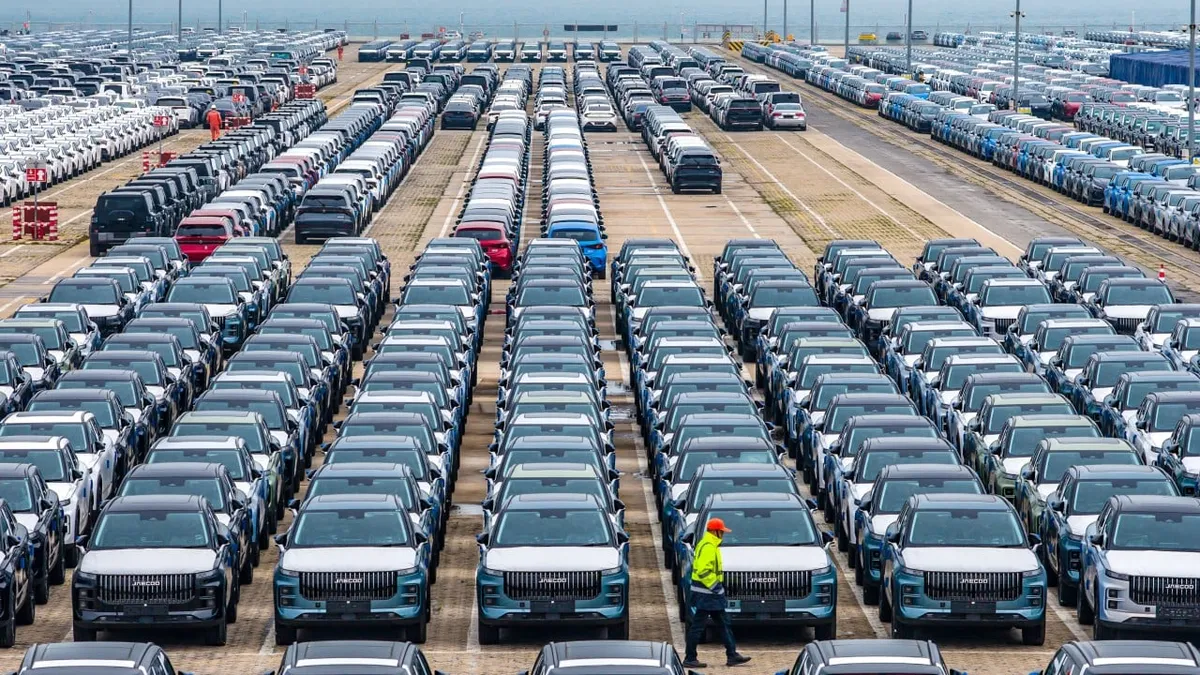
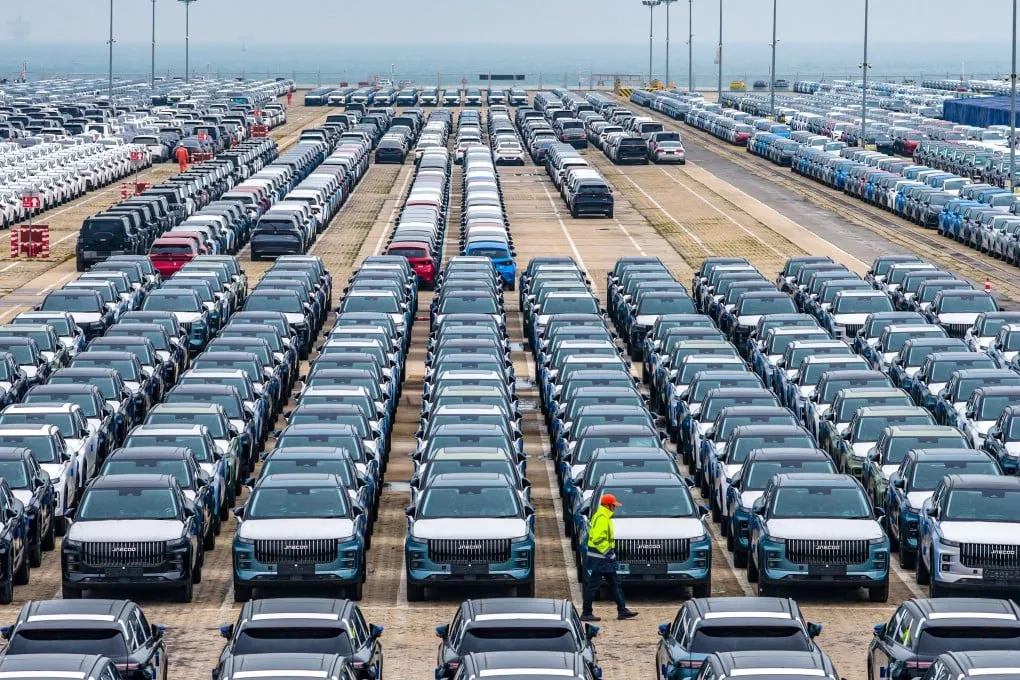
South Korea - home to Hyundai, Kia, and roughly a billion K-dramas - is not exactly known for rolling over and letting foreign car companies waltz in. Yet here we are: electric vehicles made in China now account for one in every three new EV registrations in the country, according to reporting by the South China Morning Post.
Let that sink in for a second. South Korea, one of the most fiercely competitive auto markets on the planet, is buying Chinese-made electric cars at a pace that would make Detroit sweat through its overalls.
Tesla's Shanghai factory is doing the heavy lifting
Before anyone starts panic-posting about BYD taking over Seoul, there's a nuance worth unpacking. The surge is largely being driven by Tesla vehicles built at its Shanghai Gigafactory - not purely homegrown Chinese brands. Tesla's China-manufactured models have found a surprisingly receptive audience among Korean consumers who apparently enjoy range anxiety served with a side of Elon Musk's particular brand of chaos.
That said, Chinese automakers themselves are starting to gain real traction in the market, and analysts cited by the SCMP say there's still plenty of room to grow.
Why South Korea? Why now?
A few factors are fueling the trend. South Korea has maintained looser import restrictions compared to the European Union and the United States, which have erected tariff walls tall enough to make the Great Wall of China look like a garden fence. On top of that, higher fuel prices - linked by analysts to fallout from the US-Israeli conflict with Iran - are nudging consumers toward EVs in the first place.
It's basically a perfect storm: global instability making petrol expensive, fewer regulatory barriers keeping Chinese cars out, and consumers who are increasingly willing to shop around.
Not so fast - the subsidy crunch is coming
Analysts are flagging one significant speed bump ahead. South Korea has been tightening its EV subsidy regime, and reduced government incentives could cool the enthusiasm for imported electric vehicles rather quickly. Subsidies have historically been the secret sauce that makes EVs palatable to cost-conscious buyers, so pulling back the financial support could hit Chinese brands harder than established local players with deeper dealer networks and brand loyalty.
For Hyundai and Kia, the message is simultaneously alarming and motivating. Their own backyard is getting crowded, and the competition is arriving with competitive price tags and increasingly respectable build quality.
The Korean auto industry has punched above its weight for decades. Whether it can keep doing that while Chinese EVs chip away from the inside is the question nobody in Seoul particularly wants to answer right now.