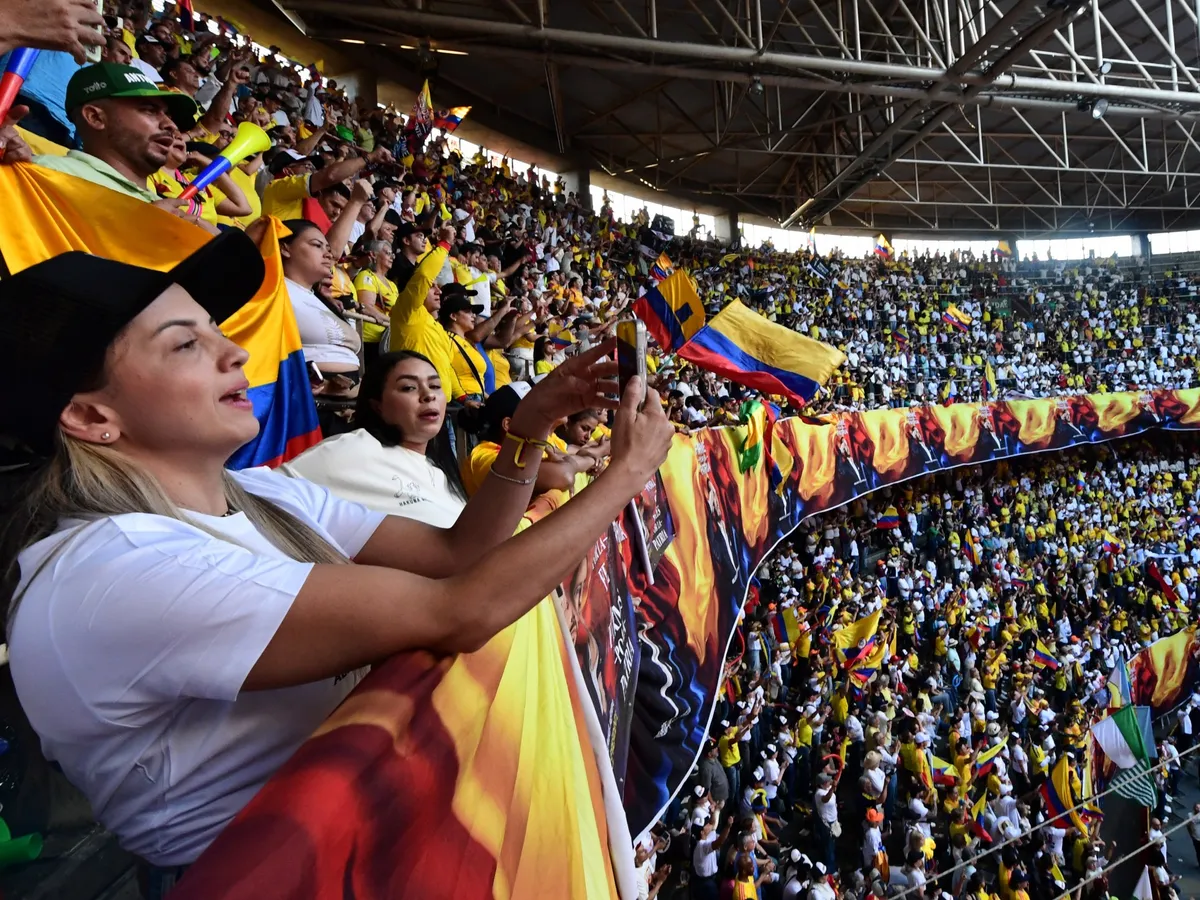
Colombia is heading into a presidential election that, according to Al Jazeera, is being described as a clash of "opposite visions" - and honestly, that might be the understatement of the decade in a country that has spent generations navigating guerrillas, cartels, and peace deals that seem to fall apart faster than a cheap umbrella in a thunderstorm.
Who's in the race?
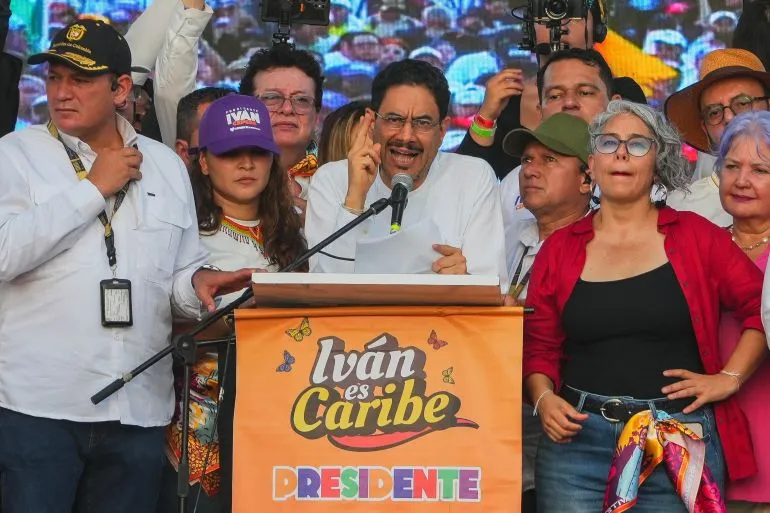
Left-wing Senator Ivan Cepeda is currently leading the pack after the first round, ahead of two right-wing rivals. The election is being dominated by security concerns, which in Colombia carries a lot of weight - this is not a country where "security concerns" means someone left the back door unlocked.
Cepeda, a longtime human rights advocate and vocal critic of paramilitaries and state violence, represents a left-leaning approach to the country's deeply entrenched conflict. His right-wing opponents are pushing harder-line security stances, setting up what Al Jazeera describes as a fundamental ideological divide over how Colombia should actually deal with its ongoing violence problem.
Why does this matter so much?
Colombia is at a critical crossroads. The 2016 peace deal with the FARC guerrillas was supposed to be a turning point, but various armed groups - including FARC dissidents, the ELN, and drug trafficking organizations - have continued to wreak havoc across the country. Every election since has essentially been a referendum on how to handle that mess.
Do you negotiate? Do you militarize? Do you try a bit of both and hope for the best? These are not abstract policy questions in Colombia - they are life-and-death decisions for millions of people living in conflict-affected regions.
The bigger picture
The election also takes place in the broader context of Latin America's ongoing political polarization, where left and right governments have been trading power across the region in rapid succession. Colombia under current President Gustavo Petro - himself a former guerrilla - has pursued controversial peace negotiations with armed groups, a policy his critics argue has emboldened rather than pacified them.

Whoever wins the second round will inherit a country that is simultaneously beautiful, resilient, economically dynamic, and absolutely exhausted by decades of conflict. No pressure.
The stakes could not be higher, the visions could not be more different, and the world will be watching to see which direction one of South America's most strategically important countries decides to go.
Source: Al Jazeera