Colombian President Gustavo Petro has announced plans to file a lawsuit against Ecuadorian President Daniel Noboa after Noboa publicly alleged that Petro had connections to Jose Adolfo Macias Villamar, the notorious gang leader known as 'Fito', according to ABC News.
The dispute marks a significant deterioration in relations between the two neighboring countries, as a sitting head of state now threatens legal action against another over allegations of criminal association.
The allegations
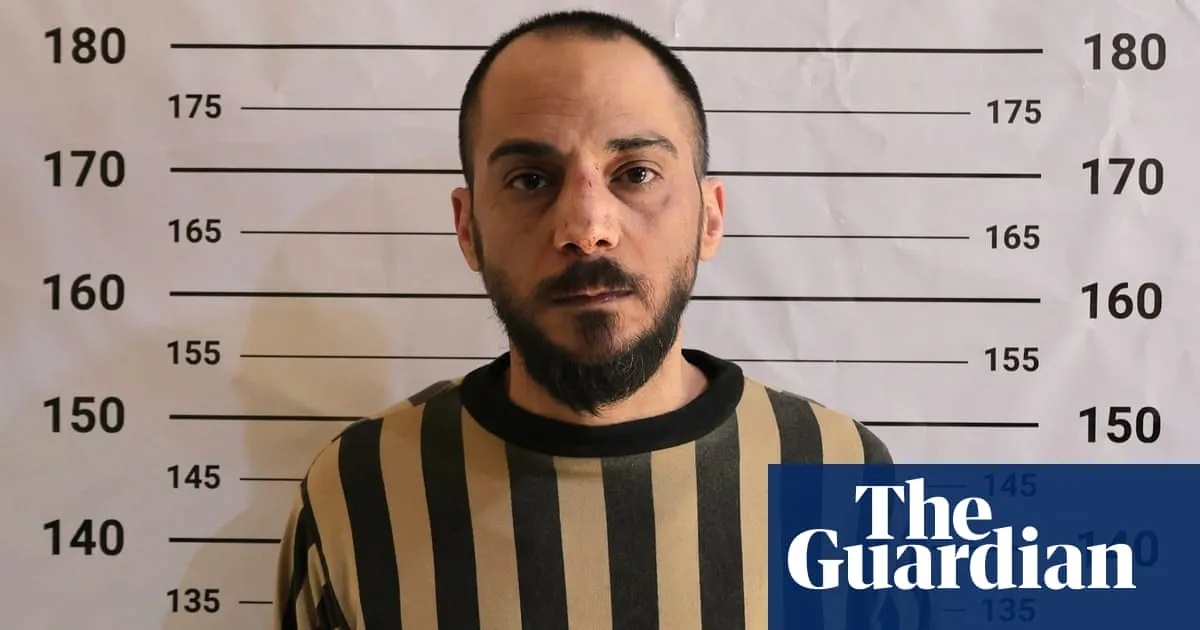
Noboa's claims center on alleged links between Petro and Fito, who leads Los Choneros, one of Ecuador's most powerful criminal organizations. Fito gained international attention in early 2024 after escaping from a high-security prison in Ecuador, a jailbreak that triggered a national security crisis and prompted Noboa to declare a state of internal armed conflict.
The nature and specifics of the alleged ties between Petro and the gang leader, as characterized by Noboa, were not detailed in the available source material.

Petro's response
Petro, a left-wing former guerrilla who has pursued peace negotiations with various armed groups during his presidency, forcefully rejected the allegations. He framed his intention to pursue legal action as a defense of his personal and political reputation against what he characterized as false claims made by a foreign head of state.
The Colombian president's decision to pursue litigation against a foreign leader is an unusual diplomatic move that could further strain bilateral relations between Bogota and Quito.
A broader regional context
The clash between the two leaders reflects wider ideological and strategic tensions in Latin America. Noboa, a center-right president who has taken an aggressive military-style approach to combating organized crime in Ecuador, stands in marked contrast to Petro's governance philosophy, which has emphasized negotiation and social reform as tools to address violence.
Ecuador has faced an escalating security crisis in recent years, with drug trafficking organizations - many of them connected to Colombian cartels - expanding their influence throughout the country. Petro's government, for its part, has pursued formal peace talks with several armed groups operating inside Colombia.
It remains unclear what legal jurisdiction Petro intends to pursue the case in, or what remedies he would seek. No response from Noboa to the lawsuit announcement was available in the source material at the time of reporting.