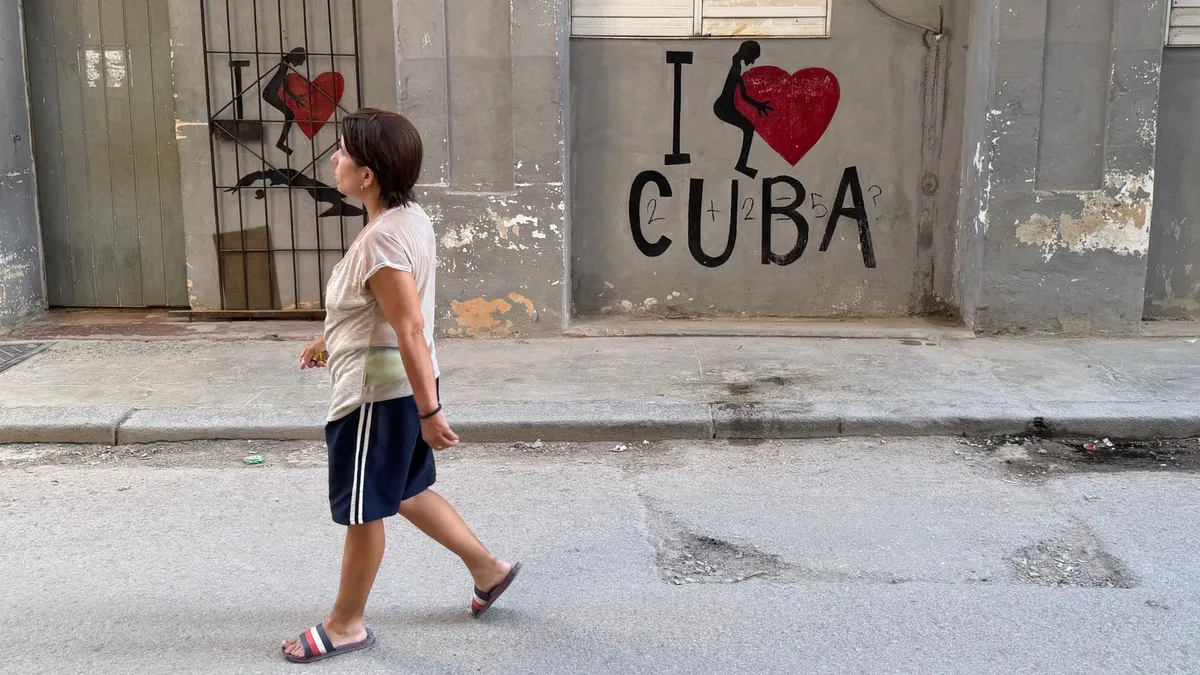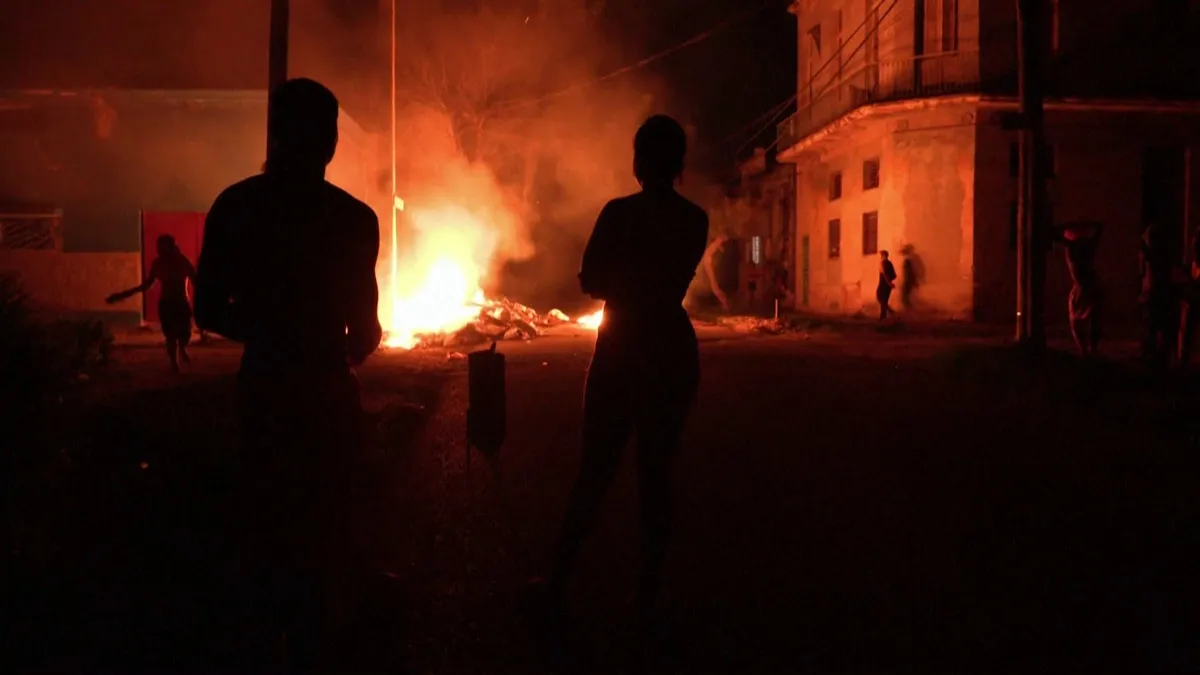
If you thought your power bill was bad, spare a thought for Cubans right now. According to Al Jazeera, residents in Havana have taken to the streets - and started setting things on fire in those streets - to protest the country's worsening electricity blackouts, which are themselves a direct result of an intensifying oil shortage. So basically: no oil, no power, and now, somewhat ironically, a whole lot of fire.
Lights out, rage on
The scenes coming out of Havana show protesters building burning barricades as frustration boils over from rolling blackouts that have left Cubans sweltering in the dark for hours at a time. This is not the casual "oops, the grid tripped" kind of outage. This is a systemic, structural energy crisis that has been grinding the island down for years - and it appears the population has officially run out of patience.
The fuel shortage driving the crisis is not exactly a surprise to anyone who has been paying attention. Cuba has been heavily reliant on oil imports, particularly from allies like Venezuela, and as those supply lines have thinned out due to economic pressure and geopolitical turbulence, the lights have quite literally been going out.
A crisis stacking on top of a crisis
This is not the first time Cubans have taken to the streets in recent years. The unprecedented July 2021 protests - the largest in decades - were also driven by shortages, blackouts, and economic desperation. The current unrest suggests that little has fundamentally improved since then, and the government's ability to manage public frustration is visibly fraying.
For a country that already faces significant challenges from international sanctions, limited foreign currency, and a crumbling infrastructure, an acute oil shortage is basically the worst possible variable to throw into the equation. Without fuel, there is no power generation. Without power, there is no refrigeration, no air conditioning in tropical heat, no functioning economy to speak of.
The bigger picture
Cuba's energy woes are a concentrated, high-stakes version of a problem facing several nations - energy dependency, aging infrastructure, and geopolitical exposure colliding at once. The difference here is that ordinary Cubans are living with the immediate, daily consequences in a way that leaves very little room for patience or political tolerance.
Whether the protests will result in any meaningful policy change or just more government promises remains to be seen. But one thing is clear: when your population starts lighting the streets on fire just to have some light, it might be time to take the energy crisis seriously.
Source: Al Jazeera