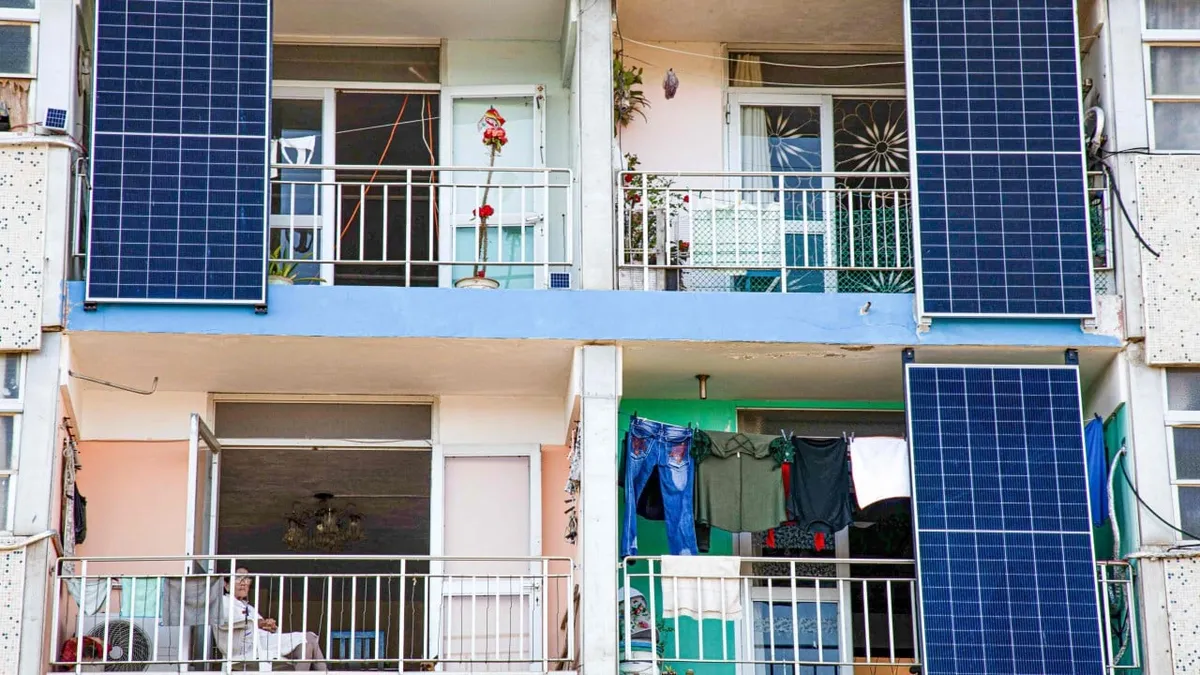
If you were designing a real-life geopolitical chess move, you probably would not start with solar panels in Cuba. And yet, here we are.
According to reporting by the South China Morning Post, China is positioned to be one of the biggest winners of what analysts are calling the worst energy crisis in recorded history - and its unlikely showcase is the island nation of Cuba, which has been squeezed by a prolonged US energy blockade for decades.
From 6% to 20% in a single year
The numbers are genuinely staggering. Within the 12 months through February, solar power's share of Cuba's national electricity generation jumped from just 6 per cent to more than 20 per cent, according to Microgrid Media, a California-based publication that tracks global renewable energy capacity. That is not incremental progress - that is a full-on sprint.
The engine behind that sprint? Chinese solar panels, which have flooded into Cuba as a practical workaround to the island's inability to reliably access fossil fuels. What started as a necessity is now being framed as a model - proof that a country locked out of conventional energy markets can still keep the lights on, as long as someone is willing to sell you photovoltaic cells at scale.
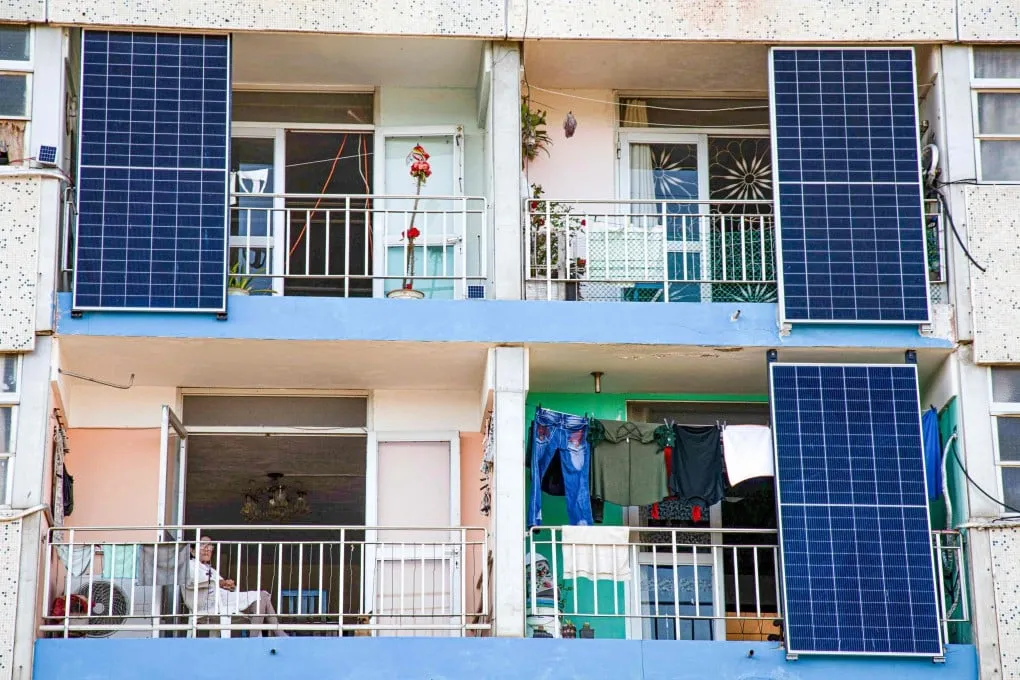
China's quiet renewable diplomacy
China's role here is not purely altruistic, of course. Being the dominant supplier of solar hardware to a country that just tripled its renewable share in one year is an extraordinary advertisement for your manufacturing sector. It also deepens diplomatic and economic ties with a nation that sits 90 miles from the United States - a detail that is unlikely to be lost on anyone in Washington.
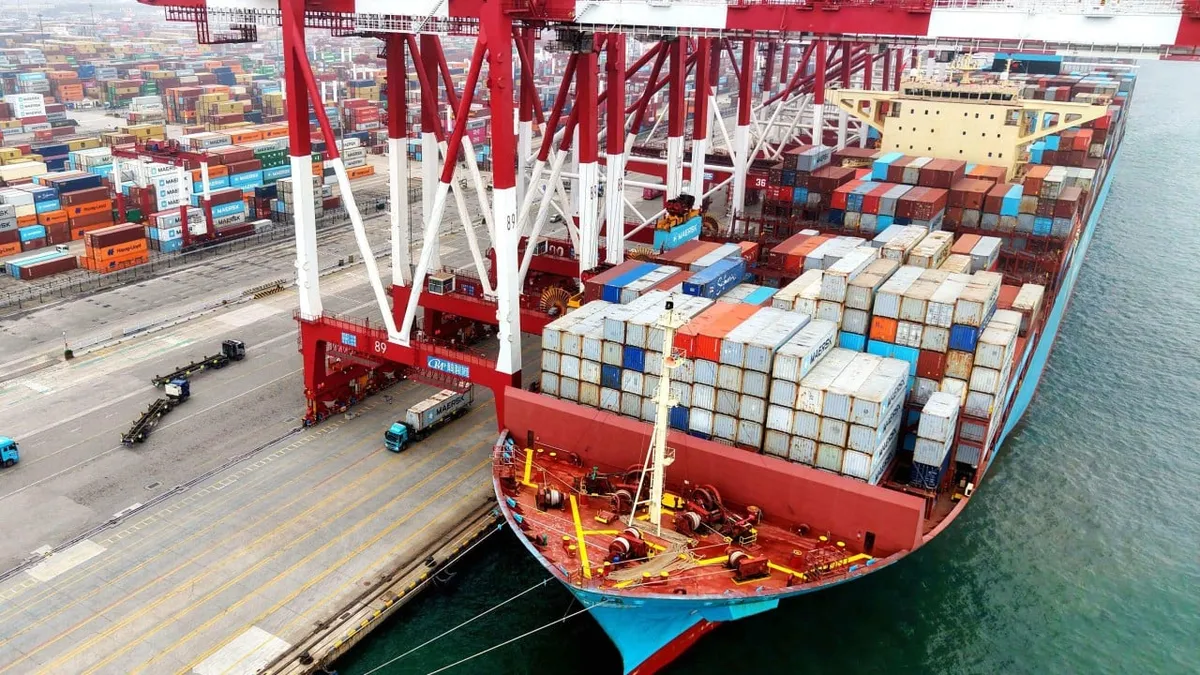
The broader context matters too. With energy prices spiking globally and fossil fuel supply chains looking increasingly fragile and politically toxic, countries that have been sitting on the fence about renewables are now looking for fast, affordable options. China, which produces the overwhelming majority of the world's solar panels, is perfectly positioned to be that option.
An inconvenient advertisement for energy independence
There is a certain irony in the fact that the US blockade - intended to isolate Cuba economically - may have inadvertently accelerated exactly the kind of energy independence that other developing nations are now watching closely. If a country under severe economic pressure can achieve 20 per cent solar generation in a single year, the question for everyone else becomes: what is your excuse?
China, for its part, appears content to let the results do the talking. In a global energy crisis, being the country that kept Cuba's grid running is not a bad reputation to have.