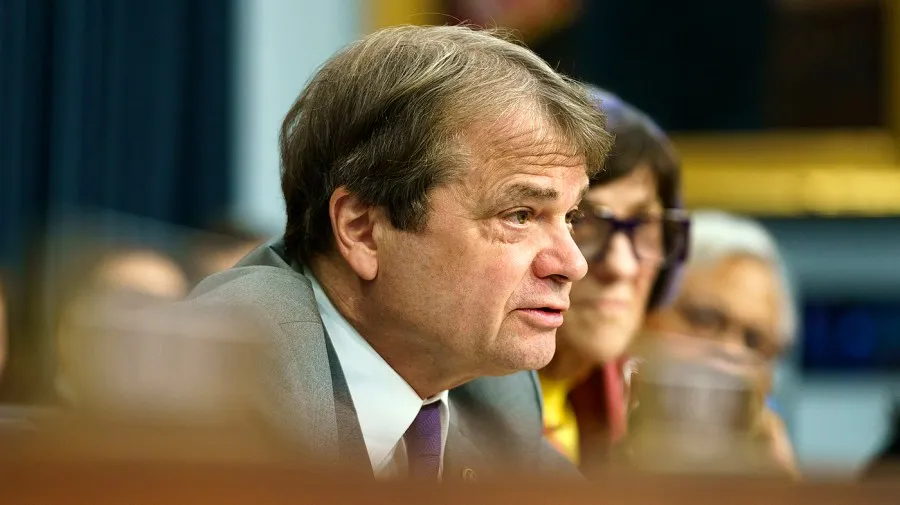
Rep. Mike Quigley (D-Ill.) has rejected claims by Sen. John Fetterman (D-Pa.) that some members of the Democratic Party are rooting for Iran amid ongoing hostilities, arguing that the concerns being raised by Democrats reflect opposition to prolonged military conflict rather than sympathy for adversaries.
Quigley pushed back directly on Fetterman's characterization during an appearance on CNN's "The Arena" with host Kasie Hunt, according to reporting by The Hill.
"No, I think what we're hearing from our constituents when we go back is that they don't want another bloody, endless, costly war," Quigley told Hunt.
The exchange highlights a visible tension within the Democratic Party over how to respond to U.S. military involvement and the broader conflict involving Iran. Fetterman, who has positioned himself as one of the more hawkish voices among Senate Democrats, has drawn scrutiny from within his own party for his stance.
Quigley's comments frame Democratic skepticism of military escalation as a practical concern rooted in public opinion and the lessons of past conflicts, rather than ideological alignment with foreign adversaries. The framing reflects a broader effort by some Democrats to distinguish antiwar sentiment from what critics have characterized as insufficient support for U.S. national security interests.
The dispute underscores the range of views within the Democratic Party on foreign policy, particularly regarding military engagement in the Middle East. While figures like Fetterman have advocated for firmer stances against Iran, others in the party have emphasized diplomatic solutions and expressed wariness about the human and financial costs of armed conflict.
Public polling has consistently shown that large segments of the American public are cautious about new military engagements abroad, a reality Quigley cited to explain the feedback he and colleagues are receiving from voters in their home districts.
The back-and-forth between the two Democrats comes as the United States continues to navigate a volatile security environment in the Middle East, with tensions involving Iran remaining a central concern for policymakers in both parties.