A new Ebola outbreak in the Democratic Republic of Congo has killed at least 80 people and infected 246 others, the country's health minister announced Saturday, warning that no vaccine currently exists for the strain responsible.
Health Minister Samuel-Roger Kamba disclosed the figures at a press briefing in Kinshasa, identifying the outbreak as caused by the Bundibugyo strain of the Ebola virus, which he described as highly lethal. The strain is distinct from the more commonly known Zaire strain, for which approved vaccines have been developed and deployed in previous outbreaks.
A strain with limited medical countermeasures
The absence of a licensed vaccine for the Bundibugyo strain represents a significant complication for containment efforts. Previous large-scale Ebola responses in DR Congo relied heavily on vaccination campaigns to create protective rings around affected communities, a strategy that will not be available to health workers in the current outbreak.
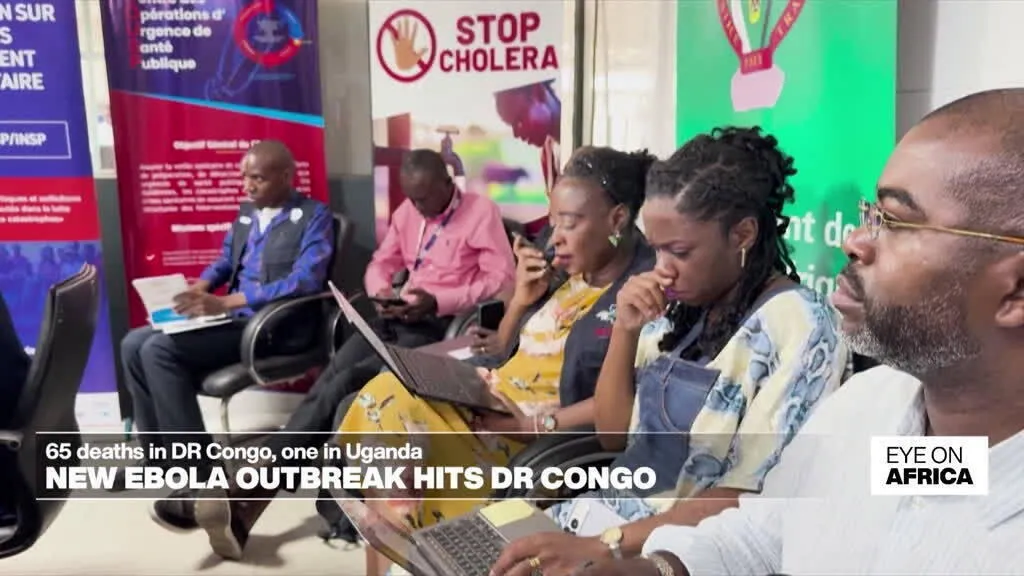
Bundibugyo Ebola virus was first identified in Uganda in 2007 and has caused a limited number of outbreaks since then, making it less studied and less prepared for than the Zaire strain, which drove the devastating 2014-2016 West Africa epidemic and subsequent outbreaks in DR Congo.
Rising toll raises regional concern
The figures released Saturday represent a significant escalation. DR Congo has experienced repeated Ebola outbreaks over decades, but the combination of a high case count, a lethal strain, and the lack of vaccine options has drawn attention from international health authorities.
The World Health Organization and other international partners have not yet issued updated public statements in response to the Saturday figures, according to reporting by France 24, which first reported the minister's briefing.
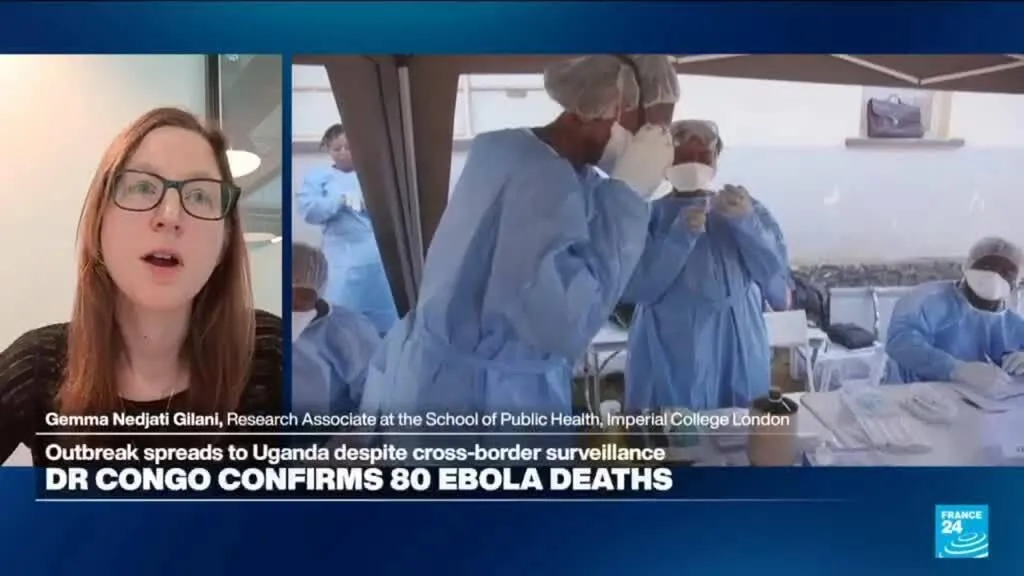
DR Congo's health system has long faced strain from overlapping disease outbreaks, ongoing conflict in the country's eastern regions, and chronic underfunding. These factors have historically complicated outbreak response efforts and contributed to higher mortality rates.
Response efforts underway
Kamba did not provide detailed information about the geographic spread of the outbreak or specify which provinces are most affected, according to available reports. Authorities are expected to coordinate with international health organizations to deploy alternative response measures, including contact tracing, isolation facilities, and supportive care protocols.
Ebola virus disease causes severe hemorrhagic fever and has a case fatality rate that can range from 25 to 90 percent depending on the strain and the quality of medical response. The Bundibugyo strain has historically shown fatality rates in the range of 25 to 36 percent in documented outbreaks, though conditions on the ground can significantly affect outcomes.