The European Union has approved a large loan package to support Ukraine's economic and military needs over the next two years, following Hungary's decision to lift its long-standing veto on the measure, according to France 24.
The EU's Cypriot presidency confirmed the approval on Thursday, marking a significant step forward for European financial support to Kyiv after months of political deadlock caused by Budapest's opposition.
Hungary, led by Prime Minister Viktor Orban, had repeatedly blocked or delayed EU-level assistance to Ukraine, citing concerns over the conflict and its country's economic interests. The lifting of that veto clears a path for the funding to reach Ukraine as the country continues to face significant financial pressure from the ongoing war with Russia.
Sanctions also extended
Alongside the loan approval, EU member states agreed to a new package of sanctions targeting Russia, France 24 reported. The measures are part of the bloc's sustained effort to increase economic pressure on Moscow over its military campaign in Ukraine.

The dual announcements - financial support for Kyiv and further restrictions on Russia - represent one of the more consequential EU decisions on the conflict in recent months.
Hungary's shifting position
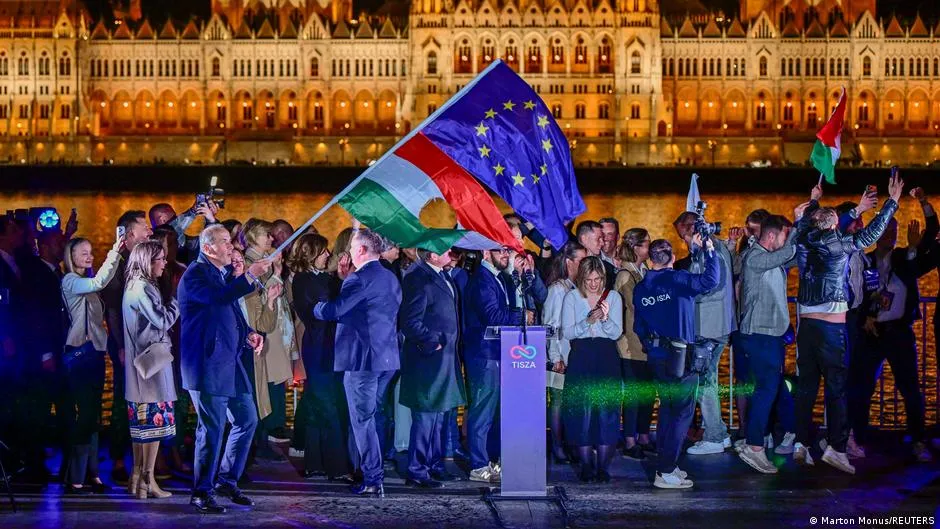
Budapest's decision to drop its veto is a notable development given Orban's history of resisting EU consensus on Ukraine-related measures. Hungary has at various points held up sanctions packages, financial aid, and broader EU policy on the war, often putting it at odds with other member states and EU institutions.

The reasons behind Hungary's change of position were not detailed in the France 24 report, though such shifts have historically followed prolonged diplomatic negotiations between Budapest and Brussels.
Significance for Ukraine
The loan package is intended to help Ukraine manage both its civilian economy and its defense requirements at a time when the country remains heavily dependent on external financial support. Western allies, including the United States and EU member states, have provided hundreds of billions of dollars in combined aid since Russia launched its full-scale invasion in February 2022.
The approval comes amid ongoing uncertainty about the long-term trajectory of Western support, particularly given shifting political dynamics in Washington. The EU's commitment through this latest package signals continued backing from European institutions for the duration of at least the next two years.
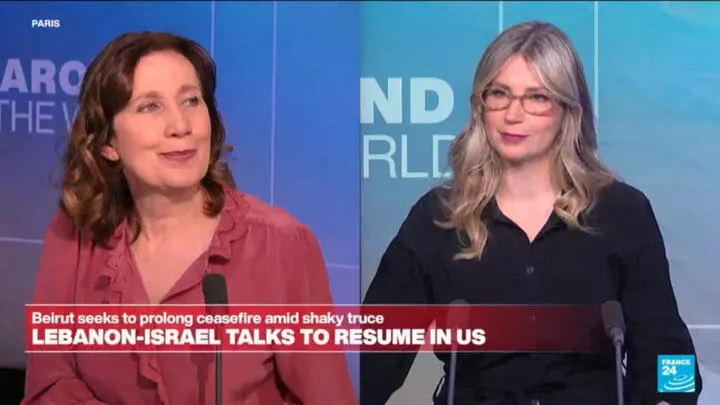
France 24's Europe editor Armen Georgian provided additional analysis on the decision and its implications for EU unity on the Ukraine file.