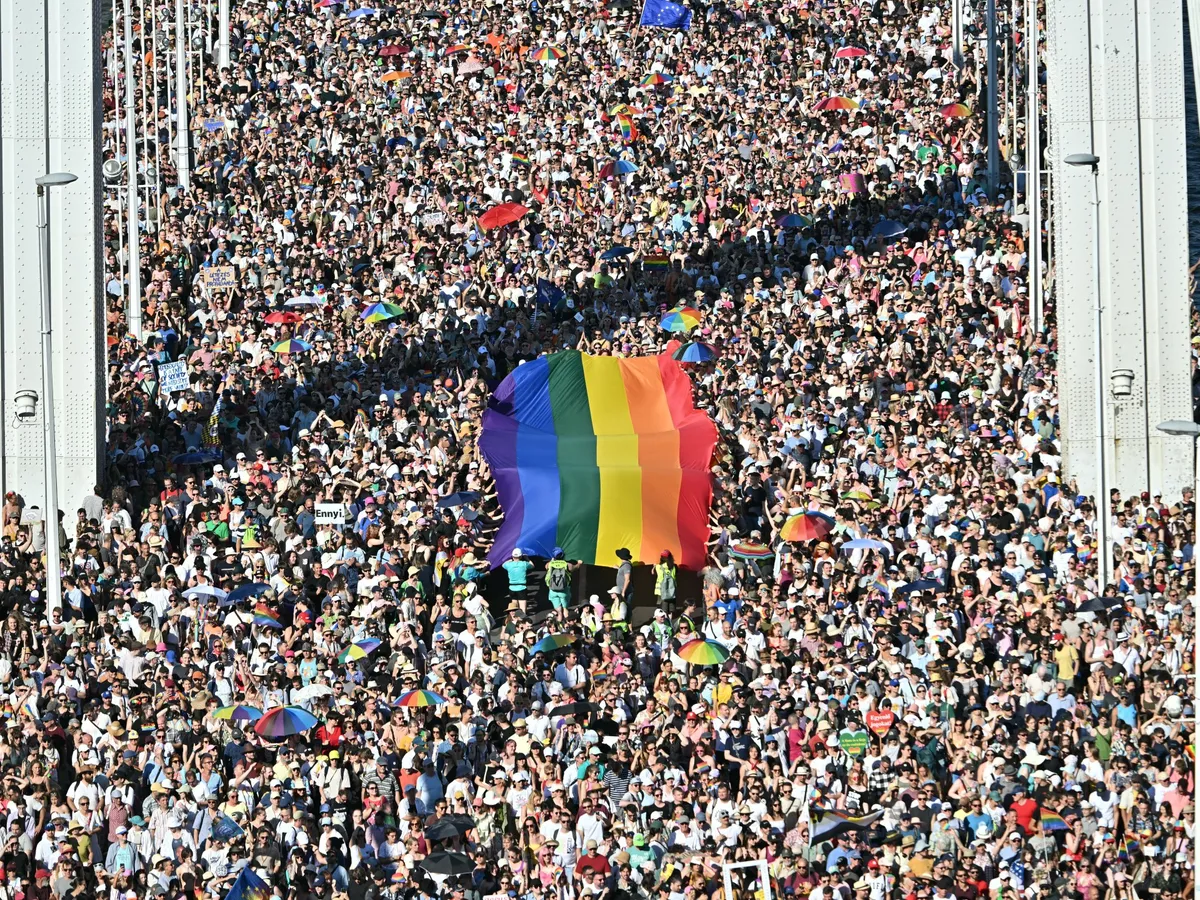
Viktor Orban's Hungary has once again found itself on the wrong side of a European courtroom, and this time the judges were not pulling any punches. The European Court of Justice (ECJ) ruled that Hungary's controversial law restricting LGBTQ content and representation violates EU law - not just in one way, but, as the court put it, "on a number of separate levels," according to reporting by Al Jazeera.
What the law actually does
The Hungarian legislation, pushed through by Orban's Fidesz government, bans the depiction of homosexuality and gender reassignment in content accessible to minors. Critics - including the European Commission, which brought the case - argued from the start that the law was less about protecting children and more about stigmatising LGBTQ people as a political manoeuvre. The ECJ appears to have agreed, and then some.
A multi-level legal smackdown
The court's finding that the law breaches EU rules "on a number of separate levels" is significant legal language. It signals this was not a close call or a narrow technicality - it was a broad, sweeping rejection of the measure's compatibility with the bloc's foundational principles, including human dignity and freedom of expression. The ECJ is the highest court in the EU on matters of European law, so there is no appealing this one further up the ladder.
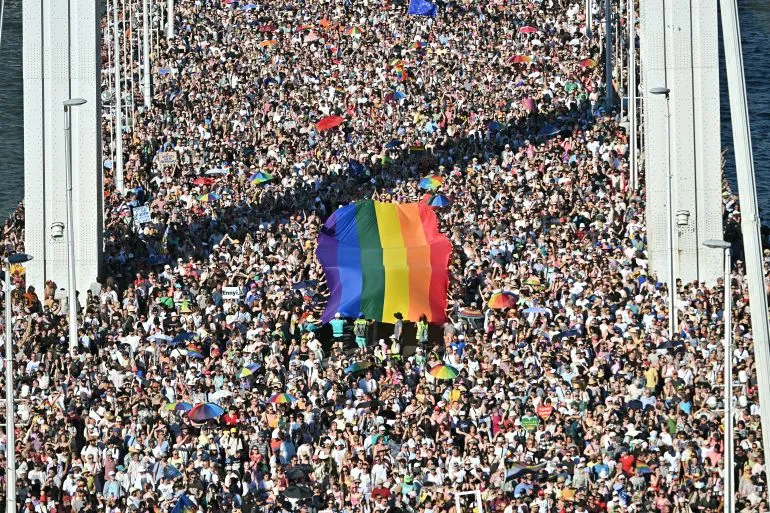
Hungary vs. everyone, basically
This ruling lands as the latest chapter in Budapest's long-running feud with EU institutions. Orban's government has repeatedly clashed with Brussels over rule of law, press freedom, and minority rights, leading to billions in EU funds being frozen. Hungary has framed these conflicts as Brussels overreaching into national sovereignty - a message that plays well domestically but has so far not convinced a single European court.
The European Commission had taken Hungary to court over this specific law, arguing it violated the bloc's internal market rules and fundamental rights protections. The ECJ sided with the Commission.
What happens next?
A ruling from the ECJ does not automatically change Hungarian law overnight. Hungary could face financial penalties if it refuses to comply - a mechanism the EU has used before, with mixed results. Given Budapest's track record, compliance is not exactly a foregone conclusion. But the ruling adds significant legal and political pressure, and gives the Commission stronger tools to push back.
For LGBTQ advocates and civil society groups in Hungary, the ruling is a symbolic and legal win in a climate that has grown increasingly hostile. Whether it translates into real change on the ground, however, depends on political will that has so far been conspicuously absent in Budapest.