Nobody likes being told they have a problem. But sometimes the universe decides to stage an intervention anyway - and this time, it came in the form of fuel blockades, panicking drivers, and suspiciously long queues outside Irish petrol stations.
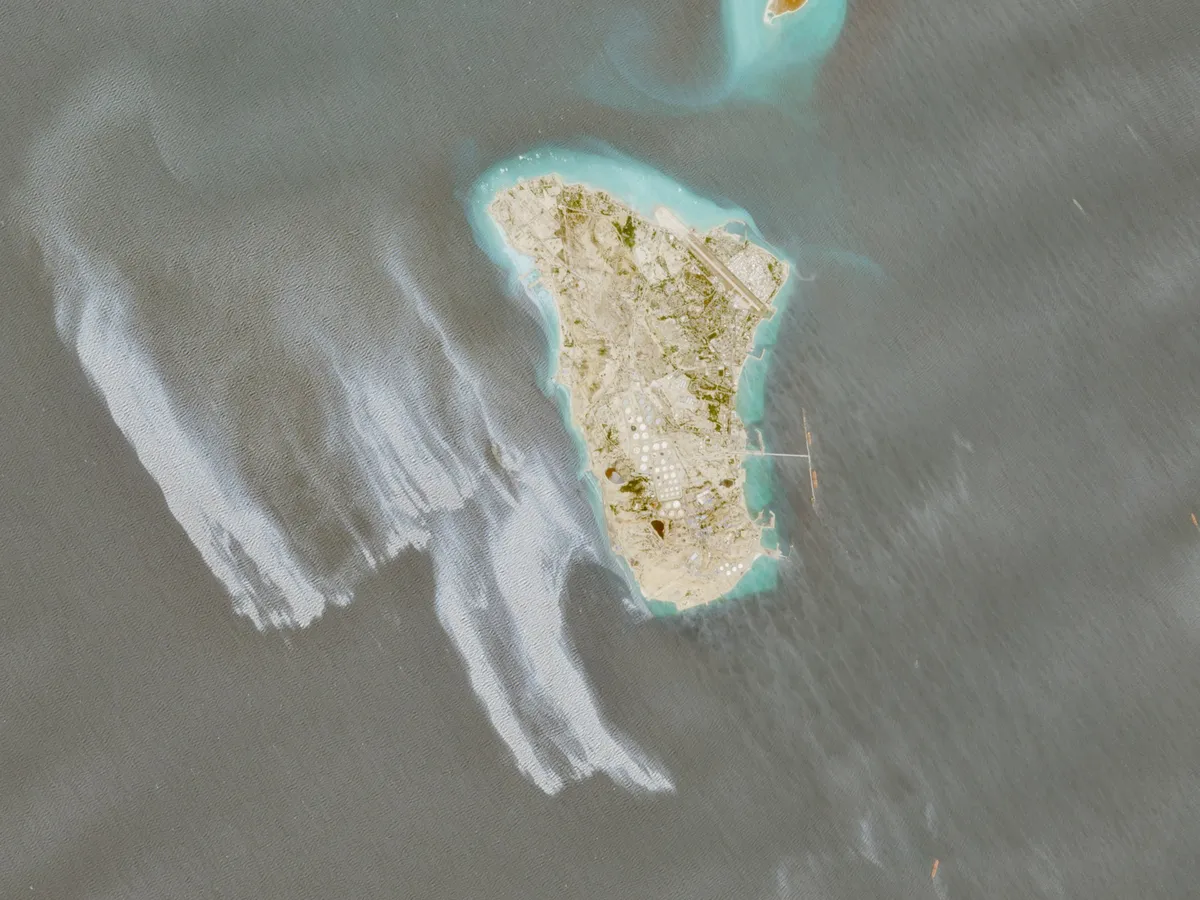
According to a report by The Guardian, the ongoing tensions sparked by Donald Trump's conflict with Iran have delivered a very uncomfortable mirror to Europe's face, reflecting back a continent still embarrassingly hooked on oil it cannot reliably secure. Ireland, perhaps more visibly than most, felt the squeeze as supply disruptions rippled outward from the Strait of Hormuz - a body of water through which a genuinely alarming chunk of the world's oil happens to travel.
The Hormuz problem nobody wanted to talk about
The International Energy Agency reportedly described disruption in the Strait of Hormuz as the biggest of its kind in recent memory. When roughly a fifth of global oil supply has to squeeze through a geographic bottleneck that is currently caught in the crossfire of a geopolitical standoff, "energy security" stops being a buzzword and starts being a very real Tuesday morning problem.
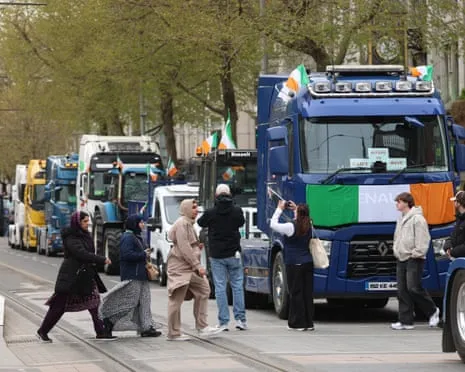
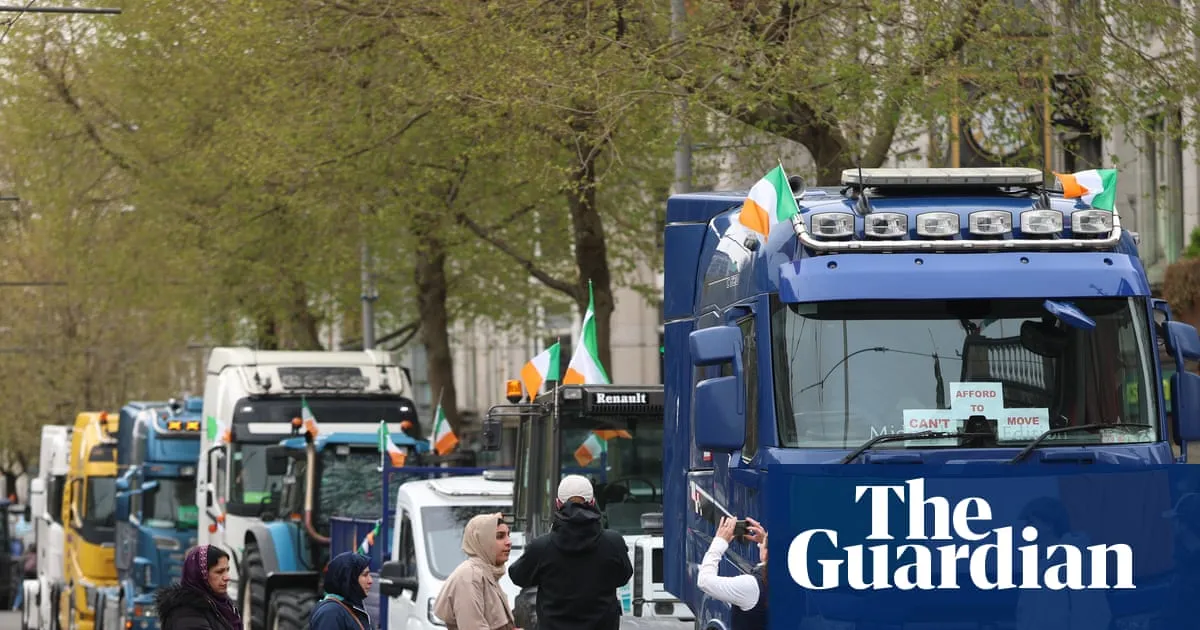
Ireland's fuel blockades were a particularly stark illustration. The country, heavily dependent on imported fossil fuels, had very little buffer when the supply chain wobbled. Cue the queues, the social media meltdowns, and the slow, dawning realisation that maybe this whole setup is not ideal.
Every crisis needs its silver lining, apparently
Enter George Monbiot, who - according to The Guardian - greeted the chaos with something resembling cautious optimism. His argument: if war-driven panic at the pump does not finally accelerate Europe's clean energy transition, nothing will.
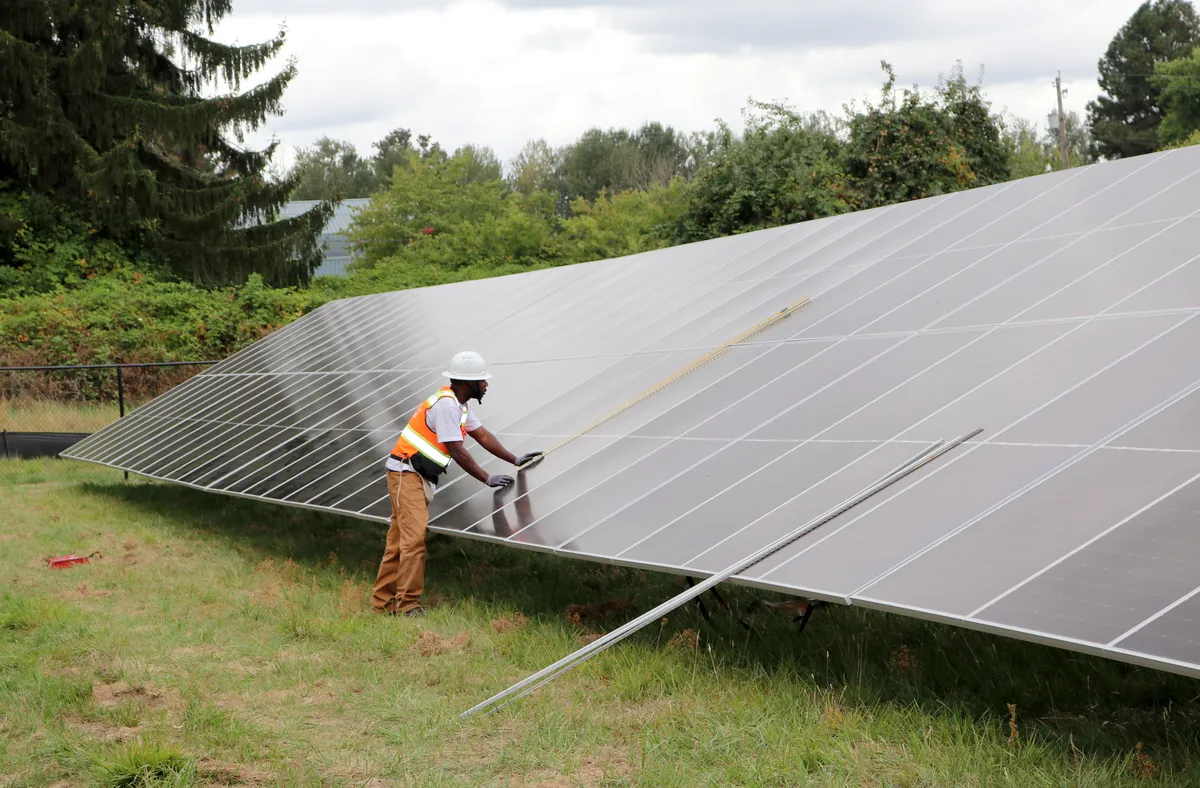
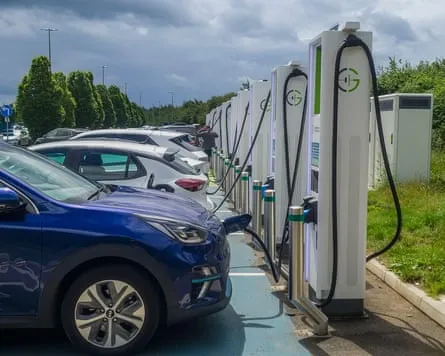
The numbers suggest some Europeans have already done the math. Electric vehicle sales across continental Europe jumped 51% in March, a surge that analysts are linking, at least in part, to the psychological shock of watching fuel supplies become a geopolitical football once again.
The 'hold your nerve' problem
Here is where it gets tricky. The Guardian's report notes that the real question is whether panicking governments can actually hold their nerve on clean energy commitments, rather than lurching back toward fossil fuel infrastructure as a short-term security blanket. History suggests this is not a given. The temptation to "secure" more oil supply often wins out over the slower, harder work of not needing it in the first place.
The irony is almost poetic: the very crisis that proves Europe's oil dependency is a liability could easily be used to justify doubling down on it.
Whether this moment becomes a genuine turning point or just another entry in the long, tragicomic history of "we really should do something about this" remains, for now, an open question.