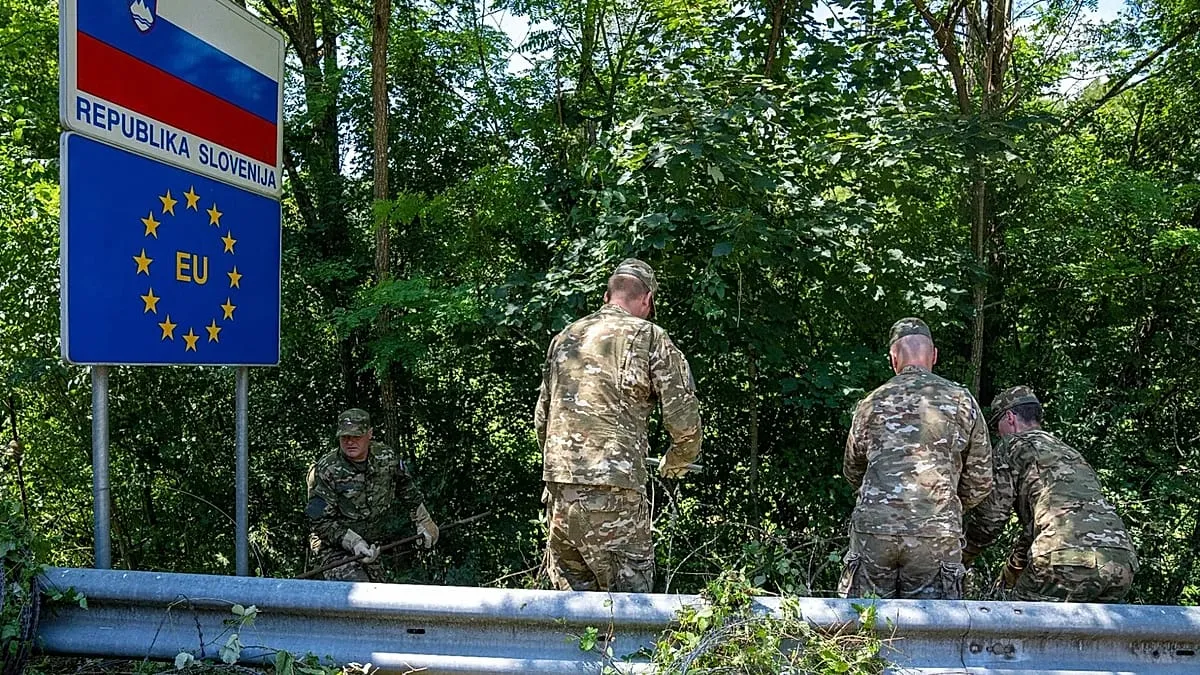
Four migrants were found dead near the Croatia-Slovenia border, according to police reports cited by Euronews. The discovery is the latest grim reminder that the so-called Balkan route - one of the most heavily travelled irregular migration corridors into the European Union - remains as deadly as ever.
A route that refuses to slow down
According to data from Frontex, the European border agency, more than 12,500 people have already attempted the Balkan route in 2025. That number tells you everything you need to know about the desperation that drives people to trek through rugged, unforgiving terrain across the Western Balkans and into EU territory - often at night, often without adequate food, water, or weather protection.
The Croatia-Slovenia stretch is particularly notorious. Dense forests, steep hills, and rivers make for treacherous conditions even for well-equipped hikers. For migrants traveling light and under pressure to avoid detection, it becomes something far more dangerous.
Why this keeps happening
The Balkan route has been a pressure point for European migration politics for over a decade. After the 2015-2016 peak, EU member states and Balkan countries ramped up border enforcement significantly - but that has largely served to push migrants onto riskier paths rather than stop the flows altogether.
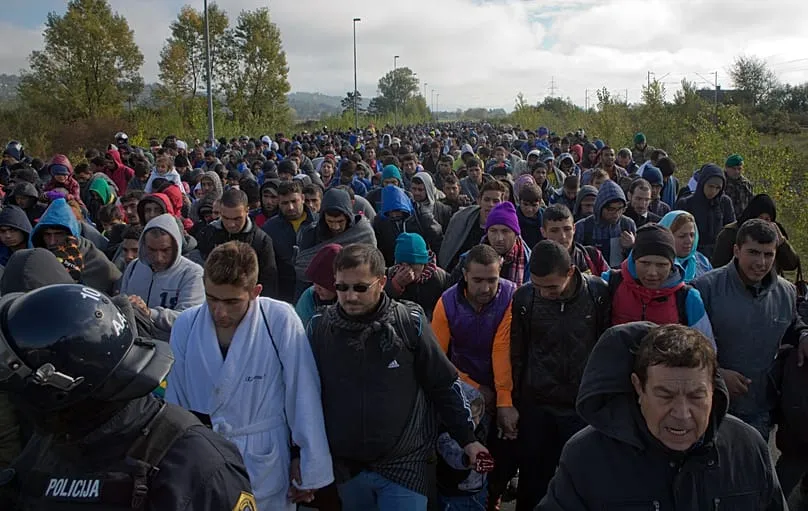
Croatia has faced repeated scrutiny and credible allegations from human rights organizations regarding pushbacks - the practice of forcibly returning migrants across the border without processing their asylum claims. Croatian authorities have consistently denied systematic wrongdoing, though independent monitoring groups have documented numerous incidents. It is important to note these remain contested claims and have not resulted in definitive legal findings against Croatian border authorities to date.
Numbers don't tell the whole story
Frontex tracking gives us a macro view of migration flows, but each data point in those 12,500 crossings is a person who packed up their life and gambled on reaching Europe. Four of those gambles ended in death near a stretch of border between two EU member states - countries that are, by any measure, among the safer and more prosperous places on earth.
No further details about the identities or nationalities of the four victims were immediately available, according to Euronews reporting. Investigations are presumably ongoing.
What is not under investigation, apparently, is why this keeps happening at the same locations, year after year. That one seems to have fallen off the agenda entirely.