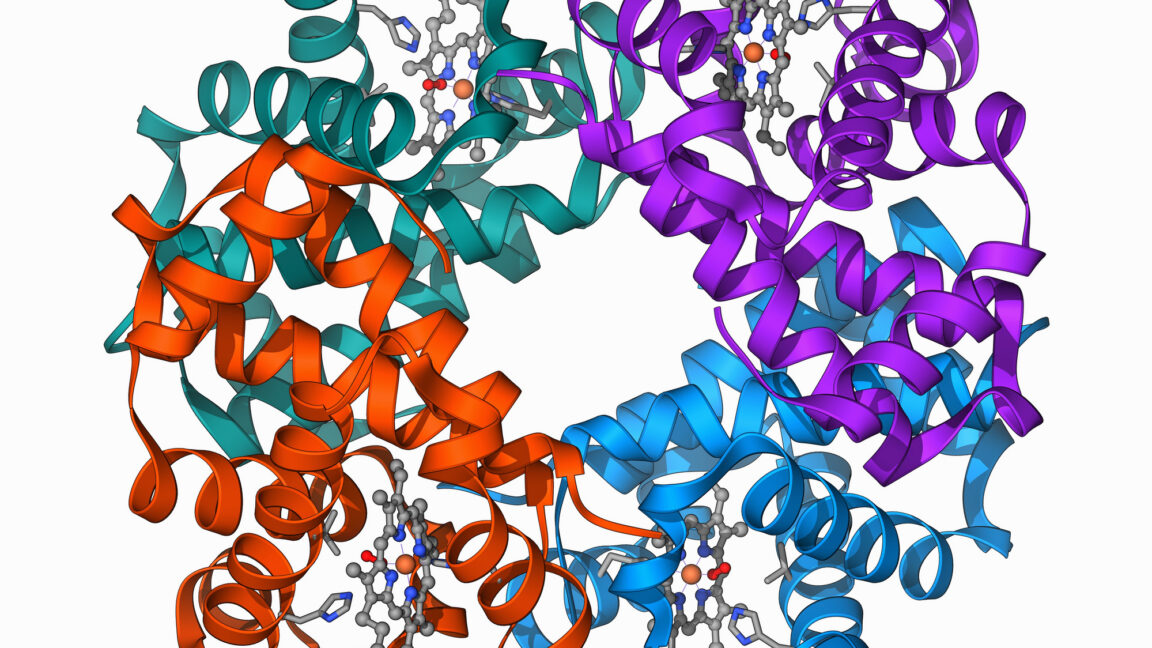
A clinical trial has demonstrated that gene editing can be an effective treatment for β-thalassaemia, a serious inherited blood disorder, according to findings reported by Ars Technica. The results add to a growing body of evidence supporting gene-based therapies for hemoglobin diseases.
The approach centers on reactivating the fetal version of a hemoglobin gene - a mechanism the body naturally shuts down shortly after birth. Researchers used an improved gene editing process to switch this fetal gene back on, compensating for the defective adult hemoglobin responsible for the disease.
What is β-thalassaemia?
β-thalassaemia is a hereditary condition in which the body produces insufficient or abnormal hemoglobin, the protein in red blood cells that carries oxygen. Patients with severe forms of the disease typically require frequent blood transfusions throughout their lives, placing a significant burden on both patients and healthcare systems.
The condition is caused by mutations in the beta-globin gene. Because the fetal form of hemoglobin - known as fetal hemoglobin, or HbF - is encoded by a different gene, it remains unaffected by those mutations. This has made the reactivation of fetal hemoglobin a long-standing target for researchers seeking alternatives to transfusion dependency.
Building on prior work
The trial results build on earlier breakthroughs in gene editing for related conditions. A similar strategy had previously shown efficacy in sickle cell disease, another hemoglobin disorder, prompting researchers to investigate whether the approach could be extended to β-thalassaemia patients.
According to the Ars Technica report, the gene editing process used in this trial represents an improvement over earlier methods, suggesting the field continues to refine its technical toolkit. The specifics of the editing mechanism involve targeting genetic switches that normally suppress fetal hemoglobin production in adults.
Significance for patients and the field
If confirmed through larger and longer-term studies, the findings could offer a potential functional cure for patients who currently face a lifetime of transfusions or, in some cases, bone marrow transplants - a procedure that carries its own significant risks and requires a compatible donor.
Gene editing therapies for blood disorders have attracted considerable scientific and commercial attention in recent years. In 2023, regulators in both the United States and the United Kingdom approved a gene therapy for sickle cell disease, marking a milestone in the application of CRISPR-based medicine. That approval was seen as a proof of concept that similar strategies could eventually address other hemoglobin conditions.
β-thalassaemia is particularly prevalent in parts of the Mediterranean, Middle East, South Asia, and Southeast Asia, meaning a successful gene therapy could have wide global health implications.
Caution remains
Clinical trials for gene therapies typically involve small numbers of patients in early phases, and researchers caution that longer follow-up data are needed to assess durability of effect and any long-term safety concerns. The costs associated with gene editing therapies have also been a point of discussion in the medical community, as early approved treatments in this space have carried price tags in the millions of dollars, raising questions about accessibility in lower-income countries where thalassaemia rates are highest.
The latest trial results nonetheless represent a significant step in translating laboratory-level gene editing advances into real-world treatments for patients with inherited blood disorders.