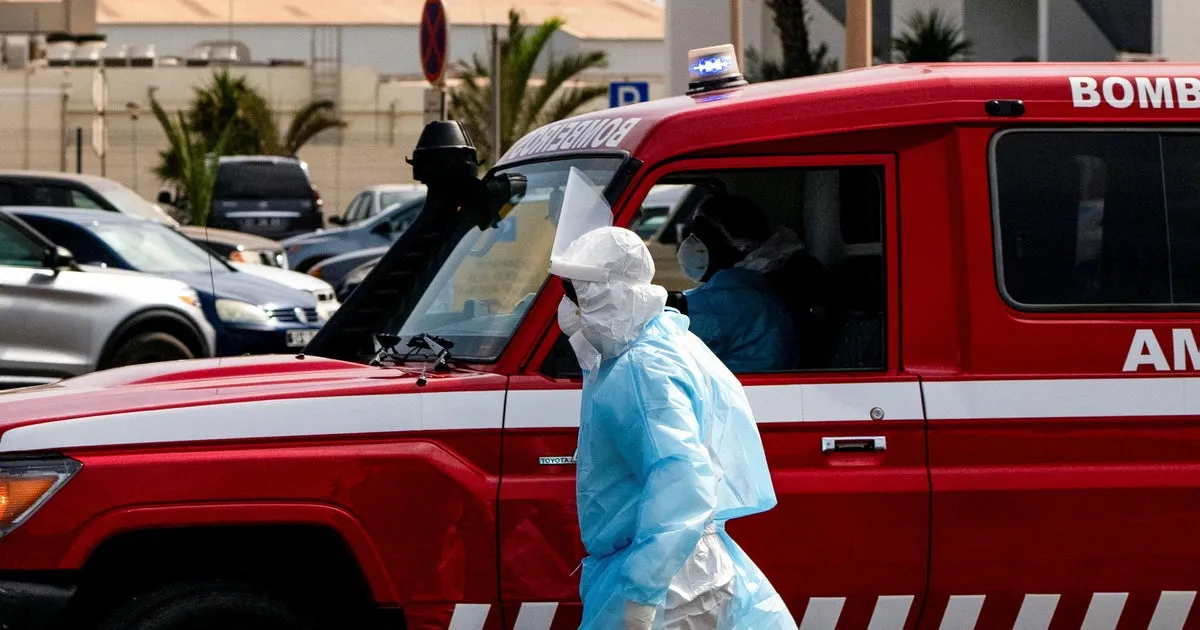
A cruise ship linked to a hantavirus outbreak has been turned away by the Canary Islands, with three passengers evacuated from the vessel amid growing international concern about the spread of the disease - according to CBS News.
If you thought the era of cruise ships making global health headlines was behind us, buckle up, because here we go again.

What we know so far
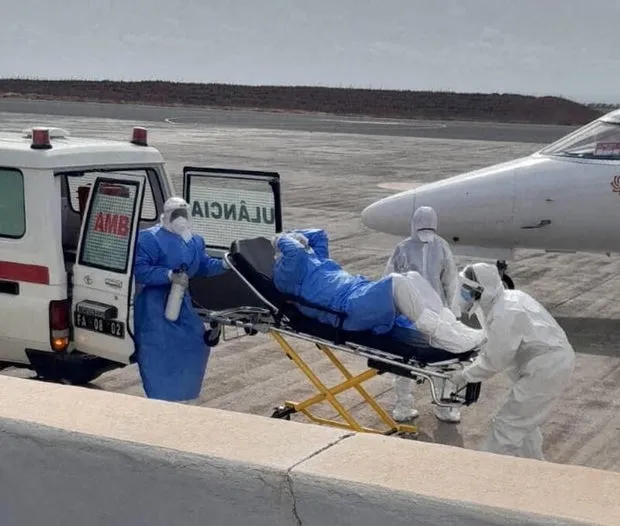
The Canary Islands authorities refused to allow the ship to dock, a decision that - for once - seems pretty hard to argue with. Three passengers were evacuated from the vessel as the situation developed, according to CBS News reporting.
The bigger headline buried in all of this? Human-to-human transmission of hantavirus has now been confirmed in both Switzerland and South Africa. That's a significant development, because hantavirus has historically been associated with transmission from rodents to humans - not person to person. The idea of it spreading between people is the kind of thing that makes epidemiologists put down their coffee and pay very close attention.
Why this actually matters
Hantavirus is not your average sniffly inconvenience. It can cause Hantavirus Pulmonary Syndrome (HPS), which carries a fatality rate that makes doctors genuinely nervous. The classic transmission route is through contact with infected rodent droppings, urine, or saliva - not exactly the kind of thing you expect to encounter on a cruise ship buffet, but here we are.
The confirmation of human-to-human spread in two geographically separate countries - Switzerland and South Africa - is the part of this story that deserves the most attention. It suggests this isn't a contained, isolated incident limited to a single exposure event.

The cruise ship angle
A cruise ship, of course, is essentially a floating petri dish with a pool deck and a casino. Close quarters, shared ventilation, and thousands of people from different countries mingling freely - it's the dream scenario for nobody in public health. The Canary Islands' decision to reject the vessel is a precautionary move that health officials will likely be watching closely as a case study in outbreak response.
As of reporting by CBS News, investigations are ongoing and authorities in multiple countries are monitoring the situation.
No word yet on whether travel insurance covers "ship rejected by entire island chain due to emerging infectious disease." Probably fine print territory.