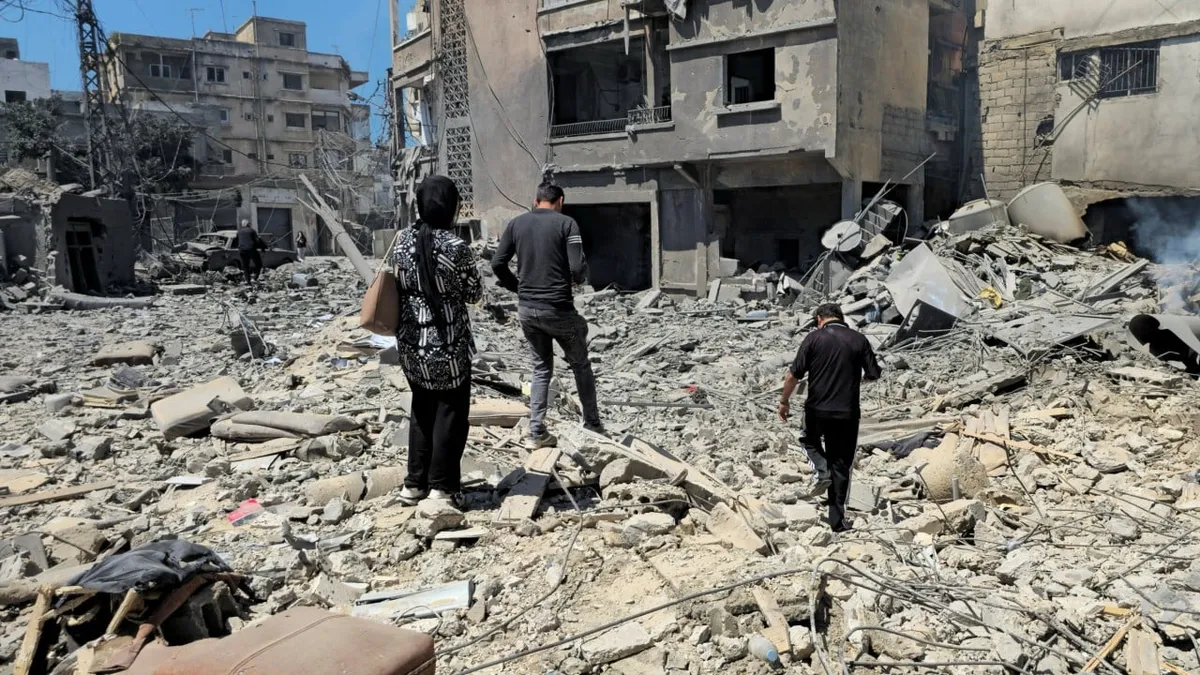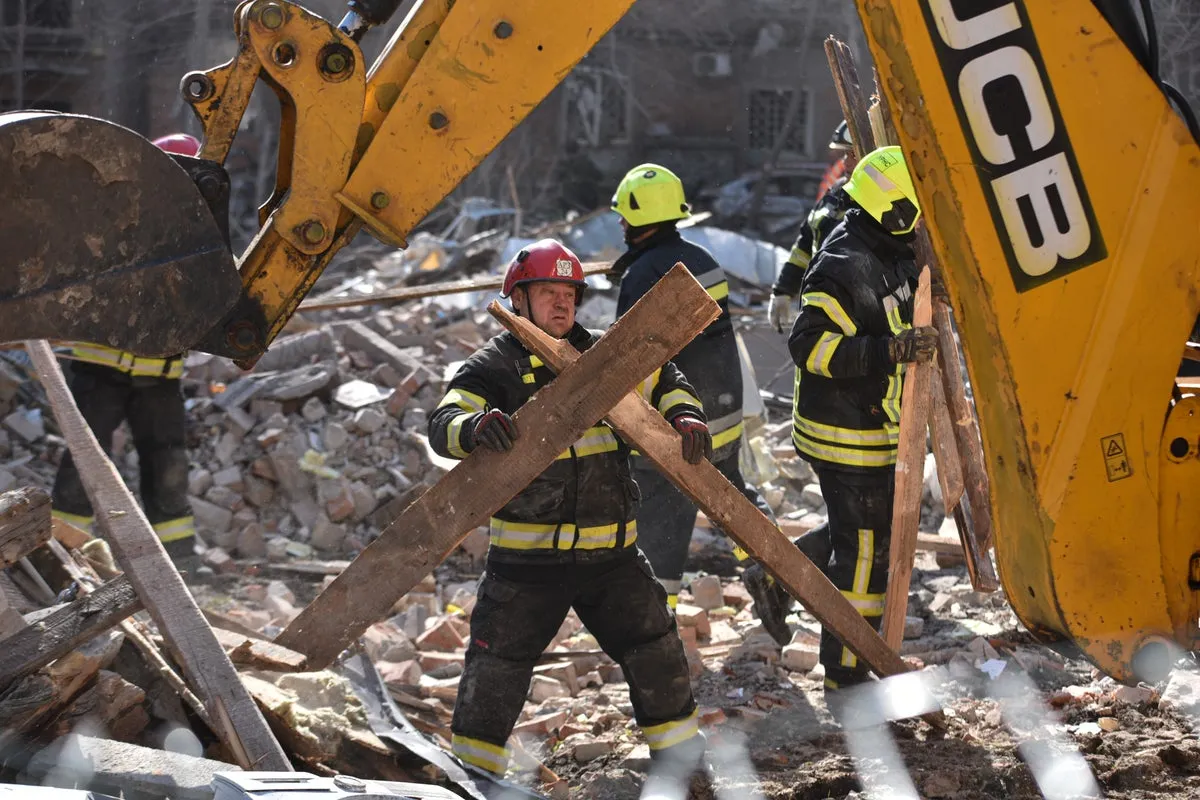
In a move that not even the most pessimistic historians could have predicted as a fitting tribute, the 39th anniversary of the Chernobyl nuclear disaster has been marked not with solemn reflection, but with a fresh round of deadly strikes across Ukraine, Russian-occupied territories, and Russia itself.
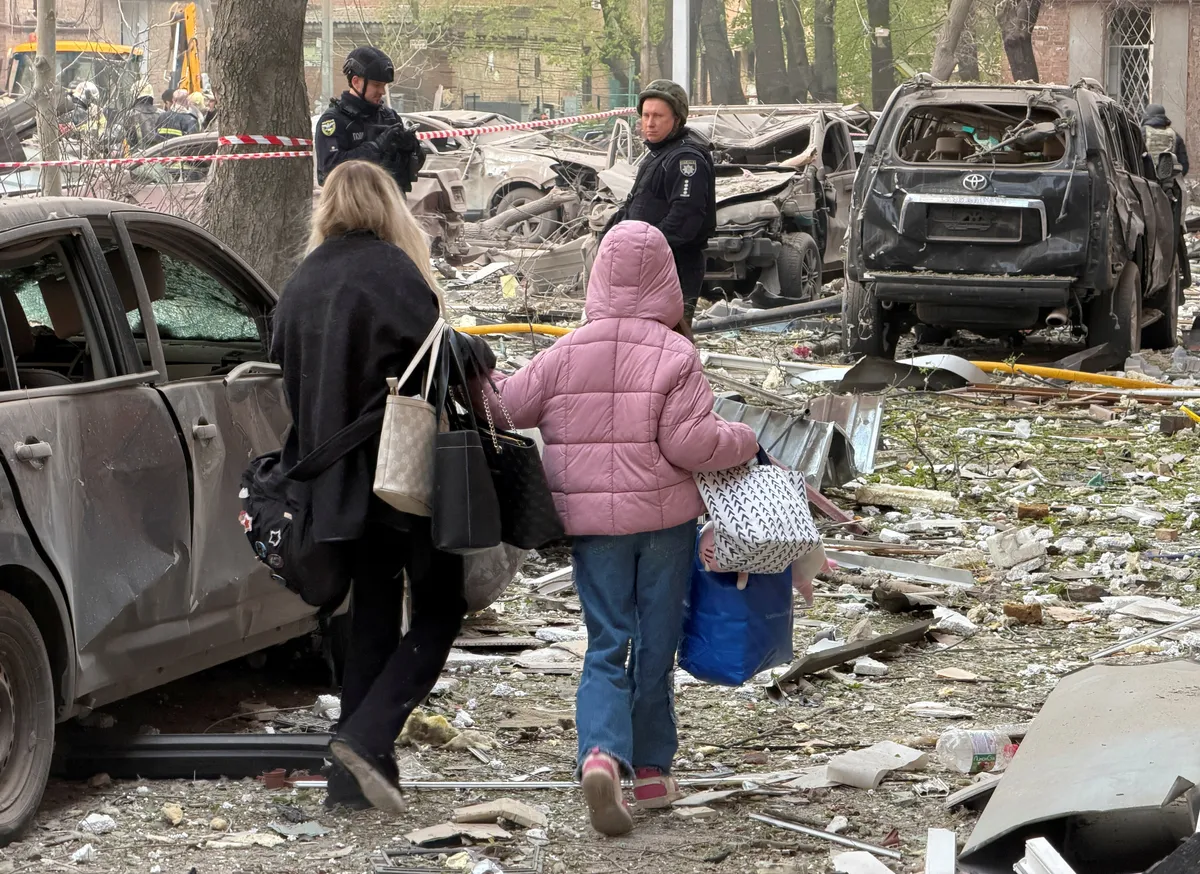
At least 16 people were killed over the weekend as both sides exchanged drone and missile strikes, according to local authorities cited by The Independent. Because apparently the universe has a very dark sense of humour.
What happened, exactly?
The strikes hit multiple locations across the warzone, with casualties reported on both sides of the front line. Local officials confirmed the deaths, though the full picture of damage and casualties was still emerging as reports came in over the weekend.
The timing - falling on or around April 26, the date in 1986 when reactor No. 4 at the Chernobyl Nuclear Power Plant exploded and triggered the worst nuclear disaster in history - has renewed anxious conversations among nuclear safety observers about the risks that prolonged conflict near nuclear infrastructure poses to the wider region.

The Chernobyl shadow looms large
The anniversary is not just symbolic footnote material. Ukraine operates several active nuclear power plants, and the Zaporizhzhia facility - Europe's largest - has been under Russian control since early in the war, repeatedly drawing warnings from the International Atomic Energy Agency (IAEA) about safety risks. The IAEA has consistently flagged concerns about shelling near the plant and the reliability of its power supply, which is critical for cooling systems.
Nuclear experts and international observers have been sounding the alarm for months, arguing that the world is sleepwalking toward a potential radiological incident simply because the slow-burn risk lacks the dramatic immediacy of a missile strike on a city.
A grim anniversary scoreboard
To recap: 39 years after a catastrophic nuclear meltdown that contaminated vast swathes of Europe and displaced hundreds of thousands of people, the country where it happened is still at war, nuclear plants are caught in the crossfire, and the weekend death toll has hit double digits.
The strikes continue. The diplomacy does not.
Whether this anniversary prompts any renewed international urgency around nuclear safety in conflict zones remains, at best, optimistic speculation. At worst, it is just another grim date on a very grim calendar.