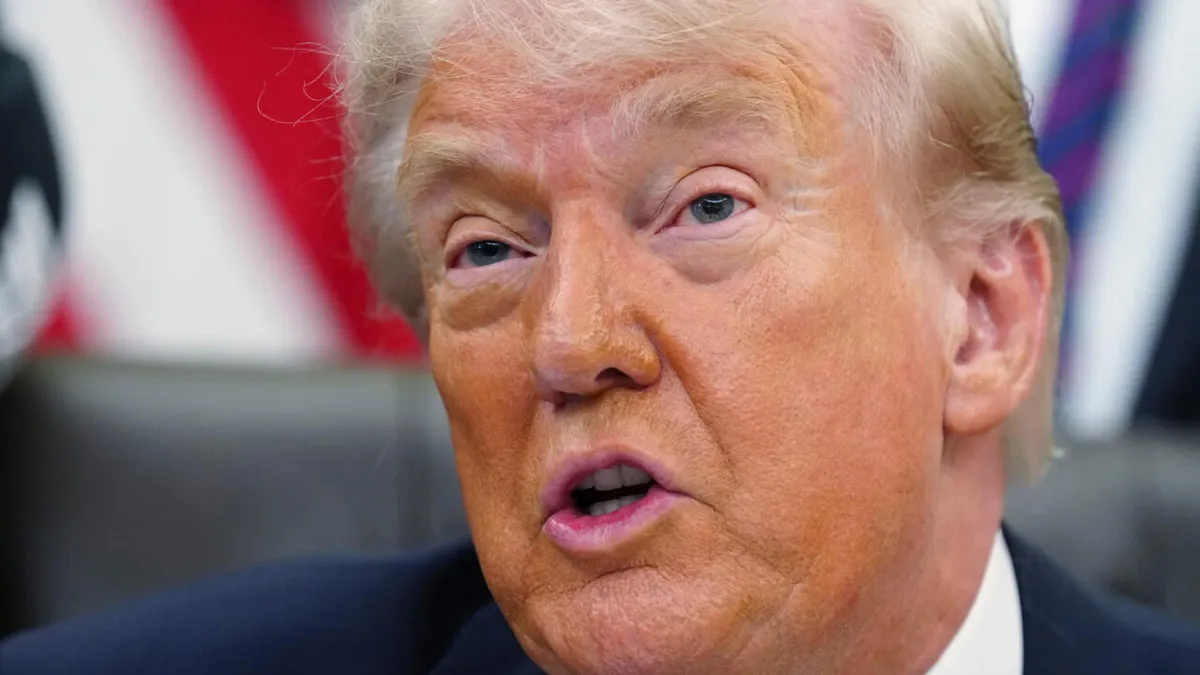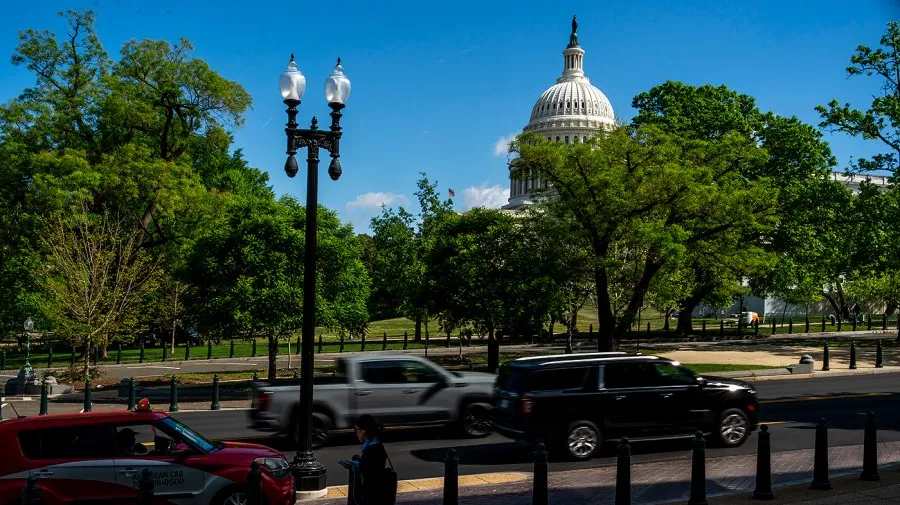
In a move that would make your high school civics teacher weep, the House of Representatives punted Thursday on a Democratic-led war powers resolution that sought to put the brakes on President Trump's ability to take unilateral military action against Iran - reportedly because Republicans couldn't get enough bodies in the room, according to The Hill.
Yes, you read that correctly. One of the most consequential constitutional questions in modern American politics - who gets to decide whether the U.S. goes to war with Iran - got delayed over a headcount problem. Democracy, folks.
What's actually at stake here
The resolution, pushed by House Democrats, would have invoked the War Powers Act to limit the president's authority to launch military operations against Iran without explicit congressional approval. It's a pretty big deal, constitutionally speaking - the kind of thing the Founding Fathers were deeply nerdy and serious about when they split war-making powers between the executive and legislative branches.
Trump and Republican leaders have pushed back hard, arguing the president holds unilateral authority to confront Tehran militarily. GOP leaders have also warned - with varying degrees of alarm - that pulling back now could effectively hand Iran a strategic win by signaling American hesitation.
The 'attendance issues' defence
According to The Hill's reporting, House Republicans appear to have engineered the delay due to attendance concerns - meaning they weren't confident they had enough votes present to kill the resolution outright. So rather than risk losing the floor vote, leadership simply... didn't hold it. A classic "if you can't win, don't play" maneuver that would get you laughed out of a kindergarten debate club, but apparently works just fine in Congress.
Why this matters beyond the political theatre
Underneath the procedural farce lies a genuinely serious constitutional tension. The War Powers Resolution of 1973 was specifically designed to prevent presidents from dragging the country into prolonged military conflicts without congressional sign-off - a direct response to the Vietnam era. Decades later, the battle over who actually controls that red button remains very much unresolved.
With U.S.-Iran tensions simmering at their usual volcanic level, the question of whether Trump can act militarily without a congressional green light isn't just a procedural footnote - it's the kind of thing that tends to matter quite a lot when missiles start flying.
The vote is expected to be rescheduled, because apparently democracy gets a rain check when the parking lot isn't full enough.