After two years of playing the role of Europe's most stubborn speed bump, Hungary has finally lifted its veto on Ukraine's EU accession - and according to an exclusive Euronews account, the diplomatic gymnastics required to get there were nothing short of spectacular.
The world's longest diplomatic staring contest
For roughly 24 months, Hungarian Prime Minister Viktor Orbán effectively held Ukraine's EU membership ambitions hostage, wielding Budapest's veto power like a personal remote control for the entire European project. While the rest of the bloc was broadly enthusiastic about bringing Kyiv into the fold - particularly after Russia's full-scale invasion reshuffled everyone's geopolitical priorities - Hungary kept pressing pause.
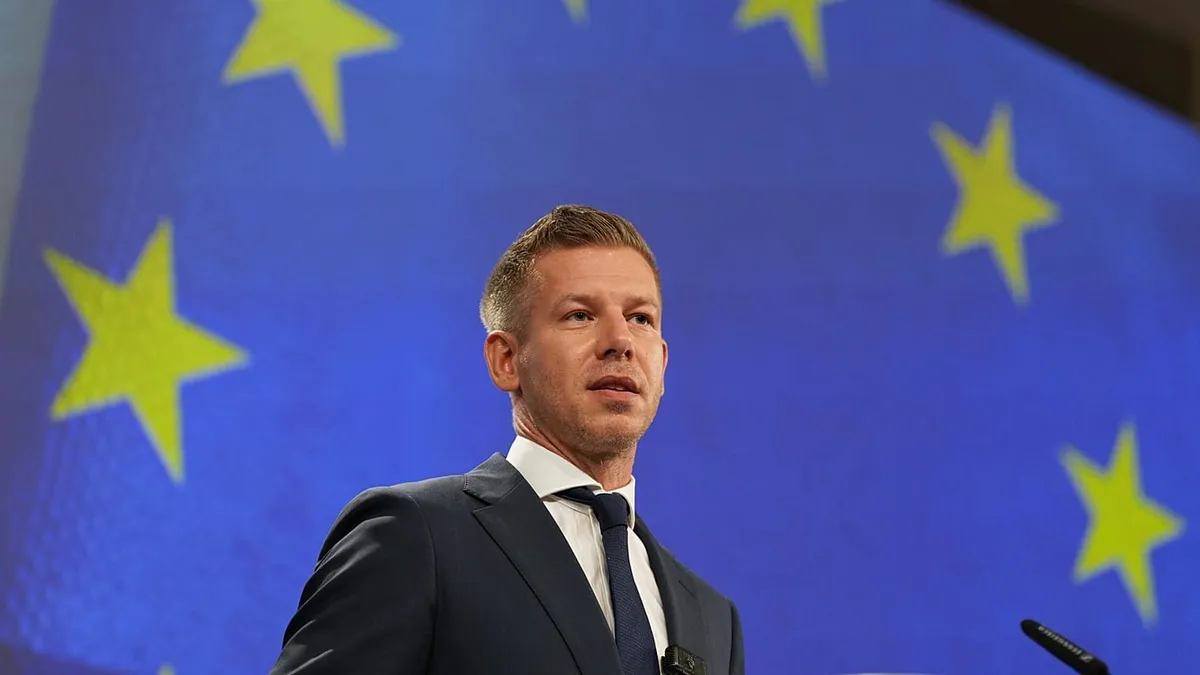
Euronews reports that what eventually broke the deadlock was a prolonged and intense back-and-forth negotiation, the details of which had been kept carefully under wraps until now. The source material describes the process as a genuine tug-of-war, suggesting Hungary did not simply wake up one morning and decide to play nice.
So what actually happened?
While the full granular detail of every concession and counter-offer remains the subject of the Euronews exclusive, the reporting confirms that the resolution required serious engagement from multiple parties - not just a polite phone call and a handshake. This was a deal, in the most transactional sense of the word.
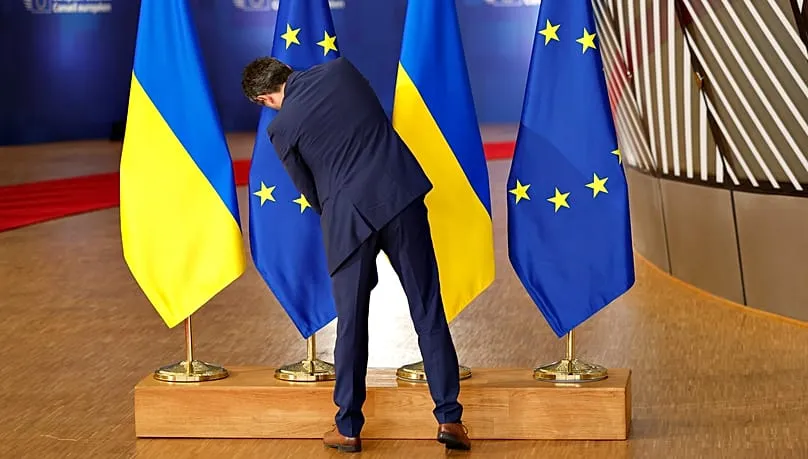
Orbán has long maintained a uniquely cosy relationship with Moscow compared to his EU counterparts, which made his position on Ukraine accession politically loaded well beyond standard bureaucratic obstruction. Critics argued he was doing Vladimir Putin's diplomatic dirty work from inside the EU tent. Supporters framed it as defending Hungarian national interests and demanding proper reform guarantees from Kyiv.
Why it matters
Ukraine's EU accession path is enormously symbolic - it represents a geopolitical realignment that would formally anchor the country within the Western bloc's economic and legal framework. A membership process that was being strangled in its crib by one member state was both a PR disaster for EU unity and a practical obstacle to Kyiv's long-term reconstruction and reform agenda.
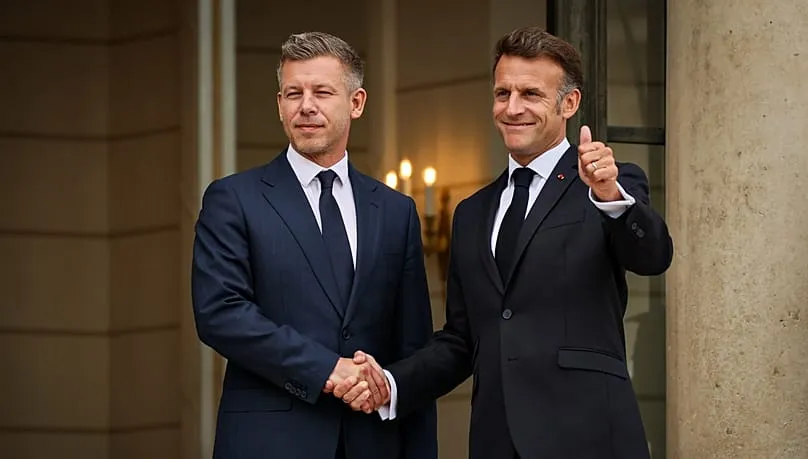
With Hungary's veto now lifted, the accession process can move forward - though "moving forward" in EU bureaucratic terms still means years of negotiations, benchmarks, and the kind of paperwork that would make even the most dedicated civil servant weep quietly at their desk.
Whether Orbán extracted meaningful concessions or simply read the room after two years of mounting pressure remains, for now, the juicy question the full Euronews account sets out to answer.