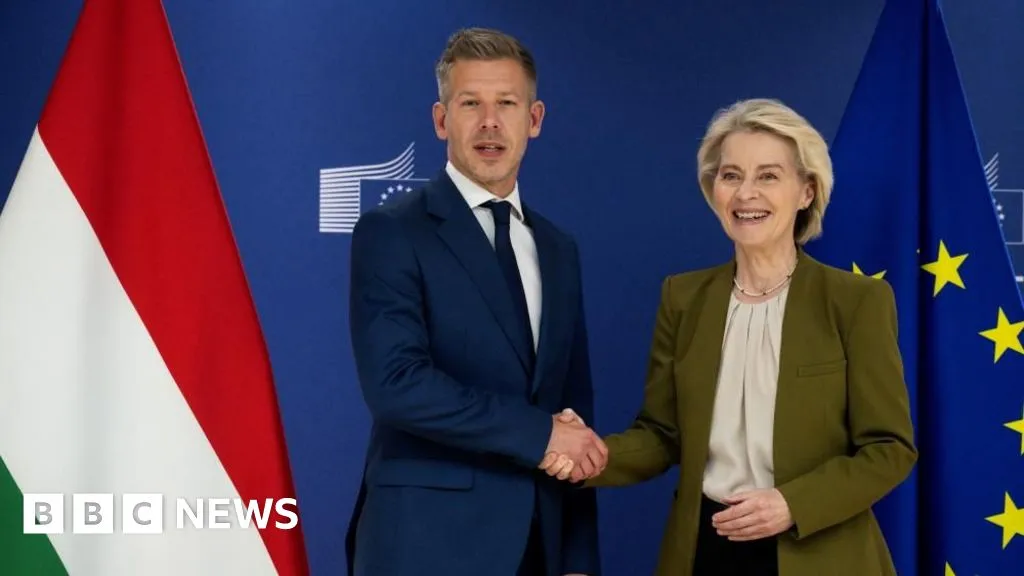
In what might be the most optimistic trip to Brussels since someone brought a suitcase expecting to leave with a fully approved budget, Hungary's likely next prime minister Péter Magyar has returned from his first official visit to EU leadership with a surprisingly upbeat message: those frozen European funds? Yeah, they're coming.
Magyar, whose Tisza party pulled off a landslide election victory that sent shockwaves through Hungarian politics - and presumably through Viktor Orbán's morning routine - met with top EU officials in Brussels for the first time in his capacity as the country's premier-in-waiting, according to the BBC.
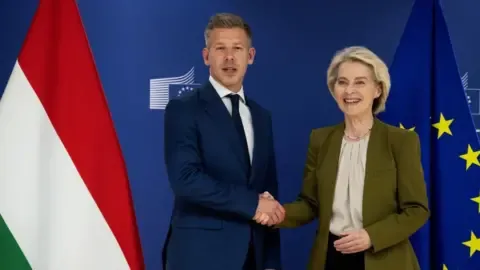
So what actually happened?
The visit was significant for a few reasons. First, it signals that the EU is already rolling out the welcome mat for a post-Orbán Hungary - at least in terms of conversation. Second, Magyar came out of the meetings claiming that the billions in EU funds that Brussels froze over Hungary's rule-of-law concerns are likely to be unlocked in the near future.
Now, to be clear: this is Magyar's characterization of the meetings, not a signed, sealed, and notarized EU press release. The European Commission has not yet made a formal announcement on fund releases, so let's keep the champagne corked for just a moment.
Why were the funds frozen in the first place?
The EU froze a substantial chunk of Hungary's allocated funds - we're talking billions of euros - over concerns about democratic backsliding, judicial independence, and corruption under Orbán's long rule. It was basically Brussels' version of cutting off the WiFi until someone cleans their room.
Magyar and Tisza campaigned heavily on restoring Hungary's relationship with the EU and, well, cleaning the room. The landslide result suggests Hungarian voters were fairly on board with that general direction.
What happens next?
Magyar hasn't formally taken office yet, so right now we're in that delightful political limbo where everyone is optimistic and no one has had to make any hard decisions. The real test will come once he's actually sitting in the prime minister's chair and has to negotiate the specifics of fund releases with Brussels - a process that involves rather a lot of paperwork, conditions, and bureaucratic patience.
Still, the optics of his first Brussels visit are genuinely promising. EU officials meeting with Hungary's opposition-turned-government-in-waiting this early suggests Brussels is eager to turn the page on years of acrimonious Orbán-era standoffs.
As the BBC reports, this is the first such meeting since Tisza's electoral win, making it a notable diplomatic debut for Magyar on the European stage.