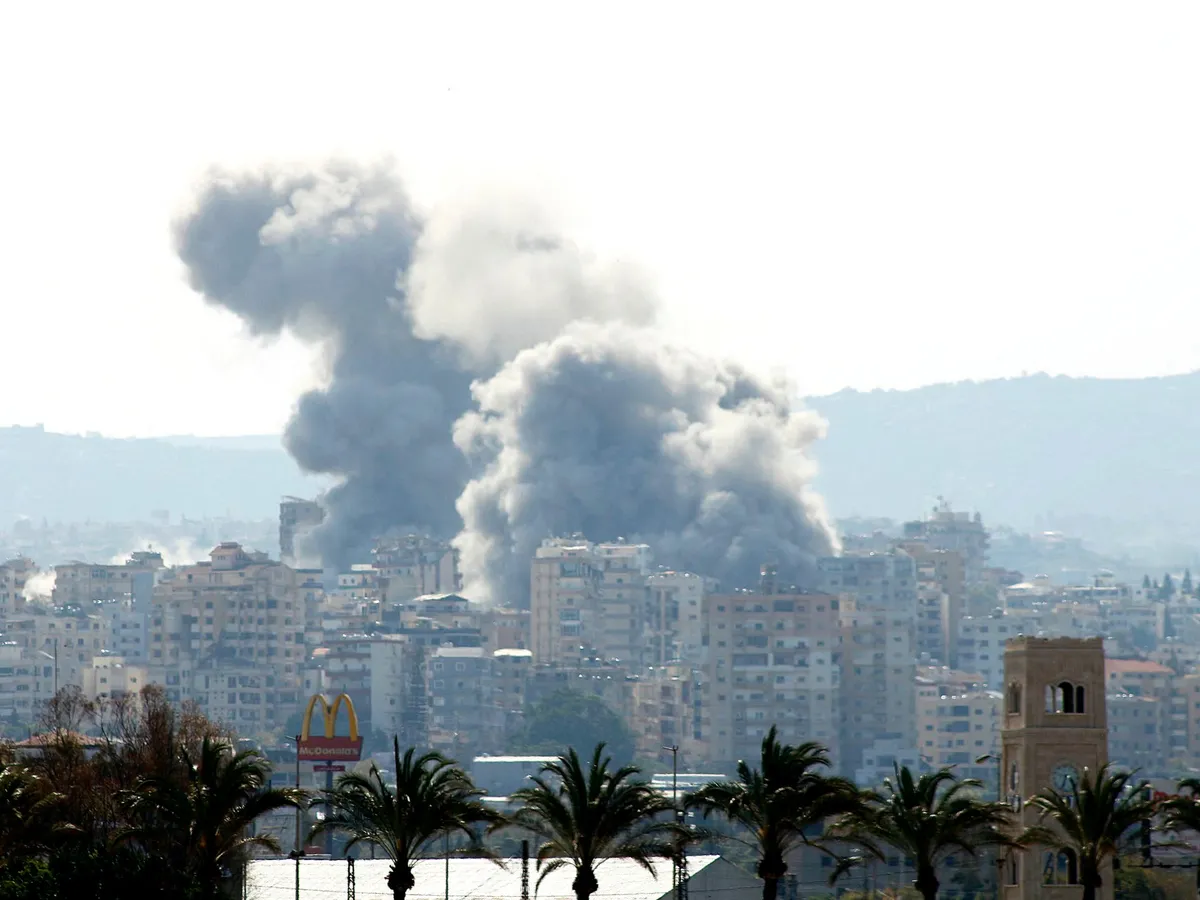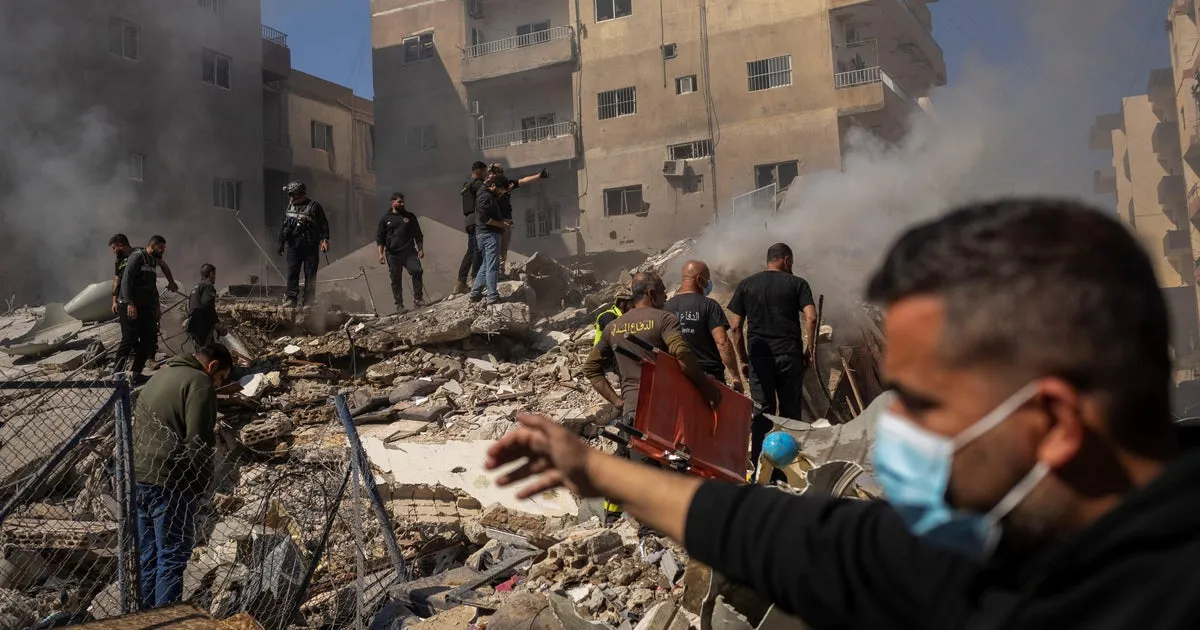
Iran has accused the United States of violating a ceasefire agreement announced by President Donald Trump, as Israeli military operations in Lebanon continued following the deal's declaration, according to CBS News.
Tehran's accusation centers on ongoing Israeli attacks against Hezbollah targets in Lebanon, which Iranian officials say contradict the terms of the agreement brokered under U.S. involvement. Iran has framed the continued strikes as a breach of commitments made by Washington.
Strait of Hormuz remains under Iranian influence
Alongside the diplomatic dispute, Iran appears to retain effective control over shipping traffic in the Strait of Hormuz, the critical waterway through which a significant portion of the world's oil supply passes. The strait's status carries substantial economic and strategic implications for global energy markets and U.S. naval operations in the region.
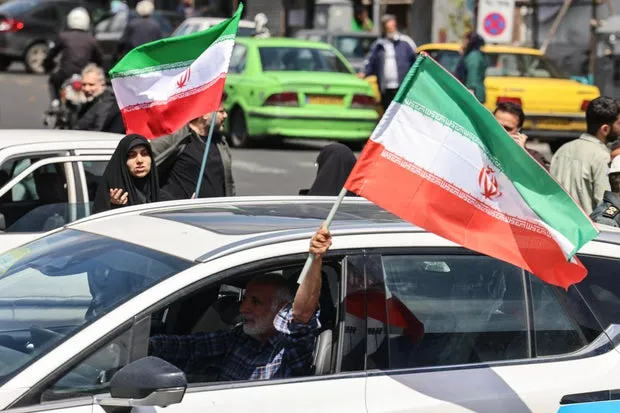
Iran's continued influence over the strait gives Tehran significant leverage in any broader negotiations, as disruption to shipping there could send oil prices sharply higher and affect economies worldwide.
Ceasefire terms in dispute
The precise terms of the ceasefire agreement, as well as what enforcement mechanisms exist, remain unclear based on available reporting. The competing characterizations from Iranian and U.S. officials highlight the fragile and contested nature of any understanding reached between the parties.
Israel has not publicly accepted Iranian framing of the situation. Israeli military operations against Hezbollah in Lebanon have continued, with Israeli officials historically maintaining that such operations target militant infrastructure rather than constituting violations of diplomatic arrangements involving Iran directly.
The situation reflects the complicated web of relationships among the key actors - the United States, Israel, Iran, and Hezbollah - where bilateral agreements between two parties do not necessarily bind the others, and where each side interprets commitments differently.
Broader regional context
The dispute comes amid a prolonged period of heightened tensions across the Middle East. Iran has long supported Hezbollah financially and militarily, viewing the Lebanese militant group as a key component of its regional influence strategy. Israel considers Hezbollah a direct threat to its security and has conducted repeated strikes against the group's assets.
CBS News reported that the situation remains fluid, with Iran's posture on both the ceasefire allegations and the Strait of Hormuz signaling that Tehran is not prepared to stand down from its regional positions despite diplomatic activity at the highest levels of the U.S. government.