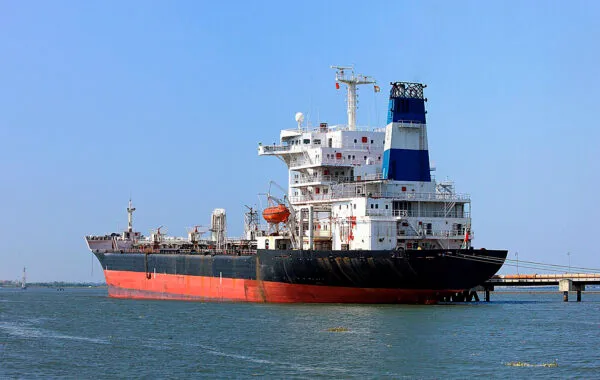
Imagine waking up one day and finding out that someone has decided to put a literal toll booth on the highway that carries 20% of the world's oil supply. That is essentially what Iran is proposing for the Strait of Hormuz, and India - one of the world's biggest energy importers - is reportedly not thrilled about it.
The toll booth nobody asked for
According to a report by The Diplomat, Iran has been floating plans to levy charges on every vessel that passes through the Strait of Hormuz, the narrow waterway between Iran and Oman through which a staggering share of global energy supplies flows daily. The move would effectively turn one of the planet's most critical maritime chokepoints into a revenue stream for Tehran.
New Delhi's discomfort reportedly stems from its strong support for the United Nations Convention on the Law of the Sea (UNCLOS), which guarantees the right of "transit passage" through international straits - meaning ships should be able to pass freely without paying anyone a rupee, a rial, or anything else.
India's awkward position
India's situation here is genuinely complicated. On one hand, New Delhi has carefully maintained diplomatic ties with Tehran, particularly given India's significant energy interests in the region and its investments in Iran's Chabahar port. On the other hand, allowing Iran to essentially monetize a key international waterway would set a precedent that cuts against the very international maritime law framework India champions - especially relevant given its ongoing disputes with China in the South China Sea.
If India stays quiet while Iran installs its metaphorical tollgate on Hormuz, Beijing could theoretically cite the same logic for its own maritime ambitions. That is not a chess move New Delhi wants to enable.
Why this matters beyond the subcontinent
The Strait of Hormuz is not just India's problem. A toll regime there would affect energy prices globally, hitting importers from Japan to Germany. It would also represent a fairly dramatic challenge to the post-World War II international maritime order that major naval powers have spent decades defending.
Whether Iran's plan is a serious policy proposal or a negotiating tactic in the broader context of its tensions with the West remains, according to The Diplomat, an open question. But for India, sitting on the fence is getting increasingly uncomfortable.
New Delhi has so far not made any loud public statements on the matter, which is itself a kind of answer - the diplomatic equivalent of awkwardly pretending not to notice something at a dinner party while internally screaming.