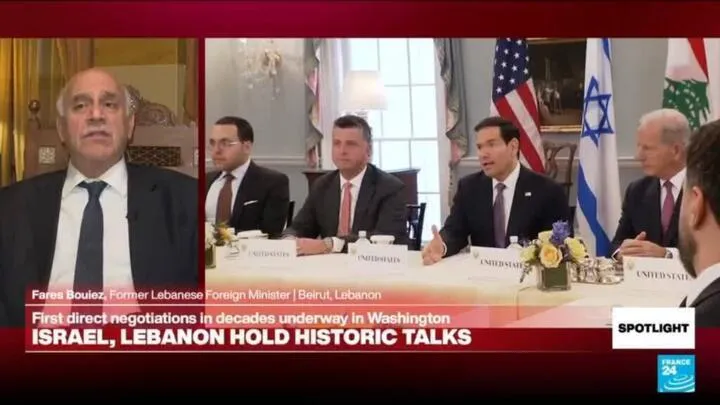
Progress in peace negotiations between Israel and Lebanon will depend heavily on incremental confidence-building measures rather than dramatic breakthroughs, according to a regional security analyst interviewed by France 24.
Bilal Y. Saab, Senior Managing Director of TRENDS Research and Advisory, described Lebanon as standing at a critical crossroads, with its government demonstrating a commitment to reform and a fundamentally sovereign, pro-Lebanese orientation that rejects outside interference.
However, Saab identified Hezbollah as the central and enduring obstacle to any meaningful normalization. The Iran-backed armed group, he noted, operates as a hybrid actor embedded across Lebanon's political institutions, military structures, and economic sectors - making it uniquely difficult to address through conventional diplomatic or security approaches.
Gradualism over confrontation
Rather than calling for an abrupt or forceful dismantling of Hezbollah's influence, Saab advocated for a peaceful, gradualist strategy. This approach, he argued, would better reflect the complex realities on the ground and reduce the risk of destabilizing a country that has already endured years of political paralysis, economic collapse, and conflict.
The analyst's comments come amid broader international efforts to solidify a fragile ceasefire between Israel and Hezbollah forces in southern Lebanon. Western governments and regional actors have pressed Beirut to assert greater state authority over its territory, particularly in areas where Hezbollah has historically maintained a strong presence.
Reform commitments under scrutiny
Lebanon's new government has signaled intentions to pursue economic and institutional reforms, moves that international creditors and Western partners have long demanded as conditions for financial assistance. Whether those commitments translate into concrete action - and how they interact with the sensitive question of Hezbollah's role in Lebanese society - remains a closely watched question.
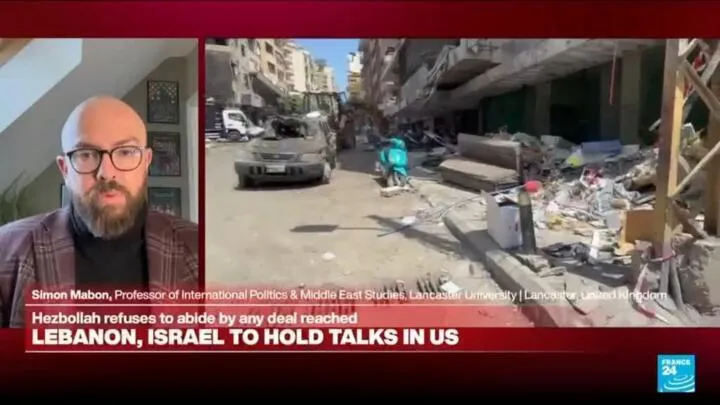
Saab's analysis, shared in an interview hosted by Angela Diffley for France 24, underscores the view that lasting stability in Lebanon cannot be separated from the broader regional dynamics involving Israel, Iran, and the future of armed non-state actors in the Middle East.
No timeline was offered for when substantive negotiations might advance, with the pace of progress tied, in Saab's assessment, to the accumulation of trust between parties rather than any single political development.