Military strikes continued across the Middle East on Wednesday despite a two-week ceasefire agreement between the United States and Iran, as disputes emerged over the scope of the deal and tensions remained high across the region, according to CBS News.
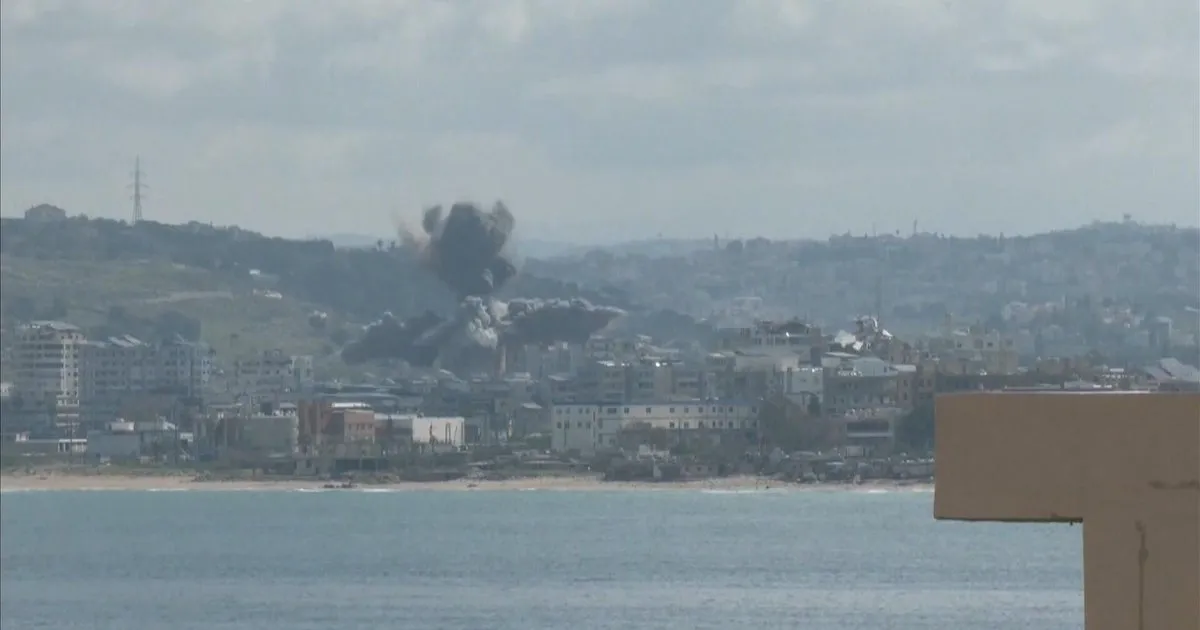
Israel said it struck approximately 100 Hezbollah targets in Lebanon within a 10-minute window on Wednesday, a significant military operation that drew immediate scrutiny given the active ceasefire framework.
A dispute over what the ceasefire covers
The strikes exposed a sharp disagreement among key parties over the terms of the agreement. Pakistani officials, who played a central role in brokering the ceasefire, said the deal was intended to include Lebanon and its armed groups. Both the Israeli government and the White House rejected that interpretation, indicating they do not view operations against Hezbollah in Lebanon as a violation of the Iran ceasefire.
The conflicting positions leave the ceasefire's boundaries ambiguous, raising questions about its durability and the ability of mediating parties to enforce a shared understanding of its terms.
Hormuz closure persists
Adding further strain to regional stability, Iran has stated that the Strait of Hormuz remains closed. The strait is one of the world's most critical maritime chokepoints, through which a significant portion of global oil supplies pass. Its continued closure carries potential consequences for international energy markets and global shipping, even amid the pause in direct hostilities between the United States and Iran.
Search for a long-term agreement
Officials from multiple countries are reported to be working toward a longer-term peace arrangement that would address the broader web of conflicts fueling instability in the region. The current two-week ceasefire is widely understood to be a temporary measure rather than a resolution, with negotiations ongoing.
The situation reflects the layered complexity of Middle East conflicts, where a ceasefire between two parties - in this case the United States and Iran - does not automatically halt hostilities involving allied or proxy forces operating across multiple countries.
CBS News correspondent Nancy Cordes reported on the latest developments as diplomats and military officials worked to clarify the terms of the existing agreement and chart a path toward more durable stability.