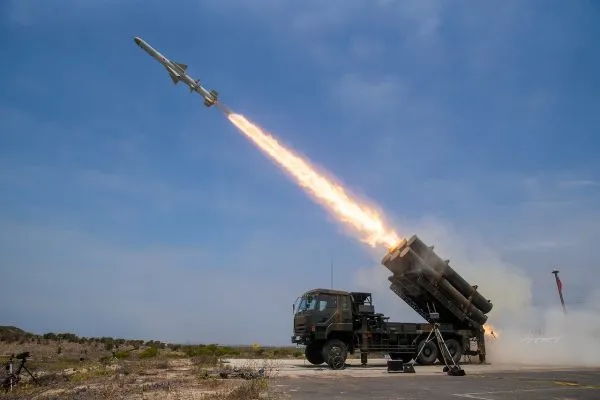
For roughly eight decades, Japan has clung to its postwar pacifist identity like a security blanket stitched together from constitutional guilt and Cold War pragmatism. No lethal weapons exports. Full stop. It was one of the most ironclad self-imposed restrictions any major industrial nation ever placed on itself - and now it's gone.
According to a detailed analysis published by The Diplomat, Japan's Cabinet has formally lifted the ban on exporting lethal arms, a move the outlet describes as a seismic shift that requires understanding both the country's historical baggage and the rapidly deteriorating security environment around it.
Why this is a genuinely big deal
To appreciate the weight of this decision, you have to go back to 1967, when Prime Minister Eisaku Sato first codified Japan's arms export restrictions into policy. The rules were later tightened further in 1976. The underlying logic was simple and born from trauma: Japan had militarized aggressively in the first half of the 20th century, it ended badly for basically everyone involved, and the country wasn't going to let its defense industry become a pipeline for global conflict again.
That self-restraint became a cornerstone of Japan's postwar identity - part pacifist principle, part diplomatic branding, and part constitutional obligation under the famous Article 9, which renounces war as a sovereign right.
So what changed?
Quite a lot, according to The Diplomat's analysis. The international environment Japan is operating in today looks nothing like the relatively stable post-Cold War order the export bans were designed for. China's military expansion, North Korea's missile program running on what feels like a weekly launch schedule, and Russia's full-scale invasion of Ukraine have collectively convinced Tokyo that passive pacifism has an expiry date.
Japan has been incrementally loosening these restrictions for years - first allowing the export of defense equipment and technology under revised guidelines in 2014, then permitting the transfer of Patriot missile components to the United States. The Cabinet's latest decision represents the most dramatic step yet, formally opening the door to lethal arms exports as a tool of foreign policy and alliance management.
The historical irony is not lost on anyone
There is something almost poetic - or deeply unsettling, depending on your vantage point - about Japan, the only nation ever subjected to nuclear attacks in wartime, becoming an arms exporter. Supporters argue it makes Japan a more capable and credible ally in an unstable world. Critics worry it chips away at the moral architecture Japan spent generations constructing.
Either way, The Diplomat is right that this isn't just a defense procurement story. It's a civilizational pivot - and the reverberations will be felt far beyond Tokyo.