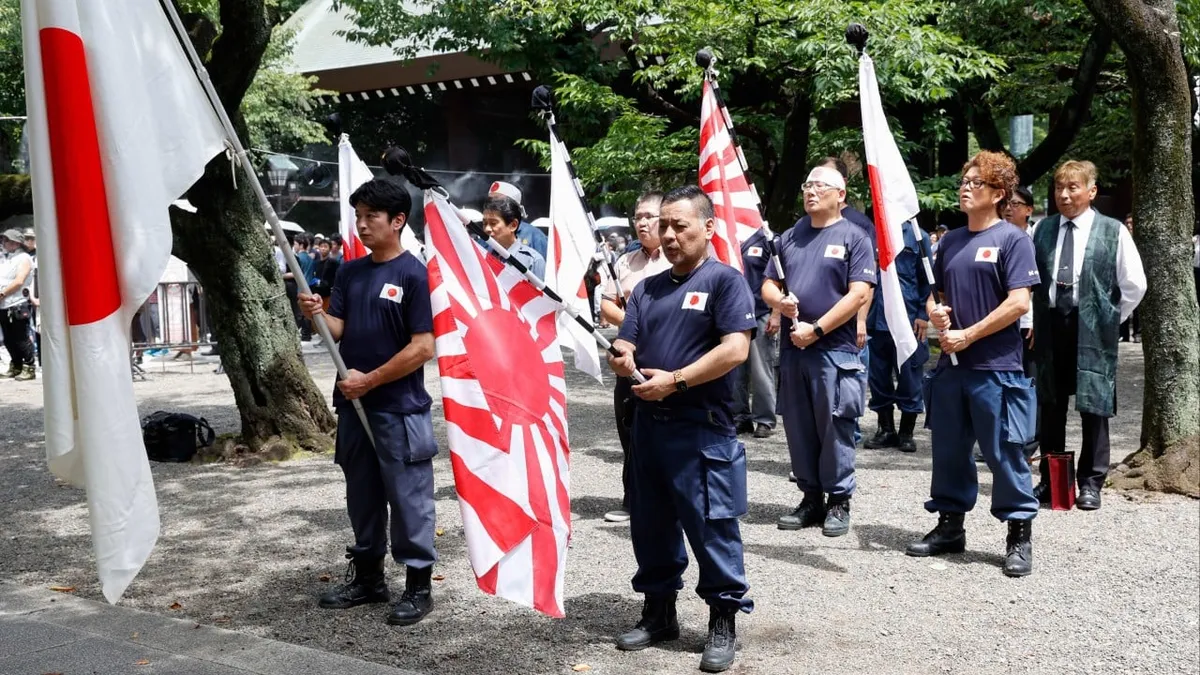
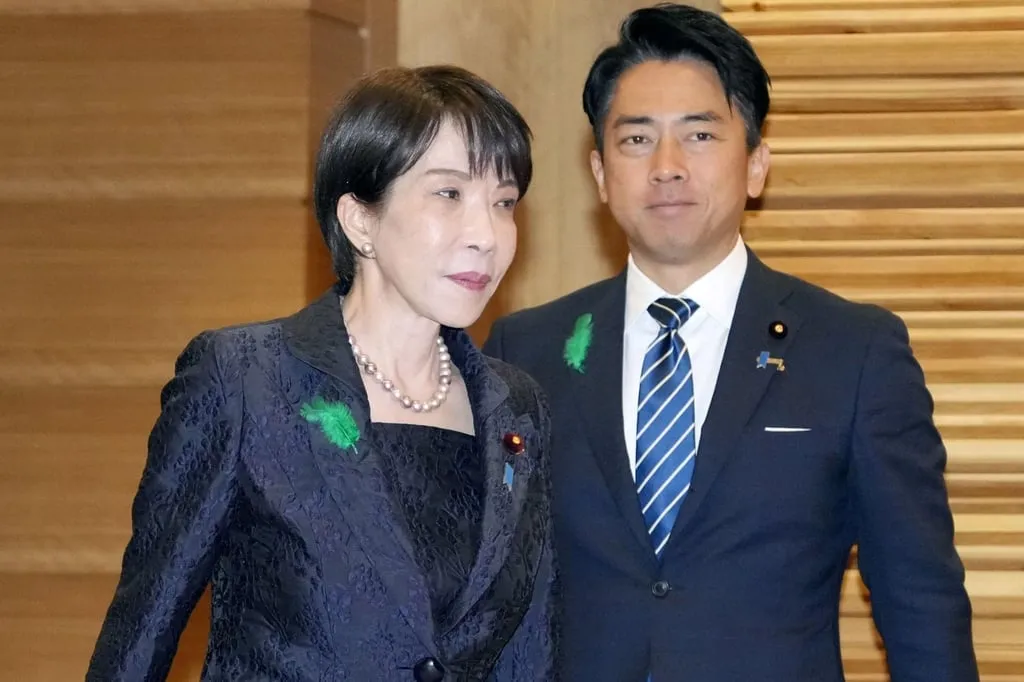
Japanese Prime Minister Sanae Takaichi has managed to ruffle regional feathers without even leaving her office, after sending a ritual offering to the controversial Yasukuni shrine in Tokyo on Tuesday - according to media reports and an unidentified source close to the matter, as reported by the South China Morning Post.
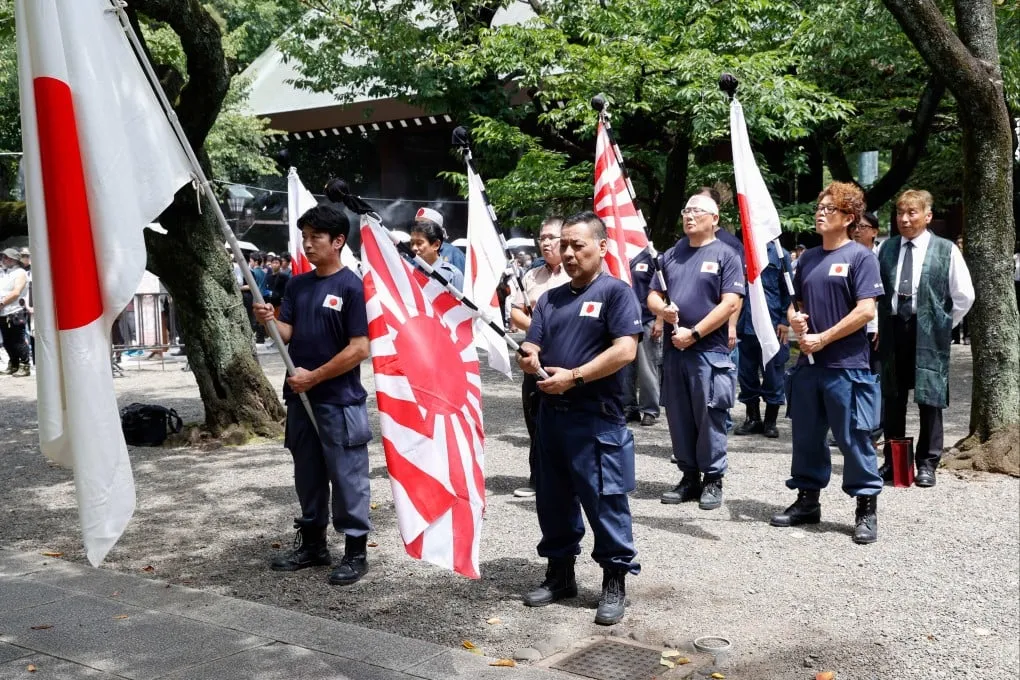
The Yasukuni shrine, sitting in central Tokyo, is dedicated to roughly 2.5 million war dead - mostly Japanese - who died in conflicts stretching back to the late 19th century. So far, so solemn. The problem that neighbours have consistently raised is that the list of honoured souls includes senior military and political figures who were convicted as war criminals by an international tribunal following World War II. That particular detail has been a source of deep diplomatic friction with China and South Korea for decades.
The art of the almost-visit
Takaichi sent a ritual offering known as a masakaki tree but did not visit the shrine in person - a distinction that Japanese officials often use as a way to walk the tightrope between domestic political expectations and international diplomatic reality. Whether Seoul found that distinction meaningful is another question entirely.
South Korea wasted little time in expressing "regret" over the offering, a word that in diplomatic vocabulary roughly translates to "we are annoyed but not annoyed enough to cancel a trade meeting over it." The response was predictable, the ritual almost as rehearsed as the shrine offering itself.
A recurring drama with a permanent cast
Visits and offerings to Yasukuni by Japanese leaders have triggered similar responses from Seoul and Beijing going back years. The shrine occupies a uniquely painful space in East Asian geopolitics - what many Japanese see as a place of solemn remembrance for their war dead, China and South Korea view as an institution that whitewashes or even glorifies Imperial Japan's wartime conduct.
Takaichi's decision to send an offering rather than visit in person suggests an awareness of that tension, even if it does not fully resolve it. Analysts have long noted that no clean solution exists - any acknowledgment of the shrine provokes protest, while ignoring it entirely would carry its own domestic political costs in Japan.
For now, the region has once again gone through its well-worn diplomatic choreography: offering sent, regret expressed, statements issued, and everyone moves on until the next time.