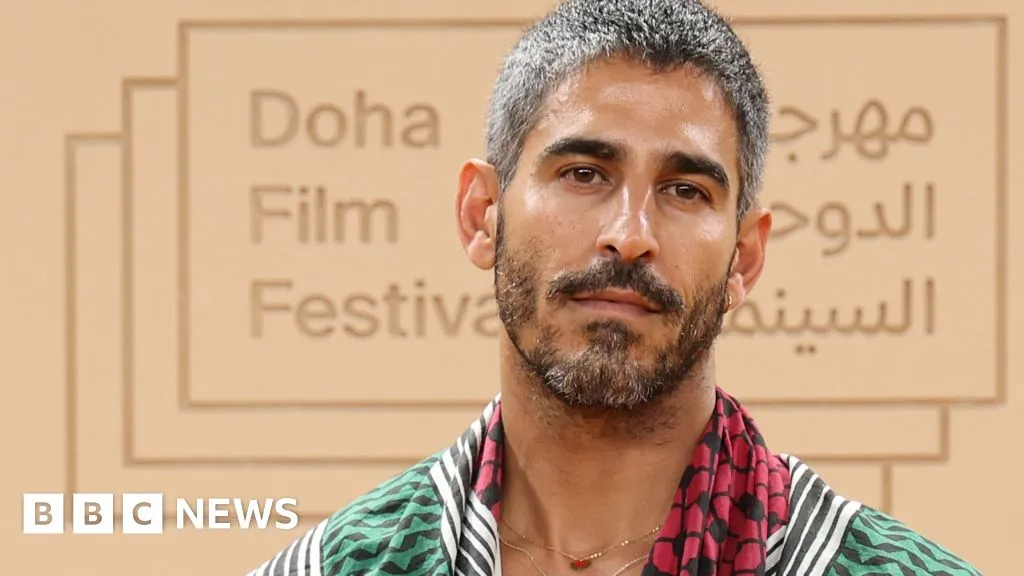
In a plot twist that nobody who values press freedom wanted to have to sit through in the first place, US-Kuwaiti journalist Ahmed Shihab-Eldin has been acquitted by a Kuwaiti court after facing charges that stemmed from - brace yourself - reposting images on social media related to the Iran war, according to his lawyers, as reported by the BBC.
Wait, he was charged for a repost?
Yes, you read that correctly. Shihab-Eldin, a journalist with real credentials and a real career, reportedly found himself in very real legal jeopardy over shared content on social media. Among the charges he faced was the delightful catch-all of 'spreading false information' - a charge that has become the authoritarian-curious government's favorite flavor of legal weapon against journalists and critics across the region.
The case drew significant attention from press freedom advocates who pointed out, with increasing urgency, that journalists should probably not face criminal prosecution for the act of hitting the share button. A wild take, perhaps, but here we are.
Who is Ahmed Shihab-Eldin?
Shihab-Eldin is a dual US-Kuwaiti journalist who has worked across major media platforms and built a profile as a credible voice in digital media. His case attracted attention not just because of his profile, but because of what it represented - the creeping criminalization of online speech, even when that speech amounts to circulating images that are already publicly available.
The acquittal - and why it still matters
His lawyers confirmed the acquittal, which is obviously the correct outcome and should not have required a court case to arrive at. But the fact that it did is the story. The charges alone - regardless of the verdict - represent the kind of legal pressure that chills speech, forces self-censorship, and makes journalists think twice before covering anything remotely sensitive.
Press freedom organizations have long flagged Kuwait as a country where journalists and activists can face legal consequences for online expression, despite the country maintaining a comparatively open media environment by Gulf standards.
Shihab-Eldin's acquittal is a win - no question. But the broader pattern of using 'false information' laws as a cudgel against journalists sharing publicly available content is a problem that one court ruling does not solve.
For now, though, one journalist gets to go home. And in 2025, that counts as good news.