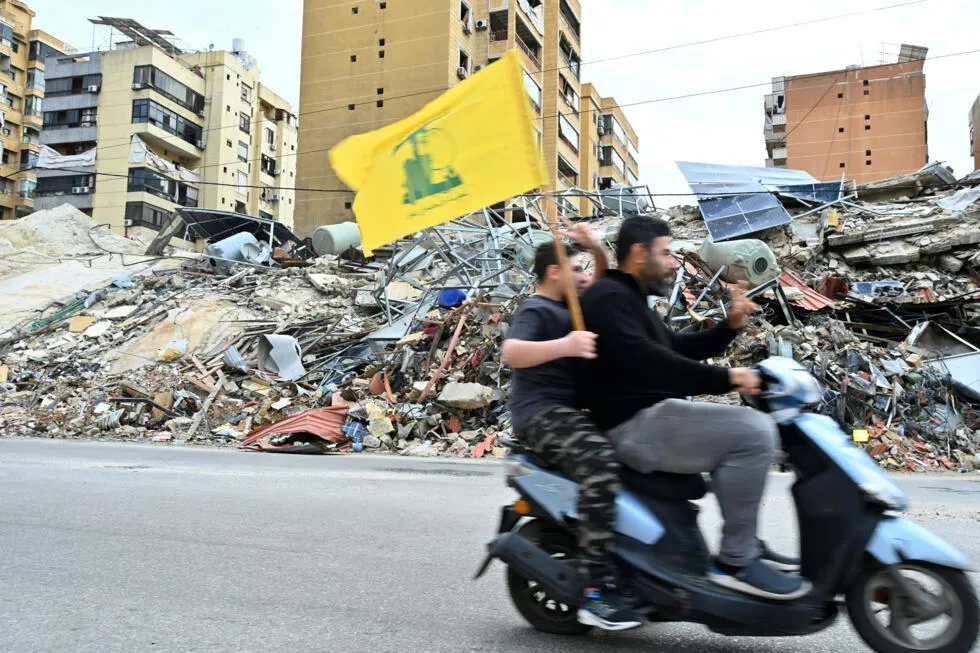
Residents of Beirut's southern suburbs began returning to their neighborhoods on Friday following the start of a 10-day truce between Israel and Lebanon, according to France24. For many, the homecoming revealed the full scale of destruction left behind by Israel's bombing campaign.
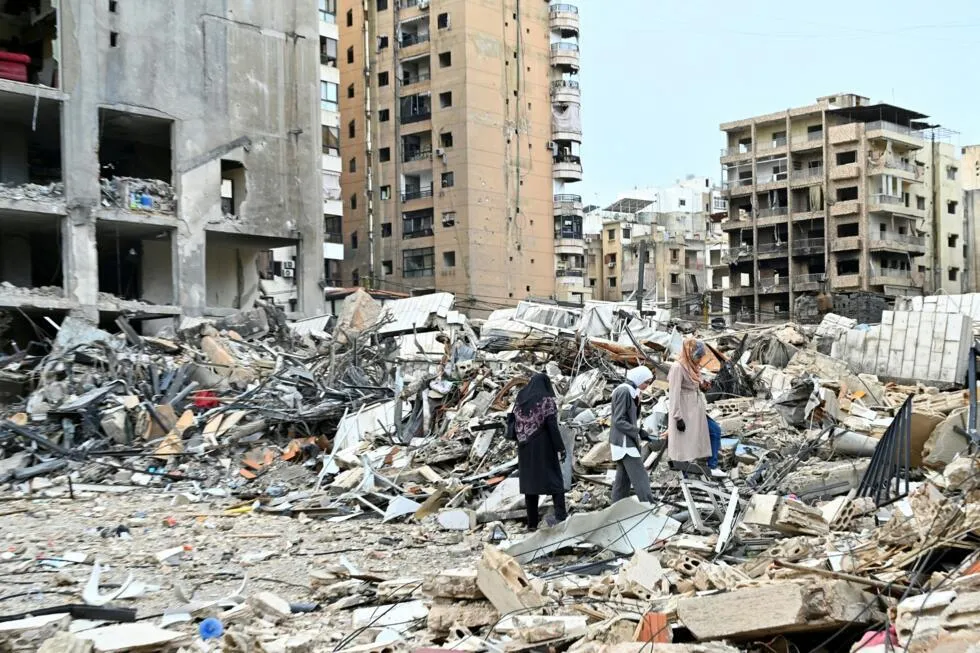
The southern suburbs of Beirut, known in Arabic as the Dahiyeh, had been a primary target of Israeli strikes during the conflict. Entire residential blocks were reduced to rubble, and returning residents described scenes of widespread destruction as they attempted to locate their homes and recover belongings.
Scenes of devastation
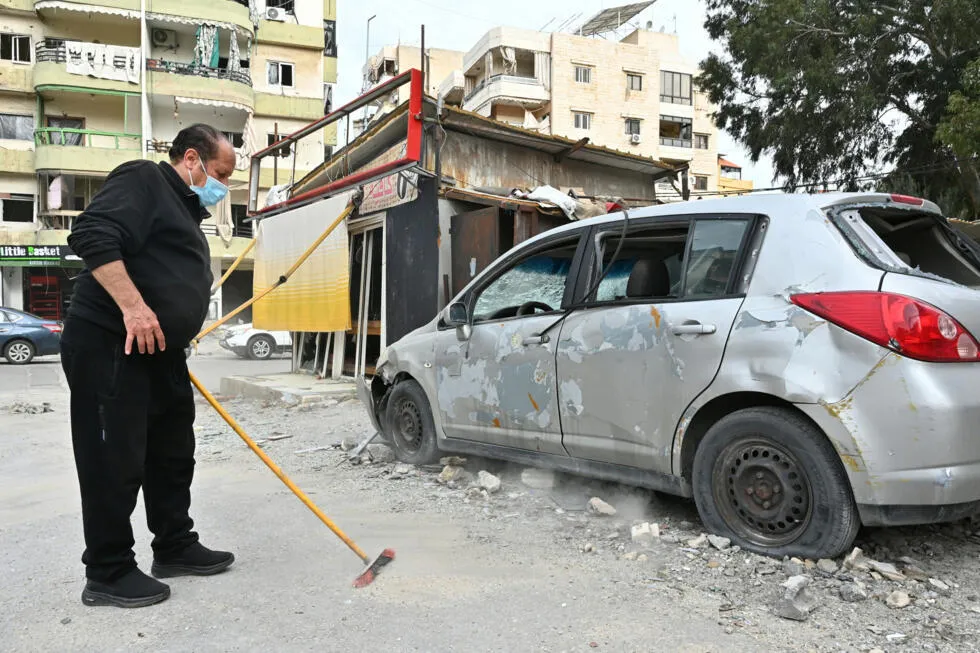
Many civilians who returned on Friday found their apartments and neighborhoods heavily damaged or completely destroyed. France24 reported that residents expressed grief over what they had lost, with the scale of destruction leaving some with almost nothing to return to.
The displacement had forced large numbers of people from their homes in the southern suburbs, one of the most densely populated areas of the Lebanese capital. The ceasefire truce provided the first opportunity for many to assess the damage in person.
A fragile pause in hostilities
The 10-day truce represents a temporary halt to hostilities rather than a permanent ceasefire agreement. The pause has nonetheless allowed humanitarian access and civilian movement in areas that had been too dangerous or restricted to enter during active bombardment.
Lebanon's southern suburbs have historically been associated with Hezbollah, the armed political group that Israel has been targeting as part of its broader military operations. Israel has stated its strikes were aimed at Hezbollah infrastructure and personnel.
The human cost of the campaign in residential urban areas has drawn international attention. Civilians returning to the Dahiyeh on Friday represented a cross-section of Lebanon's population that had been uprooted by weeks of intensive aerial bombardment.
Uncertain road ahead
With the truce set for only 10 days, residents face significant uncertainty about whether they can safely remain in the area or begin rebuilding. The prospect of resumed hostilities after the truce period has added urgency to efforts by families to retrieve documents, possessions, and assess structural damage to their properties.
Lebanon was already grappling with a severe economic crisis before the latest round of conflict, leaving many residents with limited resources to cope with the destruction of their homes and livelihoods.
France24 reported that residents described a profound sense of loss as they navigated the rubble of what had been their communities.