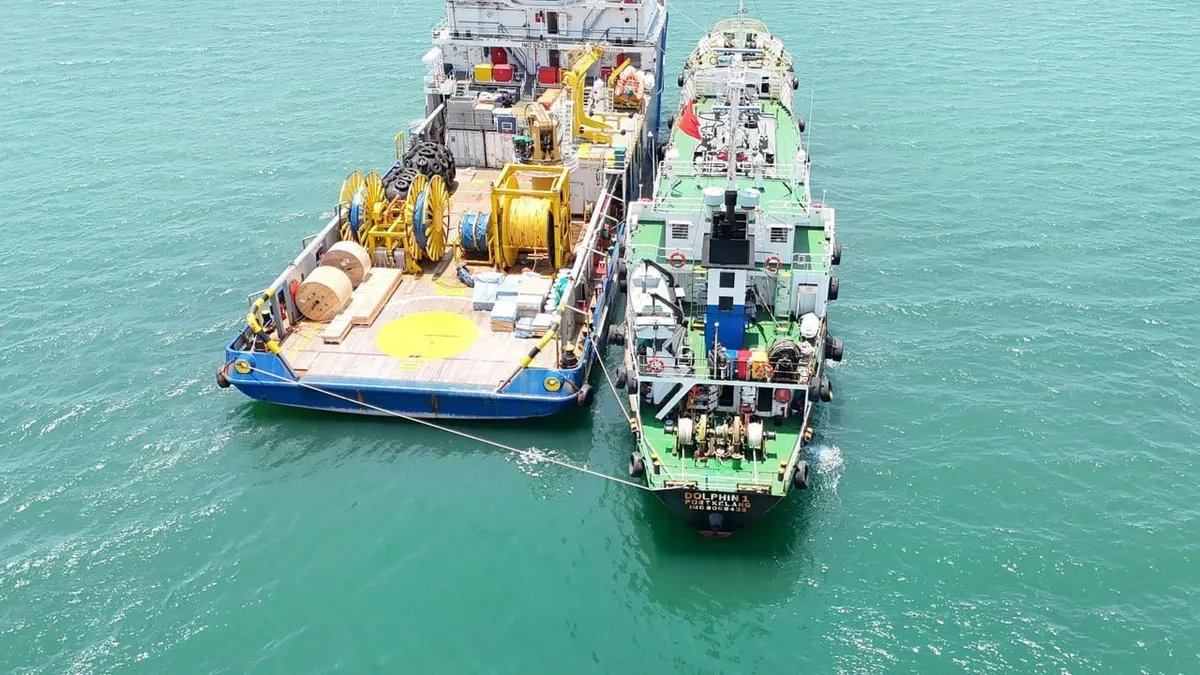
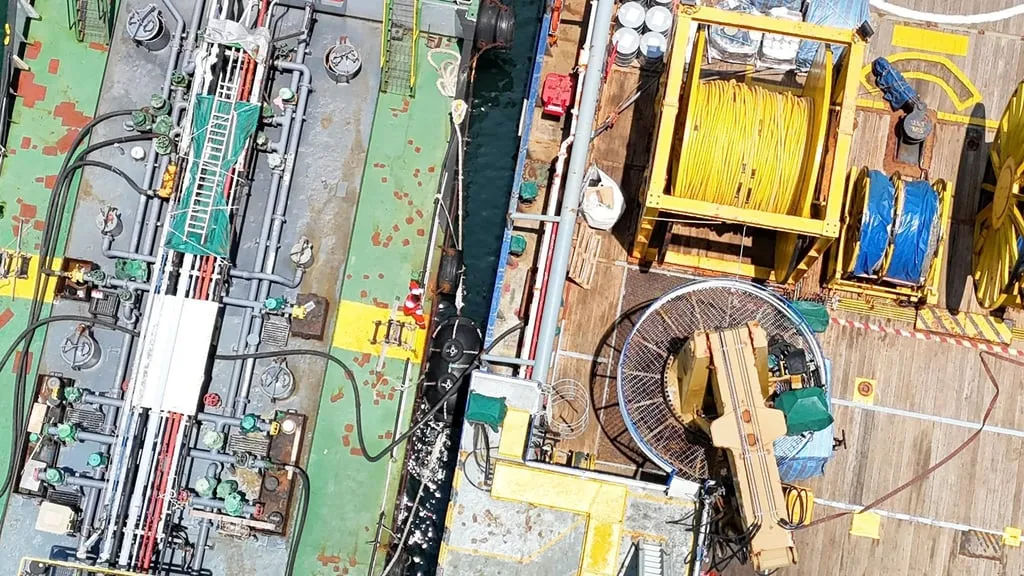
If you ever wondered what a 5.43 million ringgit game of hot potato looks like, Malaysian authorities just showed you. Two tankers were intercepted off Bagan Ajam, near the coast of Penang, on Saturday during what officials describe as an illegal ship-to-ship transfer of more than 700,000 litres of diesel, according to reporting by the South China Morning Post.
That's roughly enough diesel to make your electricity bill feel even more personally offensive than it already does.
The shadow fleet - not as cool as it sounds
The bust has thrown a fresh spotlight on Southeast Asia's so-called "shadow fleet" - a network of tankers operating in legal grey zones (and occasionally just plain illegal ones) to move oil from sanctioned nations. Think of it as the dark web, but for petroleum, and with actual boats.
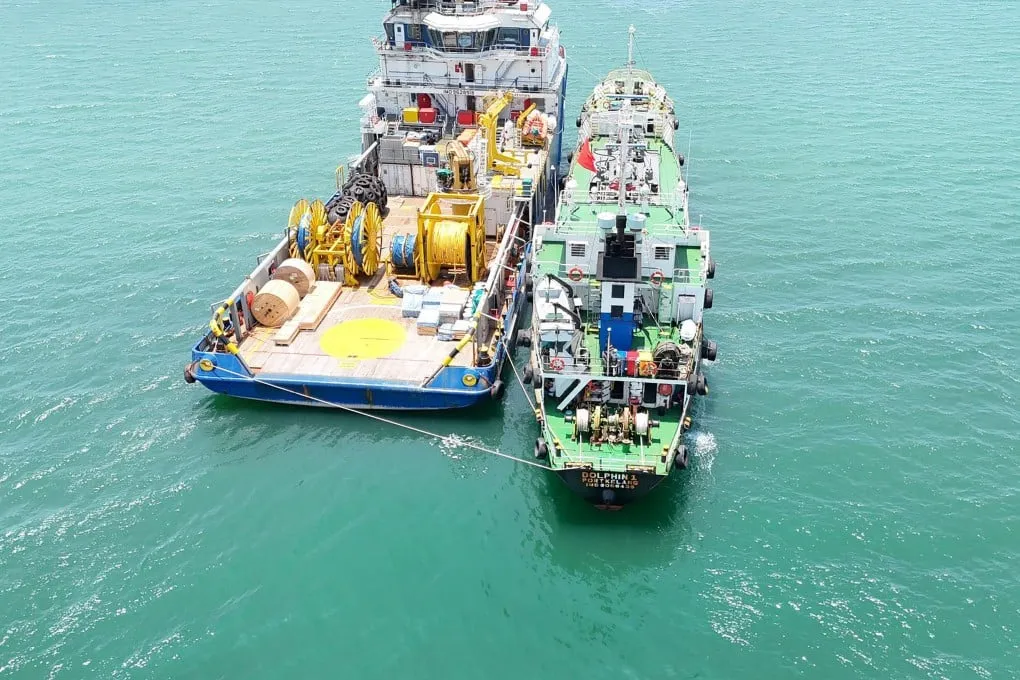
The region has become an increasingly busy corridor for this kind of trade, partly because legitimate global shipping routes have been thrown into chaos following the outbreak of the Iran war. When the front door gets boarded up, smugglers find the back window - and apparently the back window is somewhere off the Penang coastline.
Why this keeps happening
The economics here are brutally simple. Sanctioned oil is cheap oil, and cheap oil is very attractive oil. Shadow fleet operators exploit the demand gap created when official channels shut down, moving fuel through a maze of vessel name changes, flag-of-convenience registrations, and ship-to-ship transfers designed to obscure the origin of the cargo.
Malaysia, with its busy and strategically located straits, has found itself repeatedly at the centre of these operations - sometimes as an unwilling host, sometimes raising harder questions about enforcement consistency.
The bigger picture
Saturday's interception is a win for Malaysian maritime authorities, but analysts and observers note that individual busts rarely dent the broader network. The shadow fleet trade across Southeast Asia has reportedly continued - and in some corridors even grown - despite geopolitical pressure and international sanctions regimes that were supposed to cut off the supply.
In other words, the tankers keep coming. The diesel keeps moving. And the world's energy black market keeps finding creative new choreography.
Malaysian authorities have not yet publicly confirmed the origin of the diesel or named the vessels involved, so key details about who exactly is behind this particular transfer remain unconfirmed at this stage.
Source: South China Morning Post