
Forget courtroom dramas and spy networks - some of the most consequential human rights investigations on the planet are being run by a small team armed with laptops, open-source software, and a healthy obsession with satellite imagery. According to a report by The Independent, Human Rights Watch's digital investigation lab is quietly revolutionizing how accountability for war crimes and abuses actually works.
David vs. Goliath, but make it tech
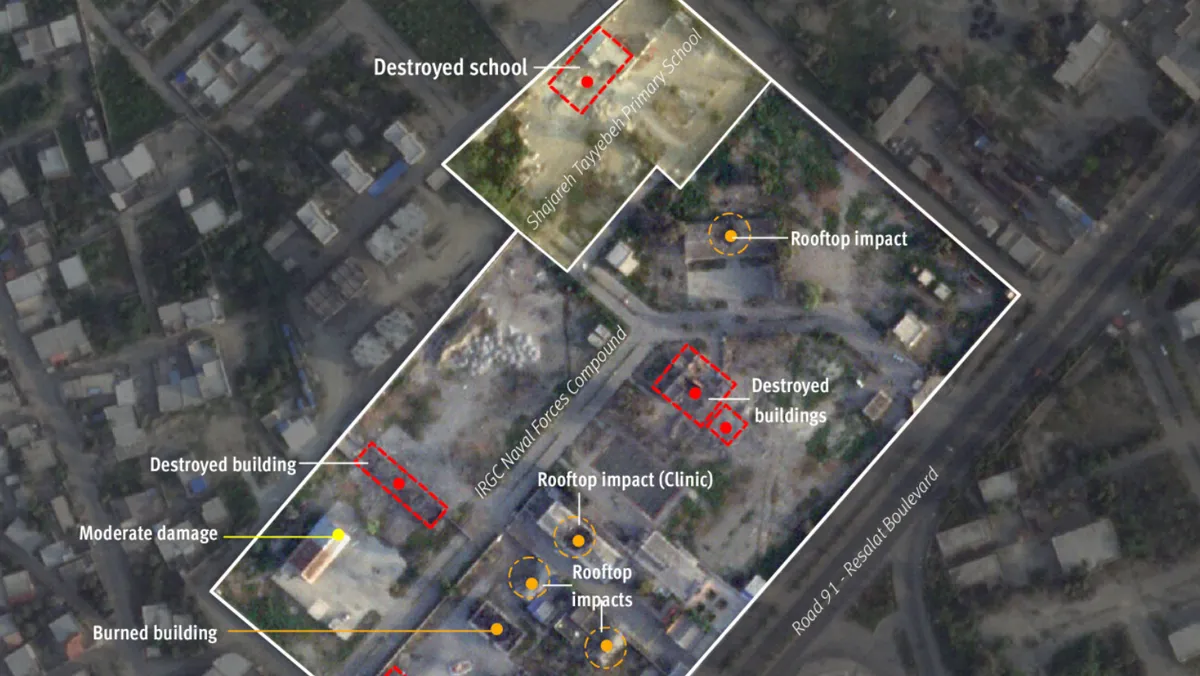
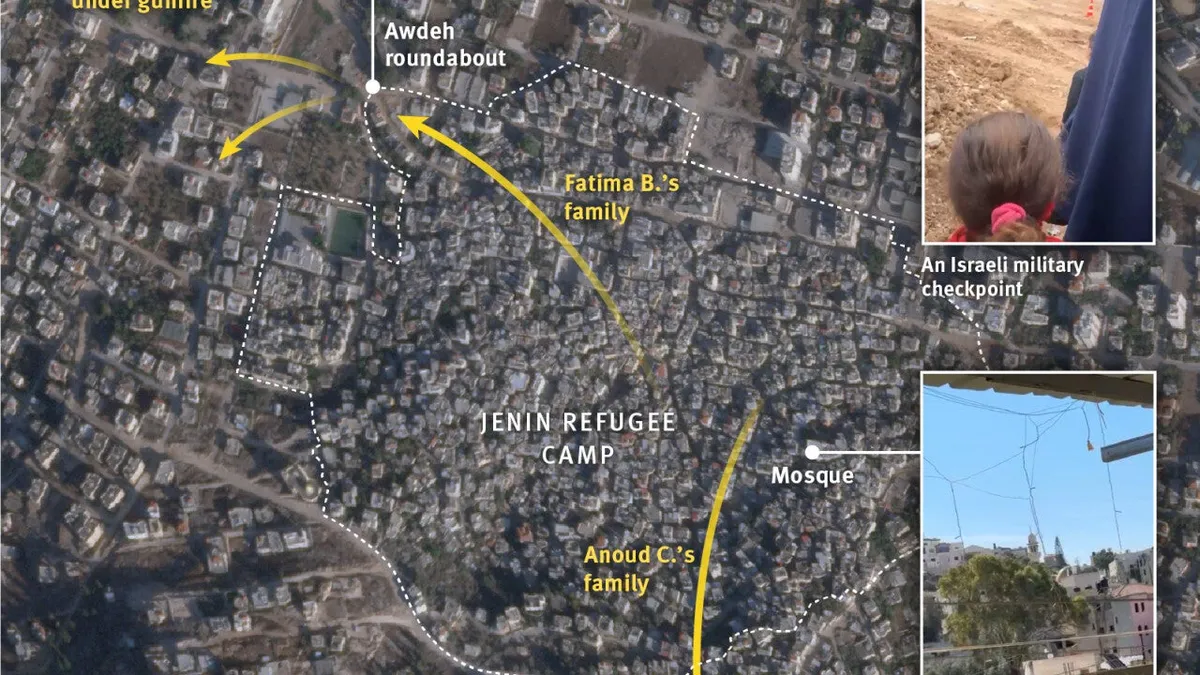
The lab reportedly uses a combination of artificial intelligence tools, geolocation techniques, and open-source intelligence - the kind of stuff previously reserved for intelligence agencies with billion-dollar budgets - to document abuses happening in conflict zones across the globe. Think Iran, Ukraine, and beyond. These are places where traditional journalism and on-the-ground access are either impossible or extremely dangerous.

The kicker? It's a small team. Not a shadowy government operation. Not a Silicon Valley juggernaut. A relatively modest group of digital investigators who have basically turned the internet into the world's largest evidence locker.
AI as a force for good - yes, really
The use of AI in this context is notable. Rather than generating deepfakes or optimizing ad revenue (the usual headlines), the lab is reportedly leveraging machine learning to process enormous volumes of images, videos, and data that human eyes simply could not get through fast enough. Identifying locations from partial landmarks, cross-referencing footage with known geographic features, and flagging inconsistencies in official narratives - it's painstaking, unglamorous work that is genuinely changing outcomes for victims seeking justice.
Why this matters more than you think
War crimes accountability has historically been slow, politically fraught, and notoriously under-resourced. Perpetrators have long counted on the chaos of conflict to bury evidence. Digital investigations are increasingly disrupting that calculus. When satellite images, geolocated social media posts, and AI-assisted analysis can place a specific military unit at a specific location on a specific date, suddenly the fog of war gets a lot thinner.
The Independent's reporting highlights how this kind of tech-driven human rights work is no longer a novelty - it is becoming a cornerstone of modern accountability efforts, influencing everything from international criminal court proceedings to UN reports.
So next time someone tells you AI is just a hype machine for chatbots and autocomplete, you can point them toward the very small team quietly building war crime cases one pixel at a time. Nerds, as it turns out, are saving the world - they're just doing it with better documentation than anyone else.