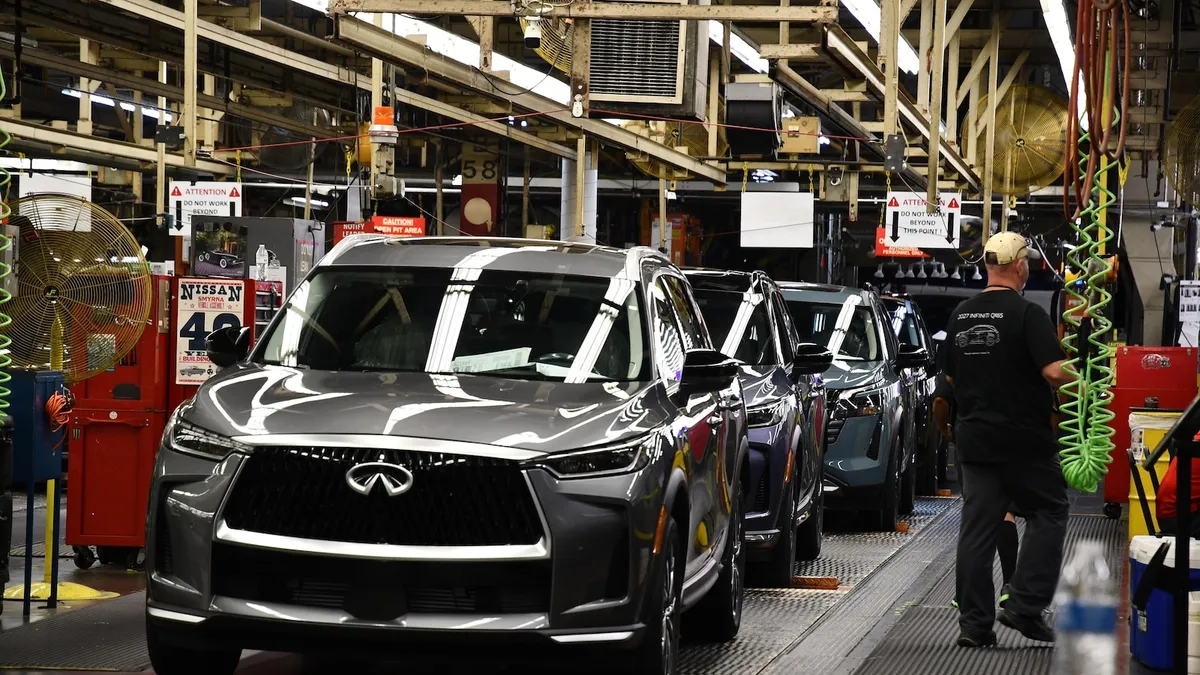
Remember when Nissan was the cool kid of Japanese automaking? Well, after a rough couple of years that would make even the most stoic samurai wince, the company is finally flashing some cautiously optimistic signals. According to a report by ABC News, Nissan has managed to reduce its losses for the fiscal year ending March 2025 - and is now boldly claiming it expects to return to profitability.
From 'oh no' to 'maybe okay'
This is not exactly a triumphant roar from the garage floor, but in Nissan's current situation, a smaller loss is basically the automotive equivalent of a standing ovation. The company has been navigating a spectacularly turbulent stretch - collapsed merger talks with Honda, massive restructuring plans, factory closures, and enough executive drama to fill a prestige TV series.
The reduction in losses reportedly marks progress on Nissan's ongoing turnaround efforts, which have included cutting production capacity and slashing costs across the board. Think of it as a corporate diet - painful, unpopular at the dinner table, but apparently showing some results on the scale.
So what's the actual plan here?
Nissan's leadership has been pushing a sweeping restructuring agenda, which involves trimming its global workforce and consolidating manufacturing operations. The idea is to get leaner, meaner, and more competitive in a global auto market that is increasingly dominated by electric vehicles - a space where Nissan, ironically, was once a pioneer with the Leaf.
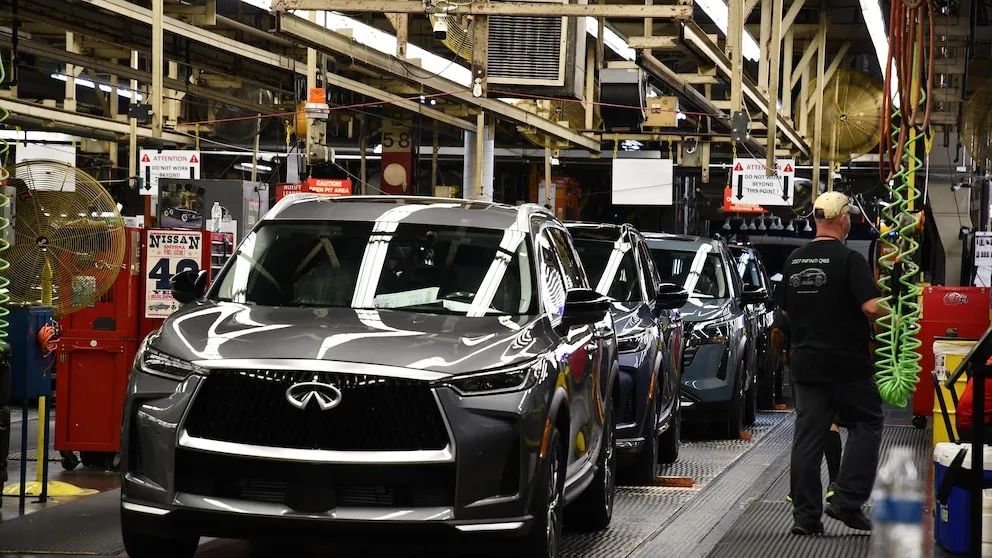
Yes, the same company that put one of the world's first mass-market EVs on the road back in 2010 is now scrambling to keep up with a segment it helped create. History is funny like that.
Is this actually good news?
Cautiously, yes. Smaller losses heading into a projected profit return is the kind of corporate narrative that tends to calm nervous investors and buy management some extra breathing room. But Nissan still faces serious headwinds - including fierce competition from Chinese EV makers eating into its Asian market share, and lingering uncertainty about its strategic direction after the Honda merger talks fell apart earlier this year.
The company's next moves will be closely watched by industry analysts, partners, and the roughly 133,000 people who still work for the brand globally.
For now, Nissan seems to have stopped the financial equivalent of driving full speed into a wall. Whether it can actually get back on the highway - and stay there - is the real question.
Source: ABC News