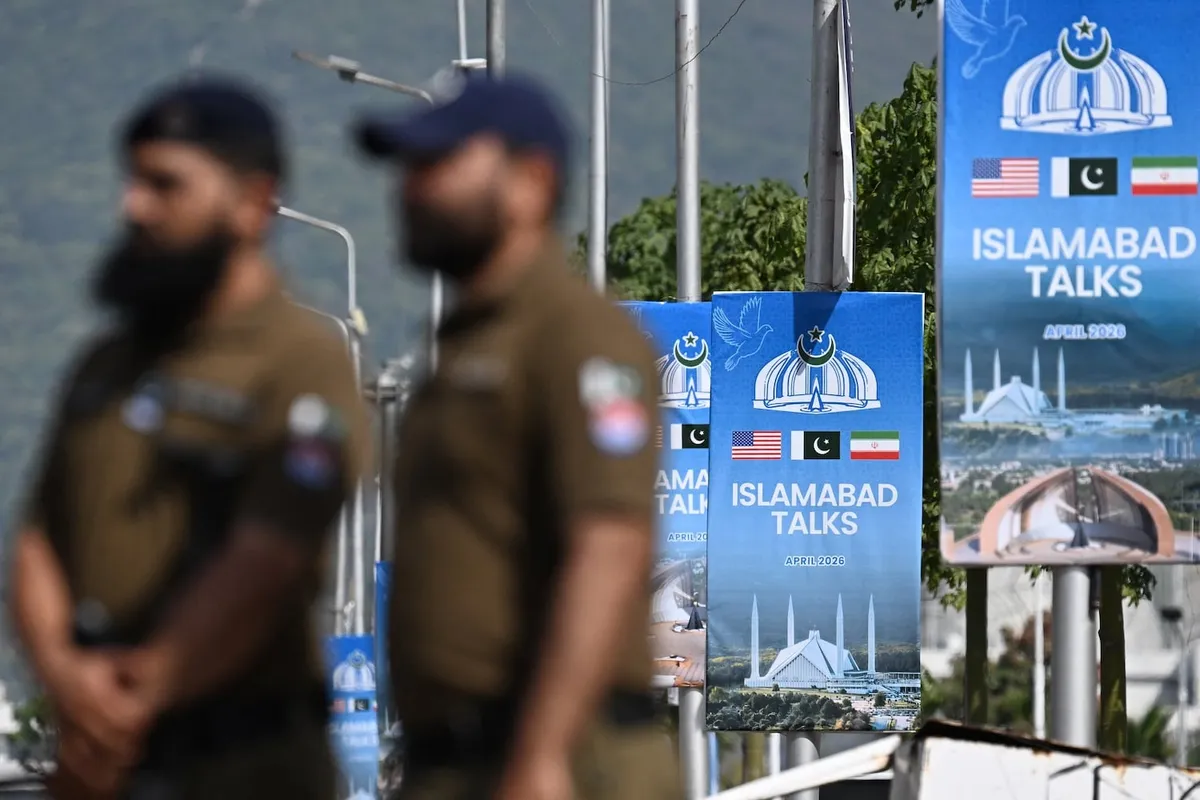
Pakistan has positioned itself as a potential mediator between the United States and Iran, but as talks between Washington and Tehran show signs of strain, that diplomatic gamble is beginning to carry serious consequences for Islamabad, according to analysis published by Foreign Policy.
The effort placed Pakistan in an unusually delicate position - maintaining working relationships with both a key Western power and a neighboring country under heavy international sanctions. That balancing act, observers note, grows more precarious as the prospect of a negotiated resolution to Iran's nuclear program appears increasingly uncertain.
Strategic calculations
Pakistan's motivations for stepping into the mediator role were rooted in both geography and opportunity. The country shares a long border with Iran and has historically maintained complex but functional ties with Tehran, even while cultivating its relationship with the United States. Offering to serve as a diplomatic bridge represented a potential way for Islamabad to elevate its international standing and demonstrate strategic value to multiple parties simultaneously.
However, Foreign Policy's analysis suggests that the risks of that position are rising in parallel with the diplomatic difficulties. If U.S.-Iran talks collapse entirely, Pakistan could find itself associated with a failed process - having expended political capital without achieving a corresponding benefit.
Economic vulnerabilities
The economic dimension adds another layer of pressure. Pakistan is currently navigating a fragile financial recovery, relying in part on support from international lenders and maintaining the goodwill of Gulf states and Western governments. Any perception that Islamabad is too closely aligned with Tehran could complicate those relationships at a moment when the country can ill afford additional financial turbulence.
Energy ties between Pakistan and Iran add further complexity. A long-discussed pipeline project connecting the two countries has remained unfinished partly due to concerns over U.S. sanctions. The broader diplomatic climate directly affects whether Pakistan can pursue such agreements without triggering penalties.

Regional implications
The situation also reflects broader tensions across the region as multiple governments attempt to navigate the space between American strategic interests and Iran's influence. Pakistan is not alone in trying to manage relationships on both sides of that divide, but its active mediator role has made its exposure more visible than most.
Foreign Policy's reporting indicates that the political risks for Pakistani leadership are compounding as the diplomatic situation remains unresolved. A prolonged standoff - or an escalation - could force Islamabad into a more defined position, eliminating the ambiguity that made its mediating role possible in the first place.
For now, Pakistan appears to be watching the trajectory of U.S.-Iran negotiations closely, with its own strategic future partly dependent on an outcome it has limited power to shape.