
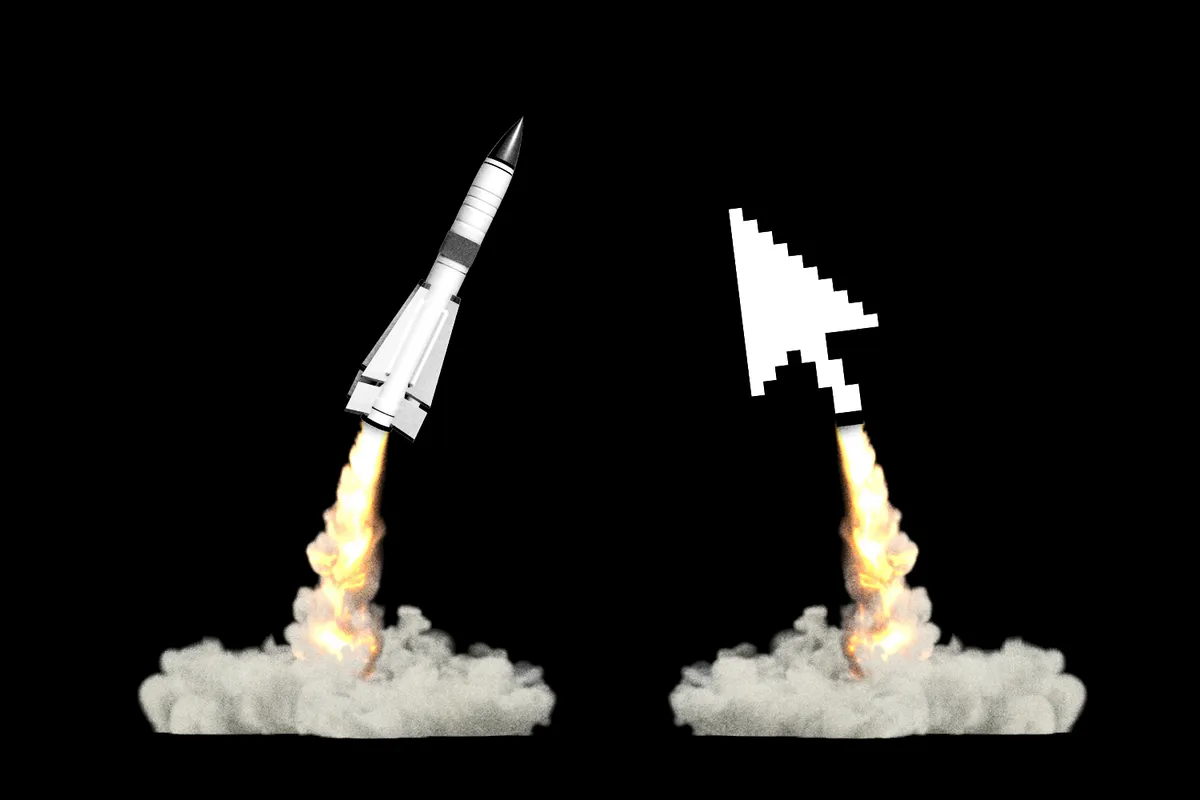
The United States Department of Defense is grappling with one of the central obstacles to integrating artificial intelligence into military operations: persuading the personnel who would use these systems to actually trust them.
According to analysis published by Foreign Policy, the challenge is not solely technical. Even as the Pentagon invests heavily in AI-enabled tools for battlefield decision-making, logistics, and threat assessment, adoption remains limited in part because warfighters are skeptical of systems whose reasoning they cannot fully observe or verify.
The trust deficit
Military personnel have historically been cautious about ceding judgment to automated systems, particularly in high-stakes scenarios where errors can result in loss of life or strategic failure. That caution, experts argue, is not irrational. AI systems can fail in unpredictable ways, especially when deployed in conditions that differ from their training environments.
The Foreign Policy report notes that if warfighters do not trust the technology, they will not use it - rendering even the most sophisticated systems ineffective in practice. This creates a significant gap between investment and operational impact.
Managing the risks
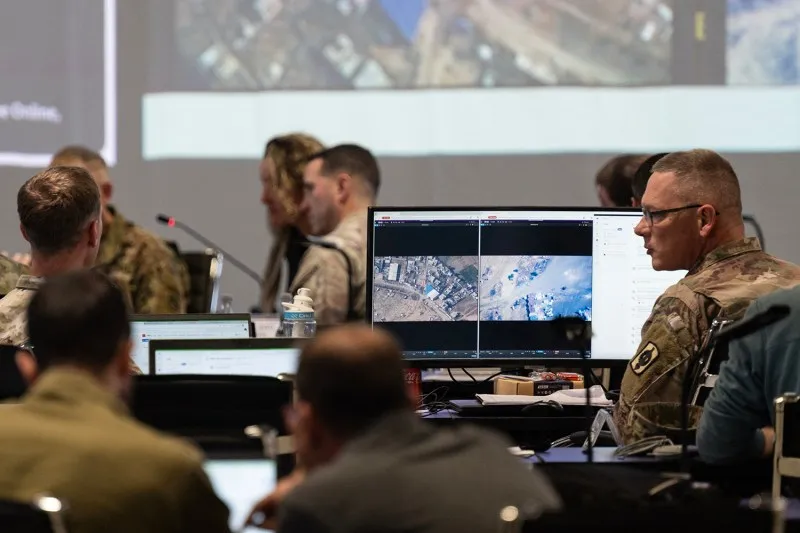
Defense analysts and AI developers, including voices from the private sector, have pointed to several approaches the Pentagon could adopt to close that gap. These include improving the transparency of AI decision-making processes so that operators can understand why a system is producing a given output, conducting more rigorous and realistic testing before deployment, and developing clearer doctrinal frameworks that define the role of AI relative to human judgment.
Establishing accountability structures is also seen as critical. When an AI-assisted decision leads to a negative outcome, it must be clear who bears responsibility - the operator, the commanding officer, or the developers of the system. Ambiguity on this point contributes to reluctance among military personnel to rely on AI tools.
Broader implications
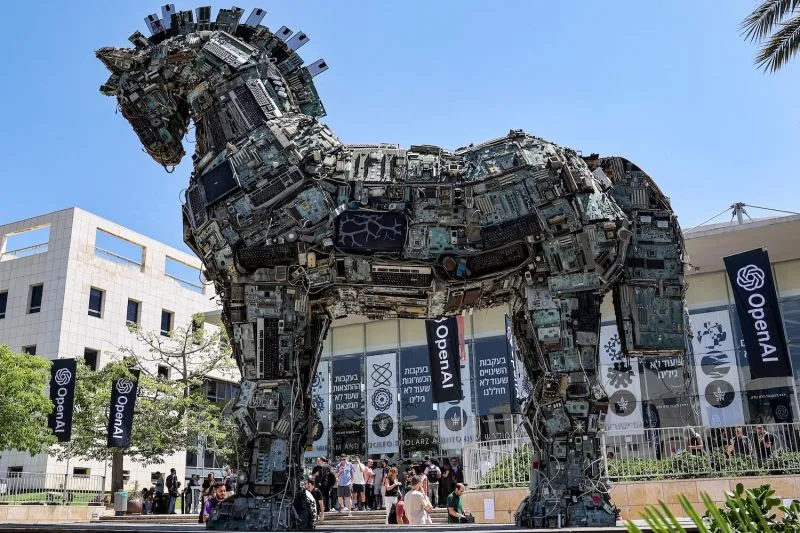
The issue extends beyond individual soldier hesitation. Senior Pentagon leadership must also contend with questions about escalation risk, adversarial manipulation of AI systems, and the potential for algorithmic errors to trigger unintended consequences in conflict zones.
The United States is not alone in confronting these challenges. Rival military powers, including China and Russia, are also developing AI-enabled weapons and decision-support systems, raising questions about whether competitive pressure will push nations to deploy immature technology before adequate safeguards are in place.
Foreign Policy's reporting suggests that resolving the trust problem is a prerequisite for the Pentagon to realize the strategic potential it has assigned to artificial intelligence - and that managing the risks requires as much attention to human factors as to the underlying technology itself.