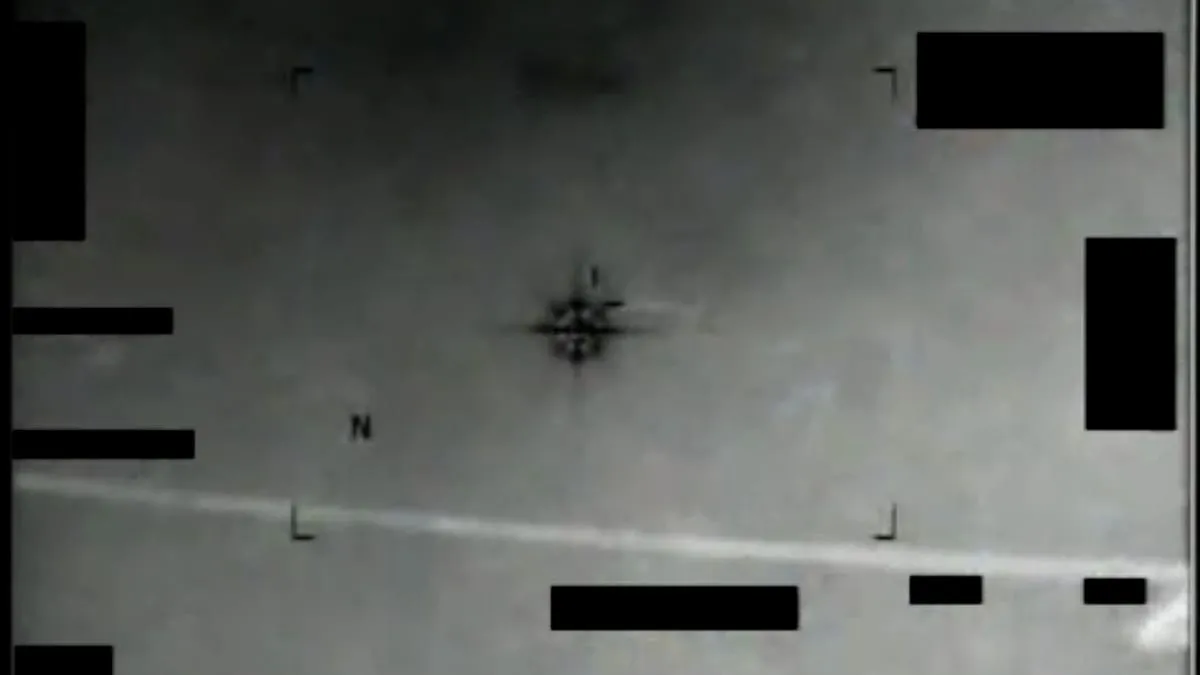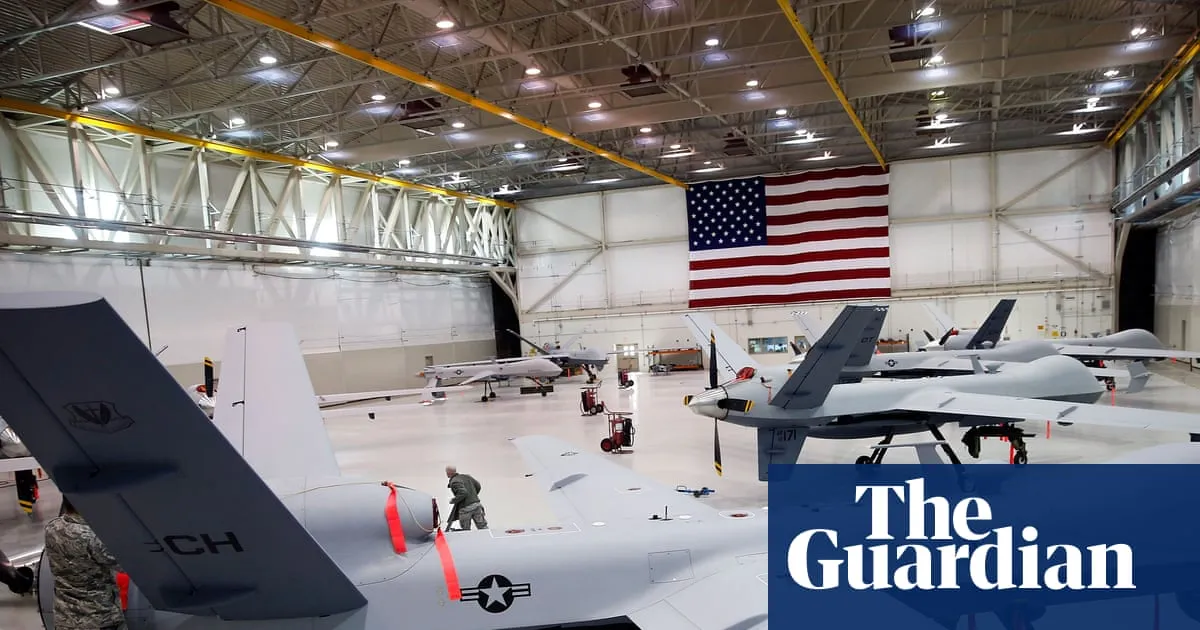
If you thought the robots-taking-over-the-world conversation was purely a sci-fi concern, the Pentagon has some budget documents it would like you to read. According to reporting by The Guardian, the U.S. Department of Defense is requesting a whopping $54 billion in its 2027 budget to fund something called the Defense Autonomous Warfare Group - a program dedicated to AI-powered, autonomous drone warfare.
To put that number in perspective: that is a 24,000% increase over last year's funding for the same program. Yes, you read that correctly. Twenty-four thousand percent. If your electricity bill went up 24,000%, you would burn the house down yourself and call it a win.
So what exactly is this?
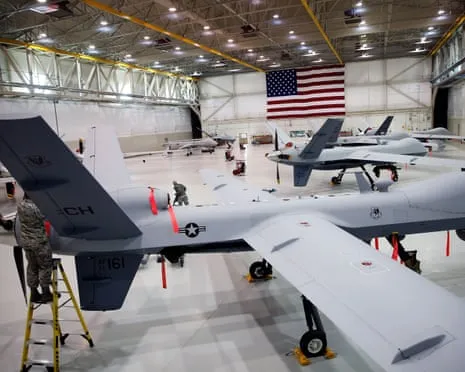
The budget documents, released this week, signal what The Guardian describes as a major pivot in U.S. military strategy toward autonomous warfare - meaning drones and AI systems that can operate with significantly reduced human control. The Defense Autonomous Warfare Group would sit at the center of this vision, presumably ensuring that the future of geopolitical conflict looks a lot like a very expensive, very deadly video game.
Experts are not exactly thrilled
Here is where it gets less funny. The Guardian's reporting notes that defense and AI experts are raising serious red flags, with concerns that the military is simply not prepared for the risks that come with deploying autonomous weapons systems at this scale. This is the part of the movie where the scientist in the lab coat says 'we have no idea what we've created' and everyone ignores them.
The concerns are not trivial. Autonomous weapons systems raise thorny questions around accountability, rules of engagement, and what happens when an AI makes a catastrophically wrong call with no human in the loop to stop it. These are not hypothetical edge cases - they are the central ethical and operational challenges that defense researchers have been wrestling with for years.
The bigger picture
This budget request does not exist in a vacuum. It reflects a broader global arms race in military AI, with the U.S., China, and others all pouring resources into autonomous systems. The $54 billion ask is essentially America planting a very large, very expensive flag in the ground and saying it intends to lead that race - readiness concerns and all.
Whether Congress approves the funding remains to be seen. But the sheer scale of the request makes clear that the Pentagon's AI-powered future is not a distant ambition - it is a line item.