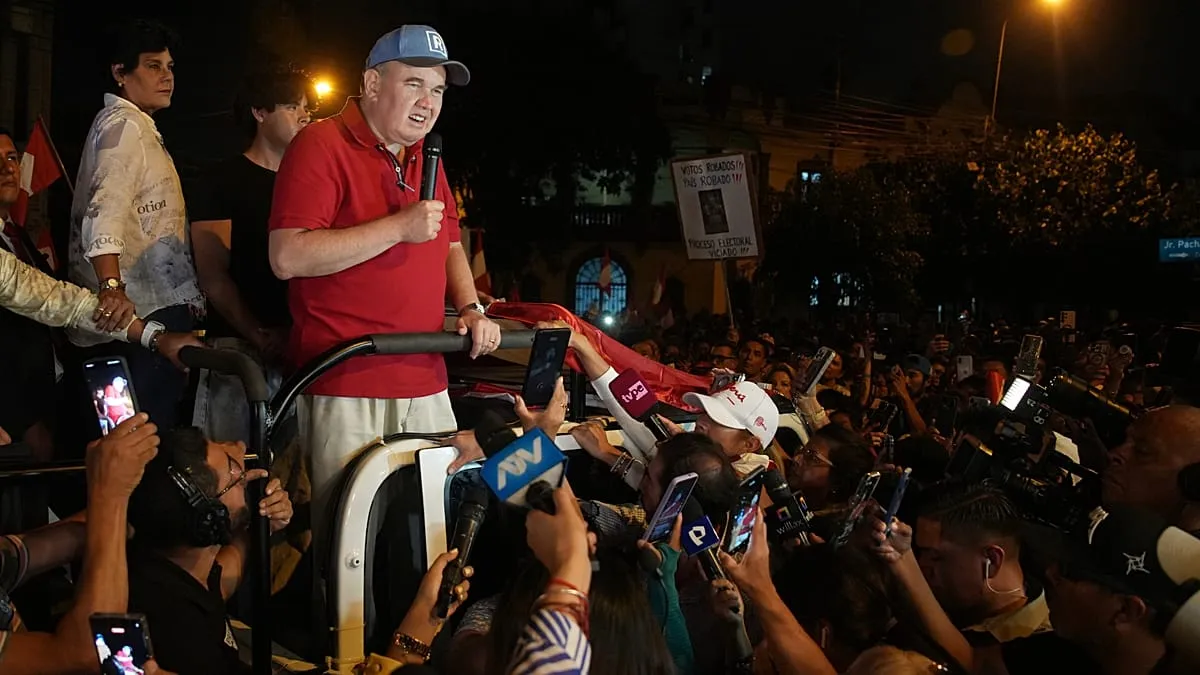
Peru's general election stretched into a second day on Monday after critical shortages of ballots prevented large numbers of voters from casting their votes the previous day, in what officials described as an unprecedented logistical breakdown, according to France 24.
The failure to deliver sufficient ballots to polling stations across the country on Sunday forced electoral authorities to extend voting, a decision that underscored the significant institutional pressures facing one of South America's most politically turbulent nations.
A country under strain
The ballot delivery failure did not occur in isolation. Peru has endured years of deep political instability, cycling through multiple presidents and governments amid corruption scandals, congressional clashes, and civil unrest. The logistical collapse on election day added another chapter to a prolonged crisis of governance that has eroded public confidence in state institutions.
Escalating crime rates have compounded the country's difficulties, with security emerging as a central concern for voters heading to the polls. The combination of institutional dysfunction and deteriorating public safety has placed enormous pressure on whichever government emerges from the election to demonstrate competence and stability.
Polling extended amid public frustration
Voters who were turned away or unable to participate on Sunday were given the opportunity to return to polling stations on Monday. Electoral authorities moved to manage the fallout from the disruption, though the extension itself raised questions about the integrity and organisation of the process.
The scenes of voters unable to exercise their franchise due to an administrative failure drew criticism and reflected broader anxieties about Peru's capacity to conduct orderly democratic processes at a time when trust in public institutions remains fragile.
What comes next
The results of the election, once fully tallied, will determine who takes on the task of stabilising a country that has seen an extraordinary degree of political turbulence in recent years. Peru has had six presidents in less than a decade, and the incoming government will face immediate pressure to address crime, economic concerns, and the question of institutional credibility highlighted by the election's chaotic opening day.
International observers and regional governments are expected to monitor the final results closely as Peru attempts to restore a degree of normality to its democratic process.