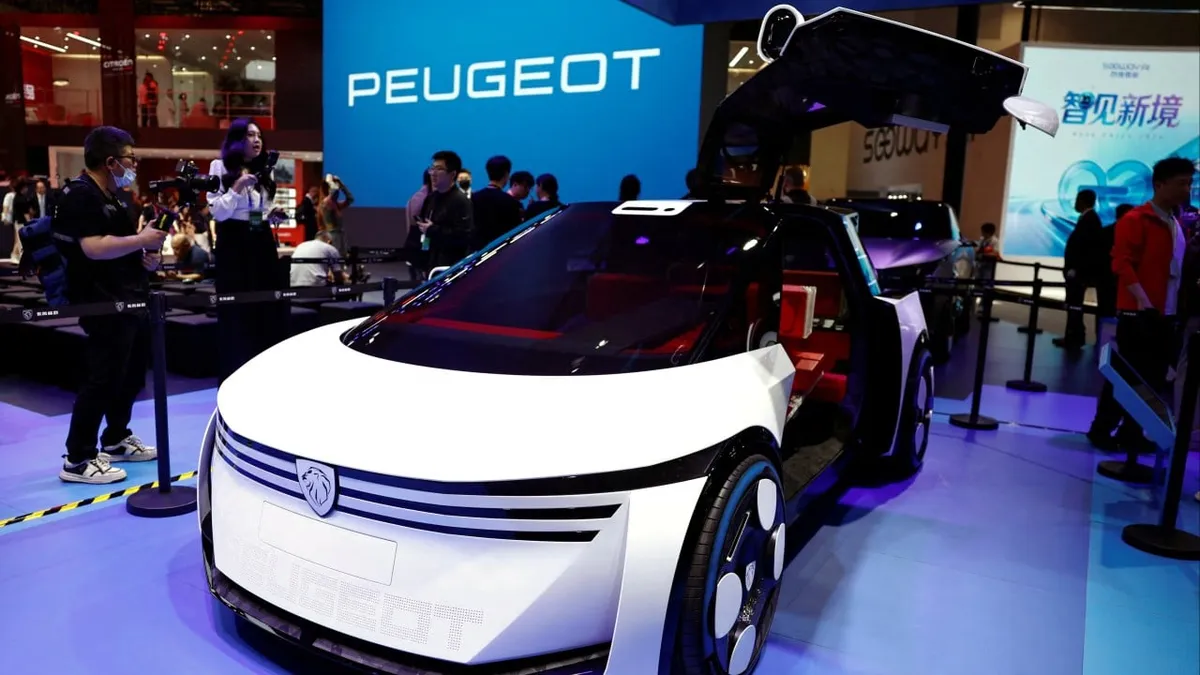
In a move that screams 'adapt or die', European auto giant Stellantis has announced it will produce four new electric vehicles under the Peugeot and Jeep banners using Chinese technology - and they're aiming for 2027. Yes, the same Jeep that once defined rugged American adventurism is now going to be built with local Chinese EV knowhow. Wild times.
The plan
According to a South China Morning Post report, Stellantis - the Franco-Italian conglomerate that also owns Fiat, Chrysler, Alfa Romeo, and about a dozen other brands you forgot existed - is doubling down on its partnership with Chinese automaker Dongfeng Motor. The goal is to roll out four electric models across the Peugeot and Jeep lineups directly off Chinese production lines by 2027.
The strategy is essentially a masterclass in humility: instead of trying to shoehorn European EV platforms into a market that has already sprinted several laps ahead, Stellantis is leaning into local Chinese technologies to build what it hopes will be competitive, market-ready vehicles.
Why this matters
China is not just the world's largest car market - it's also arguably the most ferociously competitive EV battleground on the planet right now. Domestic brands like BYD, NIO, Li Auto, and a seemingly infinite parade of newcomers have been absolutely eating the lunch of legacy Western automakers. Volkswagen, GM, and Toyota have all been scrambling to respond, and now Stellantis is making its own big move.
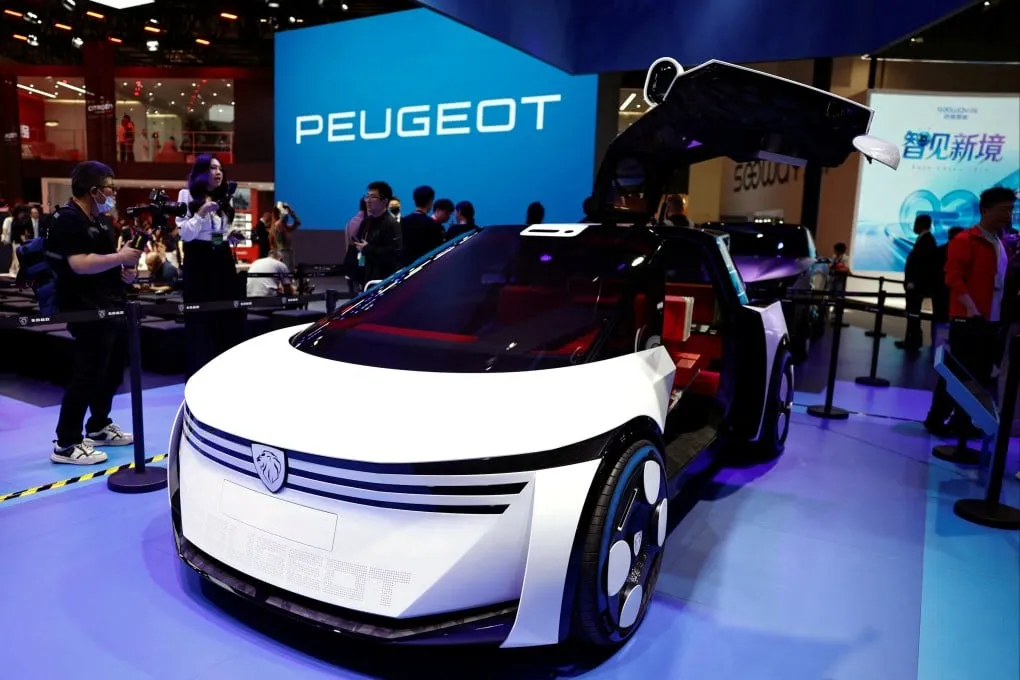
The logic is sound, if a little bruising to the ego of any European automotive traditionalist. Chinese EV technology - particularly in batteries, software integration, and cost efficiency - has matured at a staggering pace. Rather than spending years playing catch-up from afar, partnering with Dongfeng lets Stellantis essentially fast-track its way into relevance.
The bigger picture
This announcement is part of a broader trend of international automakers swallowing their pride and embracing Chinese partnerships more deeply than ever before. The alternative - watching your market share evaporate while BYD posts another record sales quarter - is apparently less appealing.
Whether Peugeot and Jeep can actually carve out meaningful space in a market this crowded by 2027 remains genuinely unclear. But at least Stellantis seems to understand that bringing a decade-old EV platform to China in 2025 is roughly equivalent to showing up to a gunfight with a very strongly worded letter.
Details on pricing, specific models, and technical specifications have not yet been confirmed. The 2027 production timeline is Stellantis' stated target as reported by the South China Morning Post.