
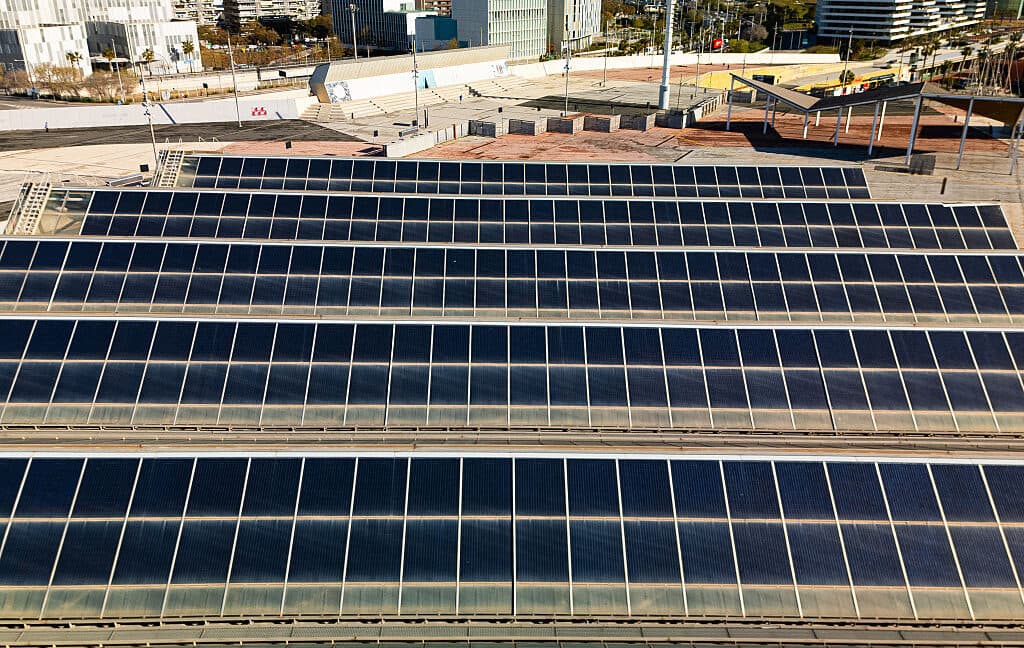
Renewable energy sources dominated new electricity generating capacity added around the world in 2025, with 86 percent of all newly installed capacity coming from clean energy technologies, according to data reported by Ars Technica.
Solar power was the standout driver of that growth. Of all the renewable capacity brought online during the year, approximately three quarters came from solar installations, underscoring the technology's accelerating role in the global energy transition.
A sustained shift in energy investment
The figures point to a continued and deepening trend away from fossil fuel-based power generation. For years, analysts have tracked the falling cost of solar panels and wind turbines as a key factor pushing utilities, governments, and private investors toward clean energy projects over coal and natural gas plants.
The 86 percent share of renewables in new capacity is a significant marker, suggesting that in most parts of the world, new fossil fuel power construction has become a shrinking fraction of overall energy investment.
Solar's dominant position
Solar's commanding share of new renewable capacity reflects both the plunging cost of photovoltaic technology and the relative ease with which solar installations can be deployed at a wide range of scales - from rooftop panels on individual homes to utility-scale farms covering thousands of acres.
Wind power, hydroelectric projects, and other renewable sources accounted for the remaining quarter of new renewable capacity, according to the reporting.
What the numbers do not capture
Installed capacity figures measure the maximum potential output of power plants rather than actual electricity generated. Renewable sources like solar and wind produce power intermittently, meaning their real-world contribution to electricity grids depends heavily on weather conditions and the availability of storage or backup systems.
Critics of rapid renewable expansion have pointed to grid reliability concerns as deployment outpaces the development of battery storage infrastructure and updated transmission networks. Proponents argue that continued investment in storage and grid modernization will address those challenges over time.
The 2025 data, as reported by Ars Technica, adds to a growing body of evidence that the global electricity sector is undergoing a structural shift, with renewables - and solar in particular - positioned as the default choice for new power generation in much of the world.
