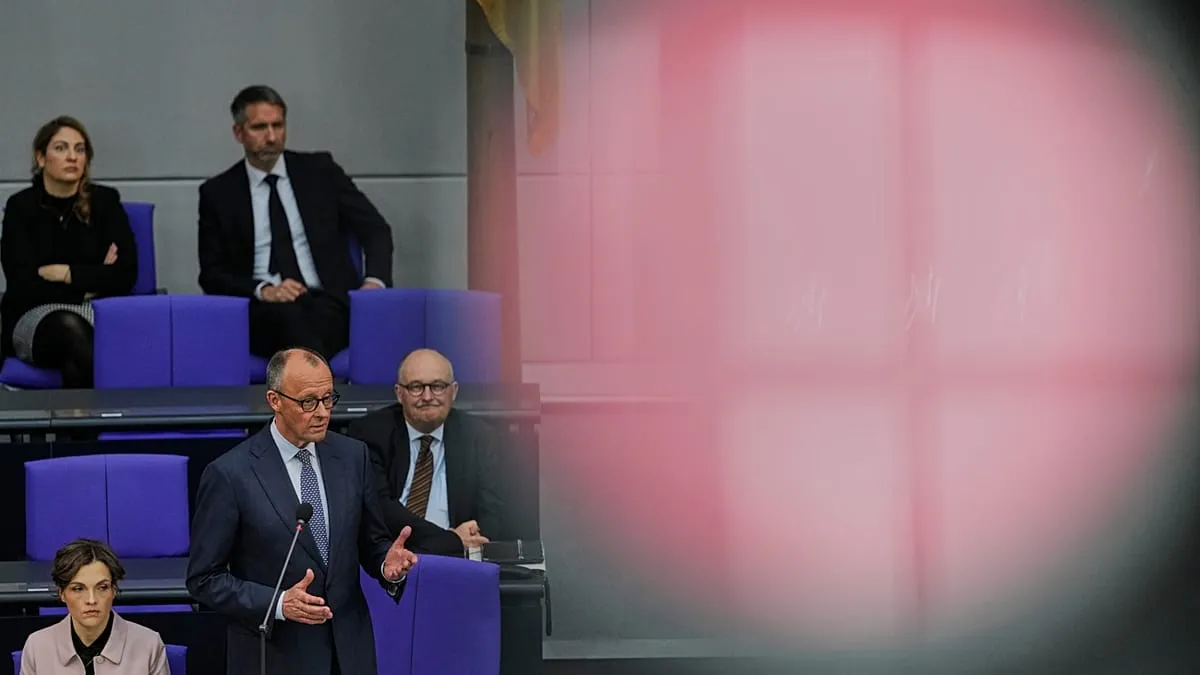
Germany has reportedly identified Russia as the likely culprit behind a series of phishing attacks targeting German politicians through Signal, the encrypted messaging app that millions of people use specifically because they think it is secure. The irony, as always, is delicious.
According to a report by Euronews, German authorities suspect Russian operatives of running a coordinated campaign to compromise Signal accounts belonging to political figures. The attacks follow a now-familiar pattern: craft a convincing fake message, trick the target into handing over access credentials, and then quietly help yourself to whatever sensitive conversations are sitting in there.
Not exactly a new hobby for Moscow
Russia has been accused of conducting cyberattacks and acts of sabotage across Europe with the kind of frequency that makes you wonder if there is a whole government department dedicated to it. Moscow, for its part, has denied every single one of these allegations - consistently, reliably, and apparently without any sense of irony.
What makes this particular campaign notable is the choice of platform. Signal has long been the gold standard of secure communications, favored by journalists, activists, lawyers, and yes, politicians who want to keep their conversations away from prying eyes. Targeting it is not just a technical operation - it is a statement. If you can make people doubt whether even Signal is safe, you create a chilling effect on secure communications broadly.
Phishing: still the oldest trick in the book
Phishing attacks, for the uninitiated, do not require breaking encryption or deploying exotic malware. They just require tricking a human being - historically, the weakest link in any security chain - into giving up their login details voluntarily. It is the digital equivalent of calling someone, pretending to be their bank, and asking them to read out their PIN.
The fact that sophisticated state-level operations still rely heavily on phishing says less about the technology and more about us, frankly.
Germany has been a frequent target of suspected Russian cyber operations in recent years, particularly as Berlin has taken a firmer stance in support of Ukraine following the 2022 invasion. Attacks on political infrastructure - whether digital or physical - have become a steady background hum of European geopolitics.
German officials have not yet publicly detailed exactly how the phishing attempts were carried out or how many politicians were successfully compromised, according to Euronews. Investigations are presumably ongoing.
In the meantime, perhaps the most useful takeaway for any politician reading this is simple: if someone on Signal is asking you to click a link or re-enter your credentials, maybe just... don't.