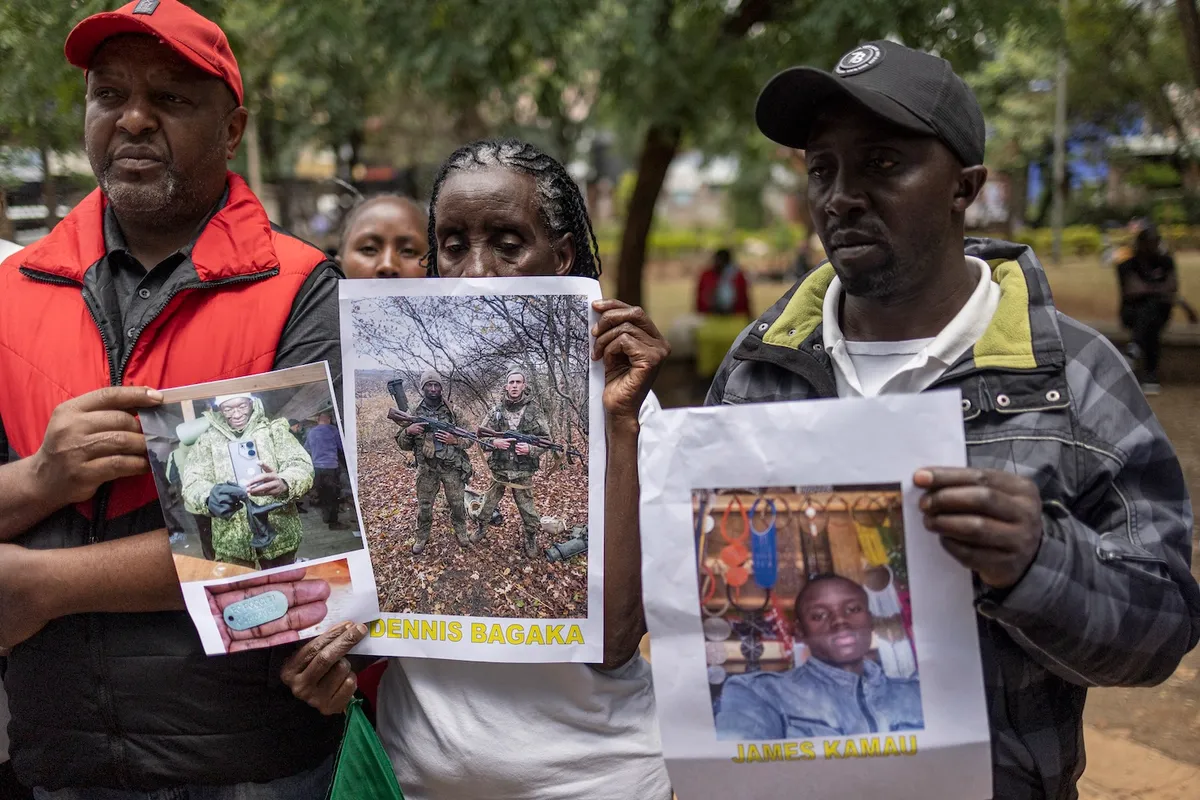
Russia has been expanding its recruitment networks across Africa, using deceptive employment schemes to draw citizens - particularly Kenyans - into military service in the Ukraine war, according to a report published by Foreign Policy.
The investigation describes a web of transnational networks operating across the continent, luring recruits with fraudulent job offers that obscure the true nature of the work awaiting them. By the time many recruits understand their situation, they are reportedly already committed to serving in Russian military operations.
How the schemes operate
According to Foreign Policy, the recruitment process typically involves intermediaries who present opportunities framed as legitimate employment abroad. The deceptive nature of these offers means that many recruits are not initially aware they are being enlisted for combat roles in an active war zone.
Kenya has emerged as a notable source of recruitment under these schemes. The report details how Kenyan nationals have been pulled into Moscow's war effort through these transnational pipelines, raising concerns among human rights observers and government officials about the exploitation of economically vulnerable individuals.
Repatriation concerns
The Foreign Policy report also addresses the issue of repatriation, suggesting that returning recruits - whether voluntarily or after being wounded or killed - has become a growing challenge. Families and advocacy groups have reportedly faced significant obstacles in securing the return of their relatives from the front lines.
The expansion of these networks reflects a broader Russian strategy of supplementing its military manpower through foreign recruitment, a trend that has drawn scrutiny from Western governments and international organizations monitoring the conflict in Ukraine.

A wider pattern
Russia's recruitment activities in Africa are not limited to Kenya. The broader pattern described in the report suggests a systematic effort to exploit economic desperation across multiple African nations, using informal networks and brokers to funnel recruits toward Russian military units.
The scale and sophistication of these operations indicate that recruitment is not opportunistic but organized, involving layers of coordination between actors on the continent and entities connected to the Russian state or its proxies.
African governments have so far offered limited public responses to the reported recruitment activities on their soil. The issue places several nations in a diplomatically sensitive position, given that many African countries have avoided taking sides in the Russia-Ukraine conflict and maintain ties with Moscow.
Foreign Policy's reporting adds to a growing body of evidence that Russia's manpower strategy has increasingly looked beyond its borders as the war in Ukraine extends into its fourth year.