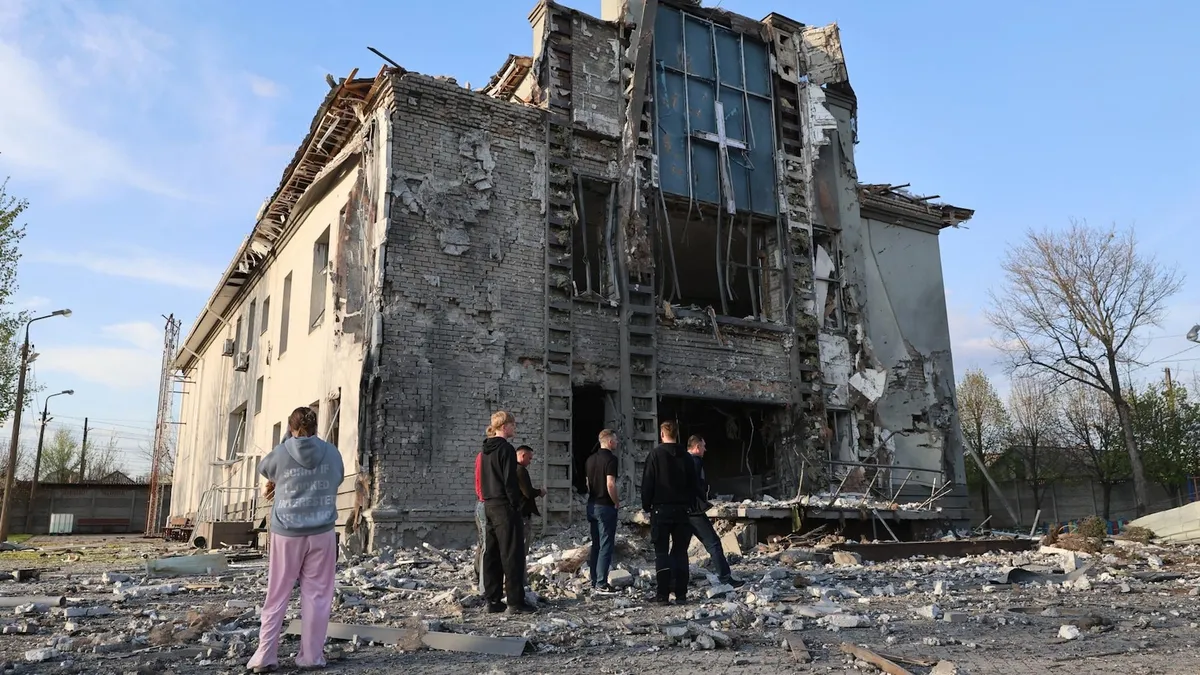
Russian forces launched a massive overnight drone attack into Ukraine, killing at least two people, while Ukrainian forces struck back by targeting a drone manufacturing facility inside Russia, according to reporting by ABC News.
The Russian assault involved 236 drones fired into Ukrainian territory during the night into Sunday, marking one of the larger single-night drone barrages of the ongoing conflict. Ukrainian air defense forces worked to intercept the incoming drones, though details on the full extent of damage and casualties were still being assessed.
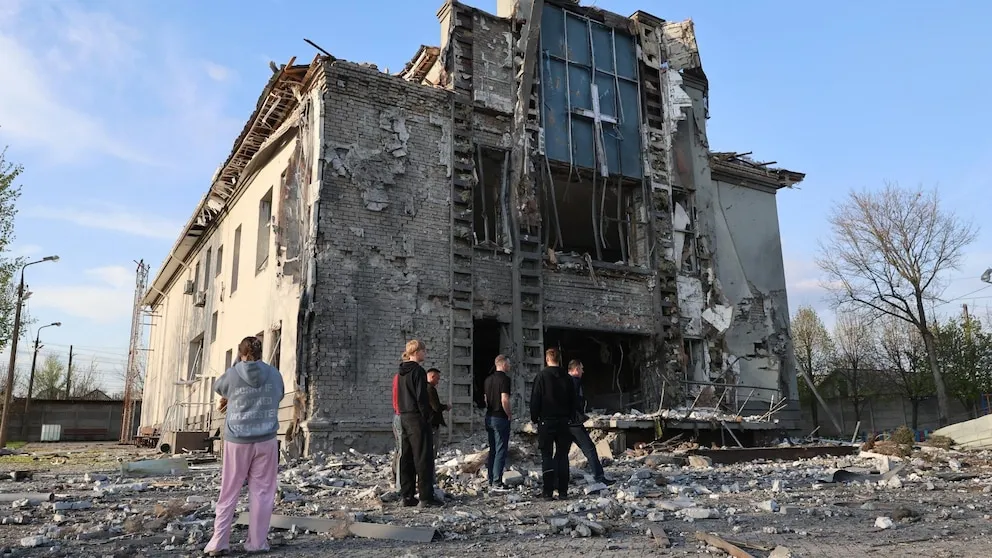
At least two people were confirmed killed in the attacks. Drone strikes of this scale have become a recurring feature of the war, with Russia regularly launching large volumes of Shahed-type drones to overwhelm Ukrainian air defenses and strike civilian infrastructure, energy systems, and military targets.
Ukraine targets drone production
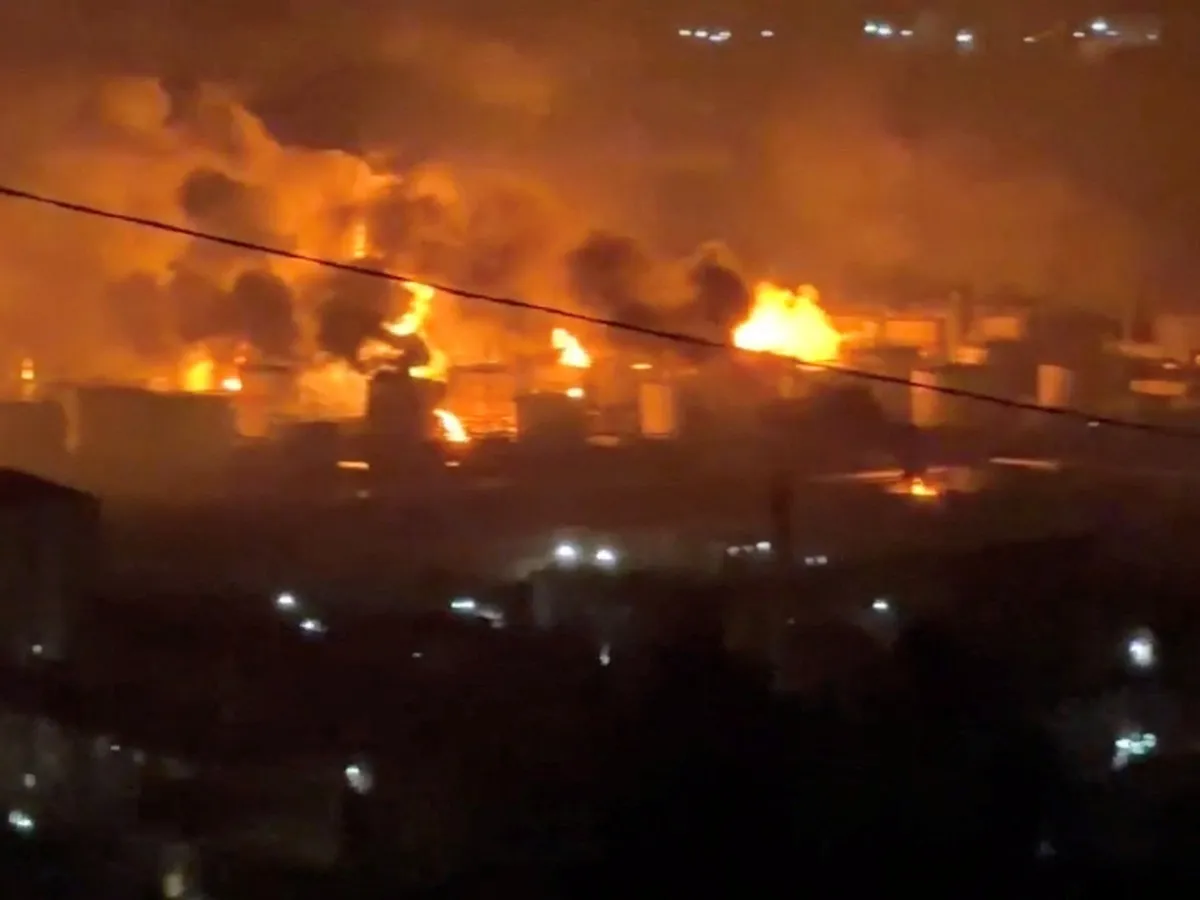
In what Ukrainian officials characterized as a retaliatory and strategic move, Ukrainian forces conducted a strike against a Russian facility involved in drone production. Targeting manufacturing capacity has become an increasingly prominent component of Ukraine's strategy, as Kyiv seeks to reduce Russia's ability to sustain its aerial campaign by disrupting the supply chain of weapons at their source.
Details on the location of the targeted factory and the extent of the damage caused by the Ukrainian strike were not immediately confirmed in full.
Ongoing aerial warfare
Drone warfare has come to define much of the day-to-day rhythm of the conflict since Russia's full-scale invasion in February 2022. Both sides have invested heavily in drone production and deployment, using unmanned aerial systems for reconnaissance, targeted strikes, and large-scale saturation attacks.
Russia's use of Iranian-designed Shahed drones in large overnight waves has put sustained pressure on Ukrainian air defenses and civilian populations. Ukraine, in turn, has developed its own long-range drone capability and has used it to strike targets deep inside Russian territory, including fuel depots, military infrastructure, and, increasingly, production facilities.
The exchange over the weekend underscores the continued intensity of the conflict and the strategic importance both sides now place on drone production and interdiction.