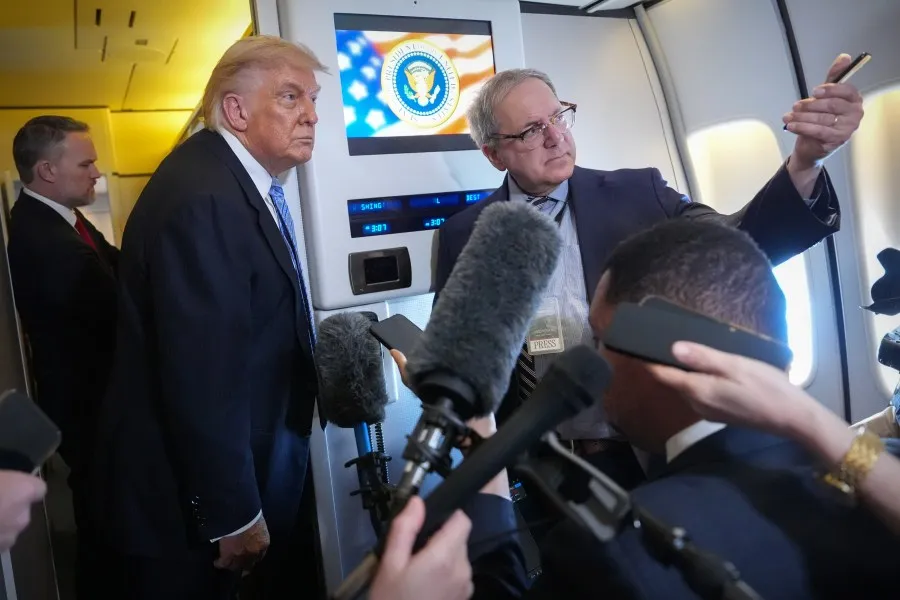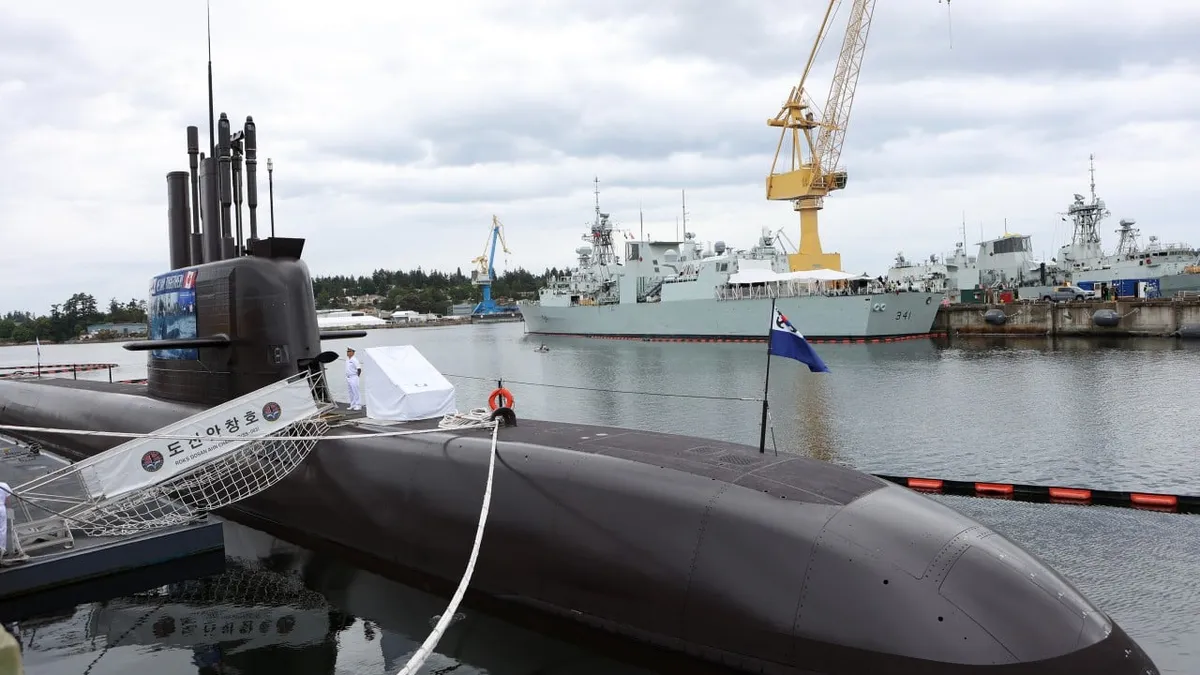
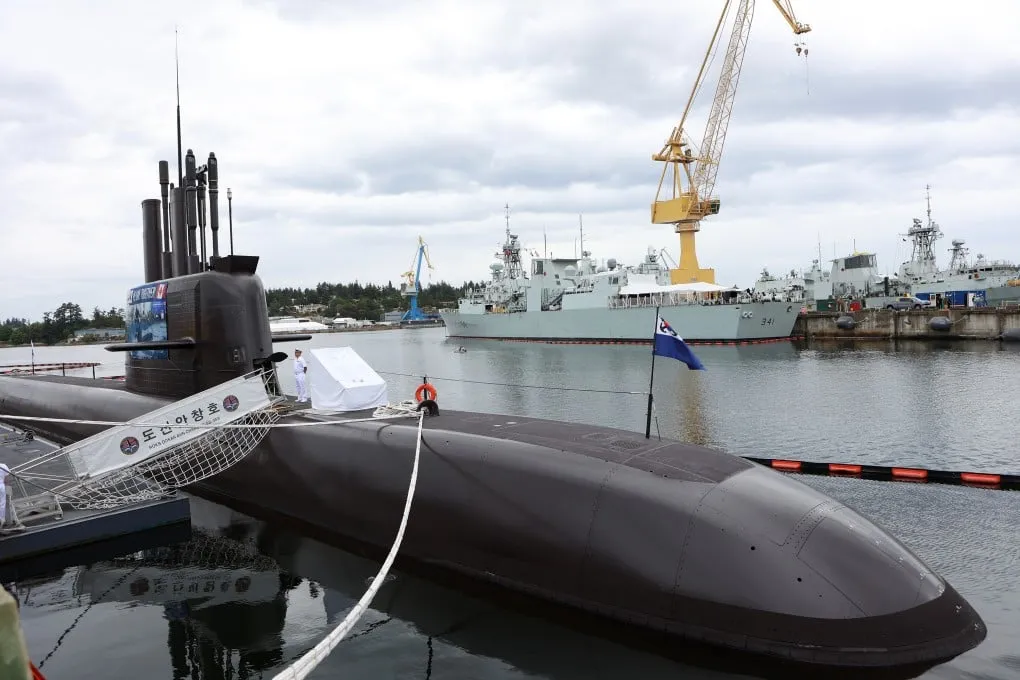
South Korea's submarine ambitions are back on the front burner - and this time, President Lee Jae Myung wants to turn up the heat. According to a report by the South China Morning Post, Lee is pushing to fast-track the acquisition of nuclear-powered submarines, calling them core strategic assets for the country's future defence capabilities.
On Tuesday, Lee urged officials to accelerate work on securing the vessels, bundling the push alongside calls for faster adoption of AI and drone technologies in the military. In other words, Seoul wants the full futuristic defence package, and it wants it by the mid-2030s.
Cool idea, complicated execution
Here's where it gets spicy. Analysts quoted by the SCMP point to at least three major headaches standing between South Korea and its underwater dreams.
- Washington hasn't exactly RSVPed. Consultations with the United States - a critical step given the alliance and nuclear technology sharing concerns - have reportedly been delayed. The US tends to be, shall we say, selective about who gets to borrow nuclear propulsion know-how.
- Nonproliferation nerves. Nuclear-powered submarines run on highly enriched uranium, which makes the international community a little twitchy. South Korea would need to navigate serious treaty obligations and global optics, neither of which are known for being easy or fast.
- The budget is not infinite. Defence spending ambitions are colliding with fiscal reality - a problem that is, regrettably, not unique to South Korea.
Why does Seoul want these subs so badly?
The strategic logic isn't hard to follow. Nuclear-powered submarines - not to be confused with nuclear-armed submarines - can stay submerged far longer than conventional diesel-electric ones, making them significantly harder to detect and track. In a region where North Korea regularly tests ballistic missiles and China is rapidly expanding its naval presence, the appeal of a stealthy, long-endurance underwater deterrent is pretty obvious.
South Korea already operates a capable conventional submarine fleet, but nuclear propulsion would represent a generational leap in capability - the kind that changes how neighbours do their threat calculations.
Mid-2030s: optimistic or delusional?
Analysts are being polite but cautious. The timeline is aggressive given the diplomatic groundwork that still needs to happen, and "mid-2030s" has a way of quietly becoming "late-2030s" when procurement, treaties, and budget committees get involved.
Still, the political will at the top is clearly there. Whether the bureaucratic, diplomatic, and financial machinery can keep up with President Lee's enthusiasm is the real question - and one that several very interested parties in Pyongyang, Beijing, and Washington are no doubt watching closely.