As the United States government intensifies its deportation efforts, a growing number of American citizens married to undocumented immigrants are confronting a stark choice: remain in the country alone or follow their partners abroad to nations they may have never lived in.
The BBC has reported on the experiences of U.S. citizens who have relocated thousands of miles to stay with deported spouses, illustrating the human consequences of tightened immigration enforcement. One case highlighted involves a spouse who moved 1,500 miles to remain with a partner who was removed from the country.

The choice families face
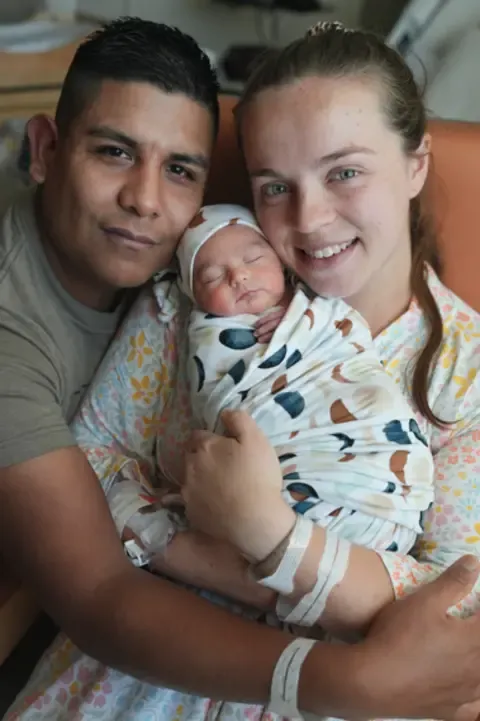
American citizens cannot be deported, but their undocumented spouses can be. When removal orders are carried out, these mixed-status couples - where one partner holds citizenship and the other does not - are left to make decisions with significant legal, financial, and personal consequences.
Relocating to a spouse's country of origin can mean abandoning careers, severing ties with family, and adapting to unfamiliar languages and legal systems. Remaining in the United States, on the other hand, means indefinite family separation with no guaranteed path to reunification under current immigration law.

A broader pattern
Immigration lawyers and advocacy groups have noted that such situations are not isolated. Since the Trump administration resumed and expanded deportation operations, the number of families navigating these circumstances has increased. Legal avenues that once provided relief - such as adjustment of status applications for spouses of citizens - have become more difficult to pursue, according to immigration attorneys cited in the BBC report.
The cases also raise questions about the rights of U.S. citizen children in these families, who face similar disruptions to their education and lives if the family chooses to leave together.
Policy and legal context
Current U.S. immigration law does not automatically protect undocumented individuals from deportation simply because they are married to a citizen. While marriage to a citizen can be a pathway to legal status, the process involves extensive vetting, fees, and - in many cases where the individual entered without authorization - a requirement to leave the country before a visa can be issued, triggering multi-year bars on reentry.
The Trump administration has argued that strict enforcement is necessary to uphold the rule of law and address illegal immigration at scale. Critics, including civil liberties organizations, contend that enforcement actions are separating families with deep roots in American communities.
The BBC's reporting underscores that for the spouses left behind or compelled to leave, the consequences of national immigration policy are immediate and personal.